As a supplier of carrier tape materials, I've witnessed firsthand the crucial role these materials play in the electronics industry. Carrier tapes are used to package and transport electronic components safely, ensuring they reach their destination in perfect condition. However, like all materials, carrier tapes are subject to aging, which can affect their performance and reliability. In this blog post, I'll explore the aging properties of carrier tape materials, including what causes aging, how it impacts performance, and how to mitigate its effects.


What Causes Aging in Carrier Tape Materials?
Aging in carrier tape materials can be caused by a variety of factors, both internal and external. Internal factors include the chemical composition of the material, its molecular structure, and the presence of additives or impurities. External factors include environmental conditions such as temperature, humidity, light, and exposure to chemicals or other contaminants.
One of the primary causes of aging in carrier tape materials is oxidation. Oxidation occurs when the material reacts with oxygen in the air, leading to the formation of free radicals. These free radicals can break down the material's molecular structure, causing it to become brittle, discolored, and less flexible. Oxidation can be accelerated by high temperatures, exposure to light, and the presence of certain chemicals or metals.
Another common cause of aging in carrier tape materials is hydrolysis. Hydrolysis occurs when the material reacts with water, leading to the breakdown of its chemical bonds. This can cause the material to become weak, lose its shape, and develop cracks or other defects. Hydrolysis can be accelerated by high humidity, exposure to water or moisture, and the presence of certain chemicals or salts.
In addition to oxidation and hydrolysis, carrier tape materials can also be affected by other forms of aging, such as thermal aging, photoaging, and mechanical aging. Thermal aging occurs when the material is exposed to high temperatures for extended periods of time, causing it to become brittle and lose its strength. Photoaging occurs when the material is exposed to light, particularly ultraviolet (UV) light, which can cause it to become discolored, brittle, and less flexible. Mechanical aging occurs when the material is subjected to repeated stress or strain, causing it to develop cracks or other defects.
How Does Aging Impact the Performance of Carrier Tape Materials?
Aging can have a significant impact on the performance of carrier tape materials, affecting their strength, flexibility, adhesion, and other properties. As carrier tapes age, they may become brittle and prone to cracking, which can cause them to break during handling or transportation. This can lead to damage to the electronic components they are carrying, resulting in costly downtime and repairs.
Aging can also affect the adhesion of carrier tapes to the reels or other packaging materials. As the tape ages, its adhesive properties may deteriorate, causing it to peel away from the reel or other surface. This can lead to problems with feeding and handling the tape, as well as issues with the alignment and positioning of the electronic components.
In addition to these mechanical properties, aging can also affect the electrical properties of carrier tape materials. As the tape ages, its electrical conductivity may change, which can affect the performance of the electronic components it is carrying. This can lead to issues with signal transmission, electromagnetic interference (EMI), and other electrical problems.
How to Mitigate the Effects of Aging in Carrier Tape Materials?
While aging is an inevitable process, there are several steps that can be taken to mitigate its effects and extend the lifespan of carrier tape materials. One of the most effective ways to prevent aging is to store the tapes in a cool, dry place away from direct sunlight and other sources of heat and light. This can help to slow down the oxidation and hydrolysis processes, reducing the risk of damage to the tape.
Another important step is to use high-quality carrier tape materials that are designed to resist aging. Look for tapes that are made from materials that are resistant to oxidation, hydrolysis, and other forms of aging, such as polycarbonate (PC) or polyethylene terephthalate (PET). These materials are known for their durability, strength, and resistance to environmental factors, making them ideal for use in carrier tapes.
In addition to using high-quality materials, it's also important to follow proper handling and storage procedures when working with carrier tapes. Avoid exposing the tapes to excessive heat, humidity, or other environmental factors, and handle them gently to prevent damage. When storing the tapes, make sure they are properly labeled and organized, and use them in a first-in, first-out (FIFO) manner to ensure that the oldest tapes are used first.
Finally, it's important to regularly inspect carrier tapes for signs of aging or damage. Look for cracks, discoloration, peeling, or other defects, and replace any tapes that show signs of wear or damage. By regularly inspecting and replacing the tapes, you can help to ensure that they are in good condition and performing at their best.
Conclusion
In conclusion, aging is a natural process that can have a significant impact on the performance and reliability of carrier tape materials. However, by understanding the causes of aging, how it impacts performance, and how to mitigate its effects, you can take steps to extend the lifespan of your carrier tapes and ensure that they are in good condition and performing at their best.
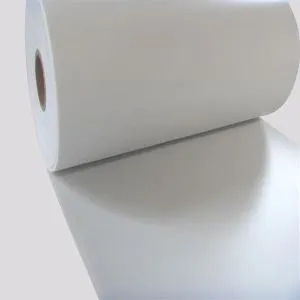
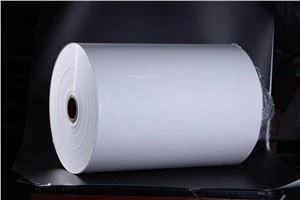
As a supplier of carrier tape materials, I'm committed to providing high-quality products that are designed to resist aging and other forms of damage. Our PC Carrier Tape and Carrier Tape And Reel are made from the highest quality materials and are designed to meet the strictest industry standards. If you're looking for a reliable supplier of carrier tape materials, I encourage you to contact us to learn more about our products and services.
References
- "Plastic Materials and Their Properties" by John A. Brydson
- "Polymer Aging and Degradation" by A. L. Andrady and S. Halley
- "Handbook of Plastics, Elastomers, and Composites" by Charles A. Harper