Aging resistance is a crucial factor when it comes to evaluating the quality and performance of plastic sheets, especially for applications where long - term use is expected. As a supplier of PP Insulating Plastic Sheet, I've had my fair share of experiences and knowledge about this topic. So, let's dig into what the aging resistance of PP Insulating Plastic Sheet really means.
What is PP Insulating Plastic Sheet?
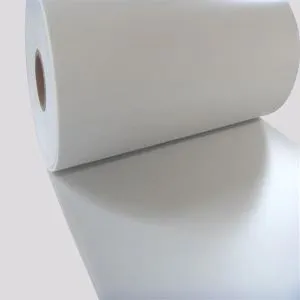
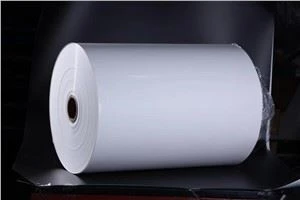
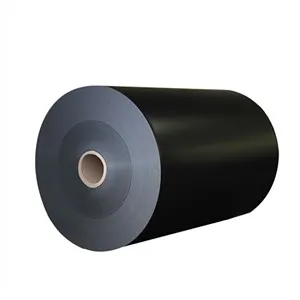
Before we talk about aging resistance, we need to understand what a PP Insulating Plastic Sheet is. PP stands for polypropylene, a type of thermoplastic polymer known for its high melting point, chemical resistance, and relatively low density. Our PP Insulating Plastic Sheet is designed specifically to provide excellent insulation properties. It can be used in a variety of applications, such as in electrical insulation, building insulation, and even in some packaging where temperature control is needed.
Why Aging Resistance Matters
In the real - world, plastic sheets are exposed to a variety of environmental factors. These factors can cause the material to degrade over time, leading to a loss of its original properties. For example, if the insulation properties of a PP Insulating Plastic Sheet deteriorate, it can affect the performance of the electrical equipment it's used in or the energy - efficiency of a building. So, aging resistance is all about how well the plastic sheet can maintain its properties under different environmental conditions over an extended period.
Factors Affecting the Aging Resistance of PP Insulating Plastic Sheet
1. UV Radiation
Sunlight contains ultraviolet (UV) radiation, which can be extremely harmful to plastics. When PP Insulating Plastic Sheet is exposed to UV rays, the polymer chains in the plastic can break down. This leads to a change in the physical and chemical properties of the sheet, like discoloration, embrittlement, and a reduction in mechanical strength. To enhance the aging resistance against UV radiation, we often add UV stabilizers to the plastic during the manufacturing process. These stabilizers absorb or reflect the UV rays, preventing them from causing damage to the polymer chains.
2. Temperature
Temperature fluctuations can also have a significant impact on the aging of PP Insulating Plastic Sheet. High temperatures can accelerate the chemical reactions within the plastic, causing the polymer chains to break down more quickly. On the other hand, low temperatures can make the plastic more brittle. Our PP Insulating Plastic Sheet is engineered to withstand a wide range of temperatures. However, continuous exposure to extreme temperatures can still affect its long - term performance.
3. Chemical Exposure
PP is generally known for its good chemical resistance. But when our PP Insulating Plastic Sheet comes into contact with certain chemicals, it can still experience aging effects. For instance, strong acids, bases, or some organic solvents can react with the plastic, causing it to swell, dissolve, or lose its mechanical properties. It's important to know the chemical environment where the sheet will be used and choose the appropriate grade of PP Insulating Plastic Sheet.
How We Test the Aging Resistance of Our PP Insulating Plastic Sheet
As a supplier, we take the aging resistance of our products very seriously. We conduct a series of tests to ensure that our PP Insulating Plastic Sheet meets the highest standards.
Accelerated Aging Tests
One of the common methods is accelerated aging tests. In these tests, we expose the plastic sheets to harsher environmental conditions than they would normally experience. For example, we can expose the sheets to high - intensity UV light for a certain period, or we might subject them to extreme temperatures and humidity. By doing this, we can simulate years of real - world exposure in a relatively short time. After the accelerated aging tests, we check the physical and mechanical properties of the sheets, such as their insulation resistance, tensile strength, and flexibility.
Real - World Field Tests
In addition to accelerated aging tests, we also perform real - world field tests. We install our PP Insulating Plastic Sheet in different environments where they will actually be used, like in industrial facilities, buildings, or electrical equipment. We then monitor the performance of the sheets over a long period, sometimes for several years. This gives us valuable data on how the sheets age under actual conditions.
Comparing with Other Plastic Sheets
When it comes to aging resistance, our PP Insulating Plastic Sheet has its own advantages compared to other plastic sheets, such as the PP Disspative Plastic Sheet and PP Anti - Static Plastic Sheet.
The PP Disspative Plastic Sheet is designed to dissipate static electricity. While it has good performance in its specific function, in terms of pure insulation and some aspects of aging resistance, our PP Insulating Plastic Sheet is more suitable for long - term insulation applications.
The PP Anti - Static Plastic Sheet is mainly focused on preventing static buildup. Similar to the dissipative sheet, when the emphasis is on insulation and long - term performance in different environmental conditions, our PP Insulating Plastic Sheet stands out.
Enhancing the Aging Resistance of PP Insulating Plastic Sheet
We're constantly working on improving the aging resistance of our PP Insulating Plastic Sheet. Here are some of the ways we do it:
Additives
As I mentioned earlier, we use various additives in the manufacturing process. UV stabilizers are one of them. We also use antioxidants to prevent the oxidation of the polymer chains, which can be a major cause of aging. These additives help to extend the lifespan of the plastic sheet and maintain its properties over time.
Manufacturing Process Optimization
We're always looking for ways to optimize our manufacturing process. By controlling the temperature, pressure, and other parameters during the extrusion or molding process, we can produce a more uniform and high - quality plastic sheet. A well - manufactured sheet is generally more resistant to aging.


Conclusion and Call to Action
In conclusion, the aging resistance of PP Insulating Plastic Sheet is a complex but important topic. It's affected by many factors, including UV radiation, temperature, and chemical exposure. As a supplier, we take every step to ensure that our PP Insulating Plastic Sheet has excellent aging resistance through testing and continuous improvement.
If you're in the market for high - quality PP Insulating Plastic Sheet with good aging resistance, we'd love to have a chat with you. Whether you need it for electrical insulation, building insulation, or other applications, we can provide you with the right product. Contact us to start a procurement discussion and find out how our products can meet your needs.
References
- "Polypropylene: Structure, Blends and Composites" by A. J. Lesser and A. J. Peacock.
- "Plastic Materials" by John A. Brydson.