What is the anti - static performance of PP anti - static plastic sheets in low - temperature environments?
As a trusted supplier of PP anti - static plastic sheets, I've received numerous inquiries about the anti - static performance of our products, especially in low - temperature environments. In this blog post, I will delve into this topic to provide you with a comprehensive understanding.
1. Understanding PP Anti - Static Plastic Sheets
PP, or polypropylene, is a thermoplastic polymer known for its excellent chemical resistance, high stiffness, and good processability. Anti - static PP plastic sheets are specially engineered to prevent the build - up of static electricity. Static electricity can be a major problem in many industries as it can attract dust and debris, cause damage to electronic components, and even lead to electrostatic discharges (ESD) that may pose a safety hazard.
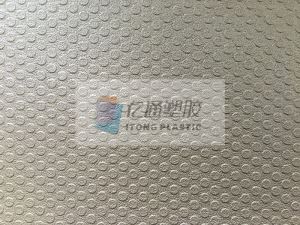
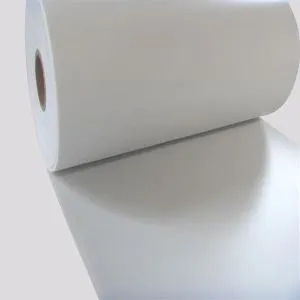
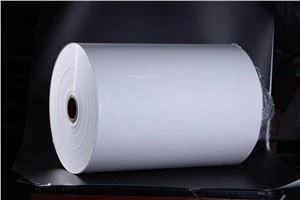
Our company offers a wide range of PP anti - static plastic sheets, including PP Sheet For Blister Trays, PP Flame Retardant Plastic Sheet, and PP Transparent Plastic Sheet. These sheets are used in various applications such as packaging for electronic products, cleanrooms, and automotive interiors.
2. Factors Affecting Anti - Static Performance
The anti - static performance of PP anti - static plastic sheets is influenced by several factors, including the type of anti - static agent used, the processing conditions, and the environmental factors such as temperature and humidity. In low - temperature environments, these factors can have a more significant impact.
- Type of Anti - Static Agent: There are two main types of anti - static agents used in PP plastic sheets: external and internal. External anti - static agents are applied on the surface of the plastic sheet, while internal anti - static agents are incorporated during the manufacturing process. The performance of these agents can be affected by temperature. For example, some external anti - static agents may become less effective at low temperatures due to reduced mobility on the surface.
- Processing Conditions: The way the PP anti - static plastic sheets are processed also affects their anti - static performance. If the processing temperature is too low, the anti - static agent may not be uniformly distributed in the plastic matrix, leading to inconsistent anti - static properties.
- Environmental Factors: Temperature and humidity play a crucial role in the anti - static performance of plastic sheets. In low - temperature environments, the air is usually drier, which can increase the build - up of static electricity. Moreover, the lower temperature can slow down the movement of ions in the anti - static agent, reducing its effectiveness.
3. Testing the Anti - Static Performance in Low - Temperature Environments
To evaluate the anti - static performance of our PP anti - static plastic sheets in low - temperature environments, we conduct a series of tests. These tests are designed to simulate real - world conditions and measure the surface resistivity of the plastic sheets at different temperatures.


-
Surface Resistivity Measurement: Surface resistivity is a key parameter for evaluating the anti - static performance of a material. We use a surface resistivity meter to measure the resistance of the PP anti - static plastic sheets at temperatures ranging from - 20°C to 20°C. The results show that as the temperature decreases, the surface resistivity of the plastic sheets generally increases. However, the extent of the increase depends on the type of anti - static agent and the formulation of the plastic sheet.
-
Static Decay Testing: Static decay testing is another important test to measure how quickly a static charge is dissipated from the surface of the plastic sheet. We use a static decay tester to measure the time it takes for the static charge on the surface of the plastic sheet to decay from an initial voltage to a lower voltage at different temperatures. The results indicate that at low temperatures, the static decay time is longer, which means that the anti - static performance is reduced.
4. Improving Anti - Static Performance in Low - Temperature Environments
Based on our research and testing, we have developed several methods to improve the anti - static performance of our PP anti - static plastic sheets in low - temperature environments.
- Optimizing the Anti - Static Agent: We have selected anti - static agents that are more effective at low temperatures. These agents have better mobility and ion - conducting properties even in cold environments, which helps to maintain a lower surface resistivity.
- Adjusting the Processing Parameters: By adjusting the processing temperature and other parameters during the manufacturing process, we can ensure that the anti - static agent is uniformly distributed in the plastic matrix. This helps to improve the overall anti - static performance of the plastic sheet, especially in low - temperature conditions.
- Adding Humidity - Controlling Agents: Since low humidity in cold environments can contribute to static build - up, we can add humidity - controlling agents to the plastic sheet. These agents help to maintain a certain level of moisture on the surface of the plastic sheet, which can enhance the anti - static performance.
5. Applications in Low - Temperature Environments
Our PP anti - static plastic sheets have a wide range of applications in low - temperature environments. In the electronics industry, they are used for packaging electronic components that need to be stored or transported in cold warehouses or cold chain logistics. The anti - static properties of the sheets protect the sensitive electronic components from damage caused by static electricity.
In the cleanroom industry, our plastic sheets are used to construct partitions and equipment enclosures. In low - temperature cleanrooms, such as those used for semiconductor manufacturing, the anti - static performance of the plastic sheets is crucial to prevent dust and particle contamination.
6. Conclusion and Call to Action
In conclusion, the anti - static performance of PP anti - static plastic sheets in low - temperature environments is affected by various factors, but through proper formulation and processing, we can improve their performance. Our company is committed to providing high - quality PP anti - static plastic sheets that meet the needs of our customers in different industries, especially in low - temperature applications.
If you are interested in our PP anti - static plastic sheets and want to discuss your specific requirements, whether it's for PP Sheet For Blister Trays, PP Flame Retardant Plastic Sheet, or PP Transparent Plastic Sheet, please don't hesitate to contact us for a detailed discussion and negotiation. We look forward to working with you to provide the best solutions for your anti - static needs.
References
- ASTM D257 - 14, Standard Test Methods for DC Resistance or Conductance of Insulating Materials.
- ISO 6134 - 1980, Plastics - Polypropylene (PP) molding and extrusion materials - Designation.
- Mezger, T. G. (2006). The Rheology Handbook: For Users of Rotational and Oscillatory Rheometers. Vincentz Network.