

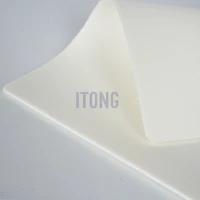
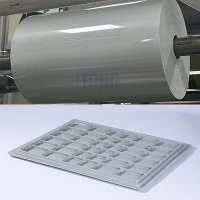
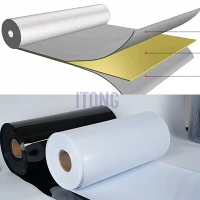

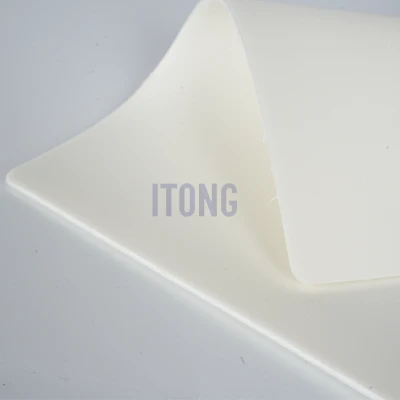
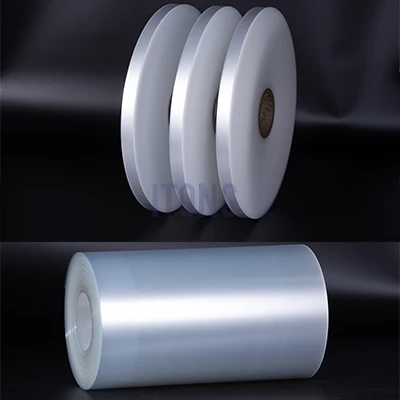
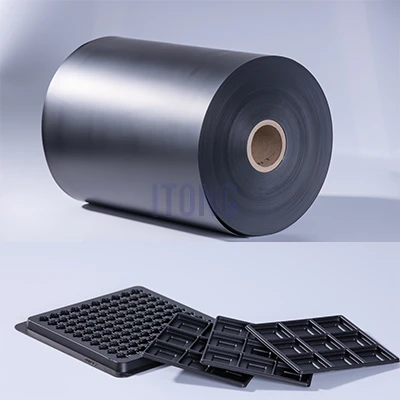
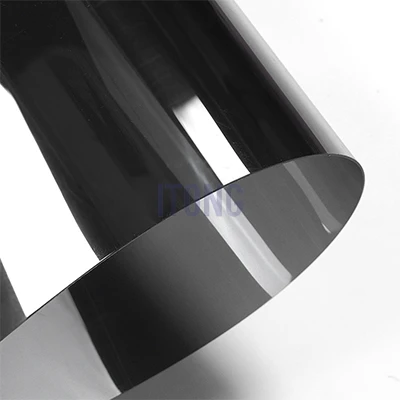
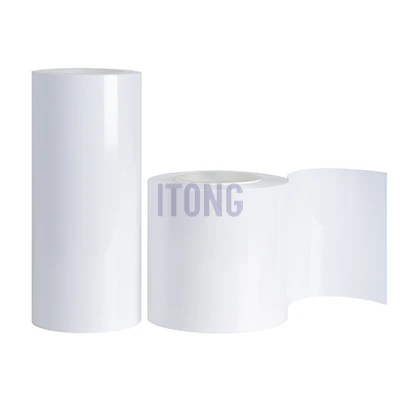
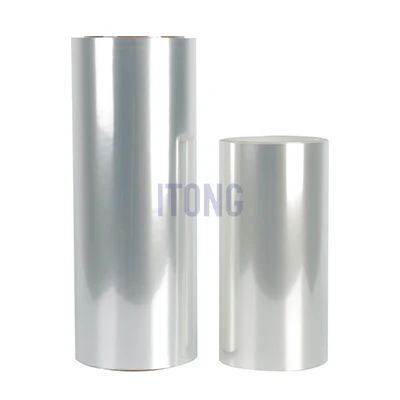
Thermoforming Plastic Sheet
Why Choose Us?
Rich Experience
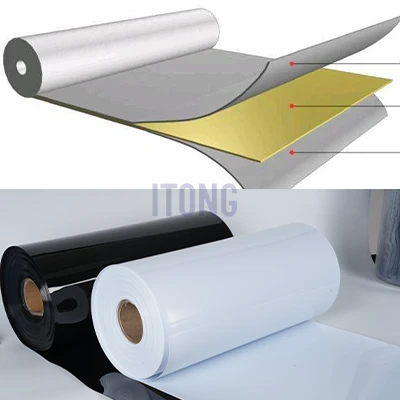
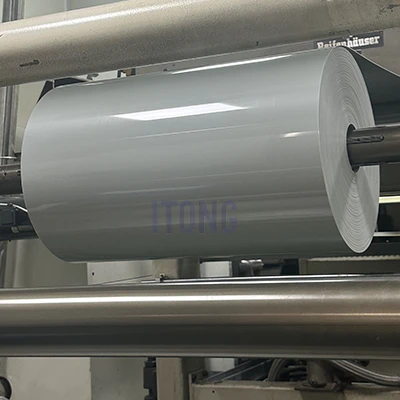
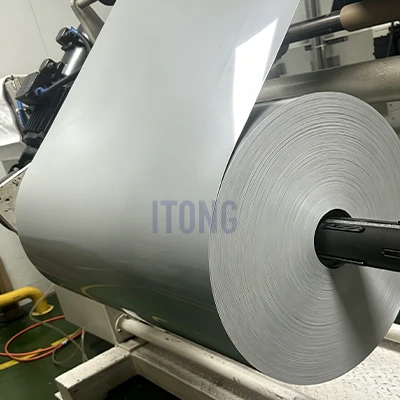
Established in 2002, Zhejiang Itong New Material Technology co.,ltd is China Hi-tech enterprise which produce plastic sheet with conductive and antistatic property for carrier tape and tray.
Wide Product Range
The diversified produce inculding PS, ABS, PC, PP, TPV and etc. offering customers innovative solutions and ideas.
Covers a Wide Area
Company covers an area of 16,650 square meters, production workshop building area of 25,000square meters.
Professional Technical Team
More than 100 well trained and skilful operators ,15 engineers and technicians.
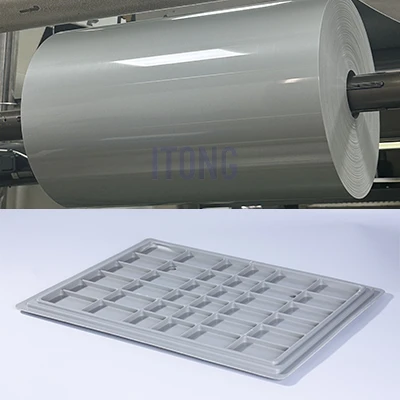
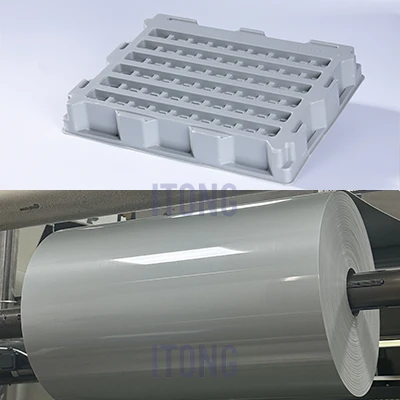
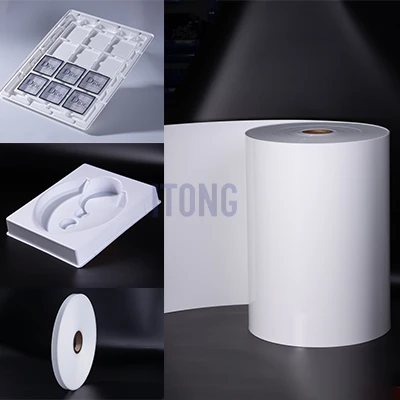
Thermoform plastic sheets are a type of plastic sheet that can be molded into various shapes using heat and pressure. This manufacturing process involves heating a plastic sheet until it becomes pliable, then using a mold or forming tool to shape it into the desired shape. Once cooled, the plastic retains its new shape and can be used for a wide range of applications.
Advantages of Thermoforming Plastic Sheet
The surface is smooth and the texture is very good
If the smoothness and smoothness of the thermoforming plastic sheet is good, it can bring a better visual experience and impression to customers. Compared with other materials, cardboard is prone to dust and slag, and is not easy to clean. Wooden boards are prone to corrosion and moth-eaten.
Strong toughness, not easy to break
Thermoforming plastic sheets have good compression and bending properties, and are not easy to deform. Don't worry about these problems when using it, you can use it with confidence.
Lightweight
Compared to other materials, thermoforming plastic sheet is a very light sheet that can be used as knife cards, boxes, etc. It is very light, flexible, portable, safe and reliable.
Waterproof
Plastic has good physical properties, has anti-seepage and anti-leakage functions, and can well block the penetration and erosion of rainwater and sunlight. It is very practical to use it as a partition or baffle.
Green and environmental protection
It is a non-toxic and tasteless food-grade raw material. It is very drop and abrasion resistant and can be recycled.
Long service life
The service life of the thermoforming plastic sheet is 40 times longer than that of ordinary paper materials, with good aging resistance, impact resistance and pressure resistance, and the shelf life is very long.
Recyclable
Thermoforming plastic sheets can be recycled, and after recycling, they can be further processed into other plastic products with high utilization rate.
Material of Thermoforming Plastic Sheet
ABS (Acrylonitrile butadiene styrene)
ABS (Acrylonitrile butadiene styrene) (Thick + Thin) is a low cost and versatile plastic. It offers toughness without heaviness and is used in various consumer products, from toys to machine housings.
Acrylic
Acrylic or (polymethyl methacrylate) (PMMA) (Thick) is a material that many are familiar with – think of brand names such as Lucite, Perspex, and Plexiglas. The range of uses for this transparent plastic work for various industries that need transparency and strength. It is optically clear and resistant to weather and abrasion. With its similarity to glass, acrylic is used in everything from instrument panels and aircraft windows to safety shields, outdoor furniture, helmet visors, windshields, and retail displays.
HIPS (High Impact Polystyrene)
HIPS (High Impact Polystyrene) (Thick + Thin) is easy to thermoform, easy to mold and fabricate, and is available at a less expensive cost than some other options. Tough and printable, it’s popular for retail countertop displays, picture frames, food containers, and even shower walls. It can also be machined and assembled easily, using mechanical fasteners, adhesives, or solvents.
Kydex
Kydex (Thick + Thin) is a thermoplastic that can be customized for appearance while staying extremely tough – airplane interiors would be a great example of its use. At Global, we produce medical devices and other pieces that require special textures and customized colors. The versatility of Kydex creates aesthetically, pleasing and durable products.
Nylon
Although Nylon’s (Thick) associated with the fibers used in fabrics and other materials, it is also used for mechanical parts. In thicker gauges, this material is utilized in the automotive industry for machine screws, gears, and gaskets formerly made of metal. Nylon is also used in combination with other materials, such as carbon and glass fibers, to make heat-resistant automotive components.
PC (Polycarbonate)
PC (Polycarbonate) (Thick + Thin) plastics are known under several trademarked names such as Lexan and arcoPlus. This transparent material impacts resistance, optical clarity, and stiffness and is easy to fabricate and machine. As you might expect, it’s a versatile material that’s utilized in many industries.
PE (Polyethylene)
PE (Polyethylene) (Thick + Thin) plastics are a group of materials that vary in density – allowing for a huge range of uses in thermoformed products. Moisture-resistant and non-reactive to many chemicals, you’ll see it in everything from clear plastic bags to medical and defense industry components.
PEI (Polyetherimide Ultem)
PEI (Polyetherimide Ultem) (Thick) is another thermoplastic that offers high heat resistance and strength. As you might expect, they are often used to manufacture components such as microwave parts and under-the-hood automotive items.
PETG (Polyethylene Terephthalate Glycol)
PETG (Polyethylene Terephthalate Glycol) (Thick + Thin) is a transparent plastic sheet forming material with a lower forming temperature. It’s easy to vacuum and pressure form and offers chemical resistance. However, it’s less UV-resistant than some other plastics. It’s useful for structural automotive parts, hand tools, and interior signage.
Application of Thermoforming Plastic Sheet

Aerospace
Military
Transportation
Construction
Signage
Manufacturing
Packaging
Stages of Thermoforming
The stages of thermoforming are mainly four
Heating the sheet
The first phase in the thermoforming process is to put the sheet at an optimal temperature to be moldable. To do this, once it is unwinded it goes through a heating station where heat is applied to get the sheet to reach the softening temperature.
01
Thermoforming
When the sheet has reached its working temperature needed once soft, it passes to the thermoforming station. Here, using the different methods described above, the sheet is given the desired shape with the help of the mold.
02
Cooling
Once the part is thermoformed, it begins to cool in the mold. This cooling can be done with fans, to speed up the process, or without them. It is necessary to lower the temperature enough to unmold the piece without deforming it.
03
Cutting or die-cutting
The last station is the cutting or die-cutting of the piece. As thermoforming is a continuous process, the finished pieces are joined together. Therefore, it is necessary to go through a cutting process which divides the pieces into individual containers.
04
Various Thermoforming Methods for Thermoformed Plastic Sheets
Vacuum Forming
During vacuum-forming, the heated plastic is stretched over a mold, and a vacuum removes the air forcing the plastic into the mold. This process is a fast and cost-effective approach to thermoforming and is often used when cost consciousness is high.
Pressure Forming
With this method, the heated sheets of plastic are pressed into shape around the mold. Because there is more direct pressure, the radii of the corners can be smaller, creating a sharper look for the edges of products, and is ideal for products with tight tolerances.
Twin Sheet Forming
This thermoforming method uses two sheets of plastics that are pressure-welded together to create the desired shape. Twin sheet forming is used in products that are hollow or double-walled.
Matched Mold Forming
Matched mold forming uses a male and female fold that come together to create a specific shape out of the plastic. Because two molds are used, the cost is higher than other options on this list, but the detail and specificity increase.
Thermoforming plastic sheet offer many advantages over traditional materials. As previously mentioned, they are 100% recyclable, meaning they can be used and reused many times without losing their performance capabilities. They are also lightweight, corrosion-resistant, and offer excellent electrical insulation properties, making them suitable for various applications across various industries.
In addition to their superior performance, using thermoforming plastic sheet allows us to reduce our carbon footprint and help combat global plastic waste. By choosing sustainable materials, we reduce our environmental impact and set an example for other companies.
Our commitment to sustainability is not just a buzzword but a core value guiding everything we do. We understand the importance of preserving the environment for future generations and believe we can make a real difference in the world by taking action now.
Using thermoforming plastic sheet in our manufacturing processes is just one of the ways we demonstrate our commitment to sustainability. By choosing eco-friendly materials, we can offer superior performance while doing our part to reduce plastic waste and protect the environment.

Why Thermoforming Plastic Sheets Are Growing in Demand
Thermoforming Plastic Sheets Replace Sheet Molding
SMC, or Sheet Molding Compounds, are sheets made of fiber-reinforced thermosetting materials that have a similar structure to semi-cured fiberglass mats. The compression molding process is used to create parts from SMC, where the heated press molds the sheets into the desired shape.
Thermoforming Plastic Sheets Replace Laminated Materials
High-Pressure Laminates (HPL) are a popular choice in interior design as a decorative and protective surface finish. HPL is available in various colors and surface designs, and over time, different grades have been developed to enhance chemical and wear resistance. HPL is widely used for countertops, cabinets, retail displays, and furniture due to its durability and innovative features.
Thermoforming Plastic Sheets Replace Sheet Metal
For many years, formed sheet metal has been a go-to material for a wide range of products and applications due to its ease of bending, forming, punching, and welding. However, sheet metal fabrication has inherent limitations when it comes to complex geometries.

●Impact strength - How much abuse can a material take before it breaks
●Thermal conductivity - The amount of heat that can be conducted through the material.
●Coefficient of thermal expansion - The amount of expansion and contraction at a given temperature.
●Chemical resistance - Effect of chemical interaction.
● Stiffness (flexural modulus) -Rigidity of the material.
●Heat deflection - The temperature at which the material will distort.
●Hardness - Material resistance to abrasion, chipping, and cracking.
●Flammability - The extent to which a material will support combustion.
●Mold shrinkage -The amount of shrink after the plastic is removed from the mold.
●Forming range - Temperature range at which the plastic can be thermoformed.
●Tensile strength - Resistance to being pulled apart.
●Dielectric strength - Electrical insulation.
Factors to Consider When Choosing a Thermoforming Plastic Sheet
Impact Resistance
Will the plastic be subject to being bounced around or bumped or does it need to hold up to projectiles? Consider the casing of a suitcase, an impact guard around a hockey rink to protect fans, vinyl siding, or a cafeteria tray that could be dropped, slammed, or banged around - these are all formed from impact-resistant plastics to prevent breaking and denting.
Scratch Resistance
Is it necessary that your product hold up to possible scratching and abrasions to preserve both structural integrity and appearance? Windows, safety glasses, and signs are often made from plastic sheet that are resistant to abrasion or those that can be treated with a scratch-resistant coating.
Chemical Resistance
Consider if your product be exposed to aggressive chemicals, such as industrial chemicals or consistently exposed to more mild chemicals such as a cleaning product container.
Tensile Strength
Tensile strength, or how much a material can be pulled or stretched without breaking or cracking, is necessary in some applications, especially when choosing plastic in place of metal or as a fabric reinforcement.
Food Safety
Do you need thermoformed food packaging, such as a yogurt container or food storage containers? There are a variety of plastics that are deemed food safe to choose from.
Weight
One of the benefits of plastic over metal and other materials is that it's durable while also lightweight. This has improved fuel efficiency in vehicles and made medical implants more effective and comfortable for users.
Customization Capability
From adding plasticizers to improve flexibility to scratch-resistant or anti-static coatings, some thermoplastics offer a wide range of customization whereas others are limited. Knowing what you need from your plastic helps you narrow down the options.
Transparency
Do you need a transparent plastic sheet for windows, safety glasses, or product packaging? This, combined with impact resistance, scratch resistance, and other factors can steer your choice to which thermoplastic is best for your thermoforming project.
The Future of Thermoforming Plastic Sheets
The thermoforming plastic sheets industry is constantly evolving, driven by advancements in technology and changing market demands. As manufacturers strive to stay competitive in a crowded marketplace, they need to stay informed about the latest trends and innovations shaping the industry.
One notable trend in thermoforming is the increasing use of sustainable materials. With growing environmental concerns, customers are seeking eco-friendly alternatives to traditional plastics. Manufacturers are responding to this demand by exploring biodegradable and compostable materials for thermoforming applications. These materials not only reduce environmental impact but also provide excellent performance properties.
Another significant development is the integration of automation and robotics into the thermoforming process. Automation offers numerous benefits, including improved efficiency, reduced labor costs, and enhanced precision. Automated equipment can handle complex tasks such as part trimming, stacking, and packaging, increasing production output and overall profitability.
Moreover, advancements in 3D printing technology are revolutionizing the design and prototyping phase of thermoforming. With the ability to quickly produce intricate molds and prototypes, 3D printing allows manufacturers to test and refine their designs more efficiently, saving time and resources in the process.
As the industry continues to embrace these trends and innovations, thermoforming plastic sheets will become even more versatile and adaptable to a wide range of applications. By staying ahead of the curve and adopting these advancements, manufacturers can position themselves for success in the competitive landscape.
Considerations for Thermoforming Plastic Sheet: Material Selection and Design
When it comes to successful thermoforming, two crucial factors to consider are material selection and design. These elements play a significant role in the final product's quality, functionality, and cost-effectiveness.
Material selection is essential as it determines the properties and performance of the thermoformed part. Different materials offer varying levels of strength, flexibility, heat resistance, and aesthetics. Understanding your project requirements and selecting the proper material can optimize the outcome. Factors such as the desired lifespan, environmental conditions, and regulatory compliance should be considered when choosing a material.
Equally important is the design of the thermoformed part. The design should take into account both the functional and aesthetic aspects of the product. Proper design can ensure that the part meets its intended purpose, fits seamlessly into the overall assembly, and delivers the desired visual appeal.
Collaboration between designers, engineers, and thermoforming experts is crucial at this stage. They can work together to create a design that not only meets the functional requirements but also allows for efficient manufacturing and cost savings.
Finishing Options for Thermoforming Plastic Sheet
Painting
While we provide a variety of colored plastics, but painting is often used when you want a custom or metallic color or the component will be made up of several different colors.
Silk Screening
Silk screening is a type of stenciling in which ink is printed over a porous stencil. We often use this method to add logos, graphics, or text to a completed product.
Hot Stamping
Hot stamping, or foil stamping, is the process in which metal foil with dried ink design is heated and stamped against the plastic, transferring the design.
Specialty Finishes
Often, a finish does more than just improve aesthetics or add a logo. We often apply coatings, such as EMI or RF shielding to block interference from electronic devices, anti-static coatings to prevent static damage, or UV protection.
Assembly
Depending on the components or parts, we can also assemble the thermoforming plastic sheet with other parts to complete the product. This saves our clients time as we can often ship the completed, assembled part on their behalf or send it directly to their warehouse so it doesn't require any more work.
Our Factory
Established in 2002, Zhejiang Itong New Material Technology co.,ltd is China Hi-tech enterprise which produce plastic sheet with conductive and antistatic property for carrier tape and tray. To date, Yitong own the Chinese market share leader in electronic packaging material and has an wholly-owned subsidaiaries Zhejiang Imin new material technology Co,Ltd. The diversified produce inculding PS, ABS, PC, PP, TPV and etc. offering customers innovative solutions and ideas, we trust yitong is the name you can count on to handle your electronic packaging, automobile parts packaging and cosmetic packaging.

Our Certifications
ISO 9001:2015 CERTIFICATE REG NO 15/18Q6114R01
ISO 14001:2015 CERTIFICATE REG NO 15/18E0484R00
OHSAS 18001:2007 CERTIFICATE REG NO 15/18S0485R00

Ultimate FAQ Guide to Thermoforming Plastic Sheet
Q: Which plastic is best for thermoforming?
Q: What is the best plastic sheet for vacuum forming?
Q: What is the stretch ratio in thermoforming?
Q: What is the minimum thickness for thermoforming?
Q: How thick is thermoforming plastic sheet?
Q: How thick are thermoforming sheets?
Q: Which polymer is most commonly used for vacuum forming?
Q: What are the two types of thermoforming?
Q: What are the basic principles of thermoforming?
Q: What is thin gauge thermoforming?
Q: How do you measure the thickness of a plastic sheet?
Q: What is the pressure for thermoforming?
Q: What is the difference between vacuum forming and thermoforming?
Q: What is the temperature of vacuum forming?
Q: What type of plastic is used in thermoforming?
Q: How are thermoforming sheets made?
Q: What is the minimum thickness required by the plastic for vacuum forming?
Q: What material is thermoforming sheet?
Q: What plastic sheet for vacuum forming?
Q: What is the process of plastic sheet forming?