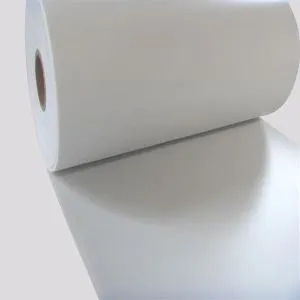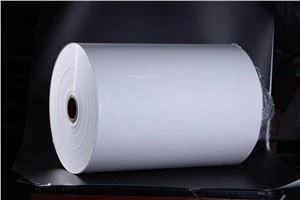
Hey there! As a sheet rubber supplier, I often get asked about the differences between soft and hard sheet rubber. It's a topic that might seem a bit technical at first, but once you get the hang of it, it's actually pretty straightforward. So, let's dive right in and explore what sets these two types of sheet rubber apart.
Physical Properties
First off, let's talk about the physical properties. Soft sheet rubber, as the name suggests, is more flexible and pliable. You can easily bend it, stretch it, and mold it into different shapes without much effort. It has a lower durometer rating, which is a measure of a material's hardness. Think of it like a sponge – it gives way when you press on it. This makes soft sheet rubber ideal for applications where you need a material that can conform to irregular surfaces or absorb shock.
On the other hand, hard sheet rubber is much stiffer and less flexible. It has a higher durometer rating, which means it's more resistant to deformation. It's like a piece of wood – it holds its shape and doesn't bend easily. Hard sheet rubber is great for applications where you need a material that can withstand high pressure, abrasion, or wear and tear.
Applications
Now, let's look at some of the common applications for each type of sheet rubber. Soft sheet rubber is widely used in the automotive industry for things like gaskets, seals, and vibration dampers. Its flexibility allows it to create a tight seal between different components, preventing leaks and reducing noise and vibration. It's also used in the medical field for things like gloves, tubing, and seals in medical devices. The softness of the rubber makes it comfortable to wear and use, while still providing a high level of protection.
Hard sheet rubber, on the other hand, is often used in industrial applications where durability and strength are key. It's used in conveyor belts, rollers, and other machinery parts that need to withstand heavy loads and constant friction. It's also used in the construction industry for things like flooring, roofing, and insulation. The hardness of the rubber makes it resistant to damage from foot traffic, weather, and other environmental factors.
Chemical Resistance
Another important factor to consider when choosing between soft and hard sheet rubber is chemical resistance. Soft sheet rubber is generally more resistant to chemicals than hard sheet rubber. This is because the softer rubber has a more open molecular structure, which allows it to absorb and disperse chemicals more easily. However, this also means that soft sheet rubber is more likely to swell or degrade when exposed to certain chemicals.


Hard sheet rubber, on the other hand, is more resistant to swelling and degradation when exposed to chemicals. This is because the harder rubber has a more closed molecular structure, which makes it less permeable to chemicals. However, hard sheet rubber may not be as effective at absorbing and dispersing chemicals as soft sheet rubber.
Cost
Finally, let's talk about cost. Soft sheet rubber is generally less expensive than hard sheet rubber. This is because it's easier to manufacture and requires less raw material. However, the cost of sheet rubber can vary depending on a number of factors, such as the type of rubber, the thickness of the sheet, and the quantity you're purchasing.
Our Products
At our company, we offer a wide range of soft and hard sheet rubber products to meet the needs of our customers. Whether you're looking for a flexible gasket for your automotive application or a durable conveyor belt for your industrial machinery, we've got you covered.
Some of our popular products include the TPV Flame Retardant Sheet, which is designed to provide excellent flame resistance and durability. We also offer the TPV Sheet for Loundspeaker, which is specifically engineered for use in loudspeakers to provide superior sound quality and performance. And if you're looking for a non-slip surface, our TPO Non-slip Sheet is the perfect solution.
Conclusion
So, there you have it – the main differences between soft and hard sheet rubber. As you can see, each type of rubber has its own unique properties and applications, so it's important to choose the right one for your specific needs. If you're still not sure which type of sheet rubber is right for you, don't hesitate to contact us. Our team of experts is always happy to help you find the perfect solution for your project.
Whether you're in the automotive, medical, industrial, or construction industry, we have the sheet rubber products you need to get the job done. So, why wait? Contact us today to learn more about our products and how we can help you with your next project. We look forward to hearing from you!
References
- ASTM International. (n.d.). Standard Test Methods for Rubber Property - Durometer Hardness. Retrieved from ASTM website.
- Rubber Manufacturers Association. (n.d.). Rubber Basics: Properties and Applications. Retrieved from RMA website.