

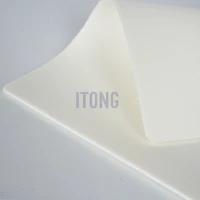
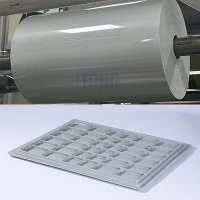
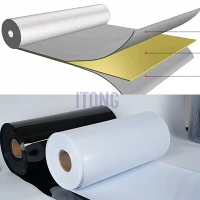
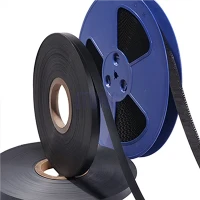
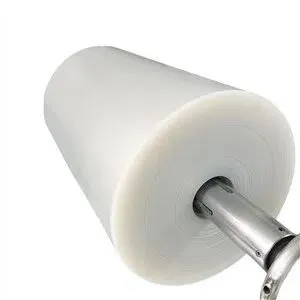
Carrier Tape raw Material





Why Choose Us?
Rich Experience
Established in 2002, Zhejiang Itong New Material Technology co.,ltd is China Hi-tech enterprise which produce plastic sheet with conductive and antistatic property for carrier tape and tray.
Covers a Wide Area
Company covers an area of 16,650 square meters, production workshop building area of 25,000square meters.
Wide Product Range
The diversified produce inculding PS, ABS, PC, PP, TPV and etc. offering customers innovative solutions and ideas.
Professional Technical Team
More than 100 well trained and skilful operators ,15 engineers and technicians.
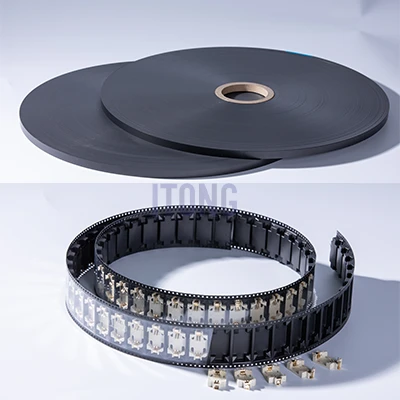
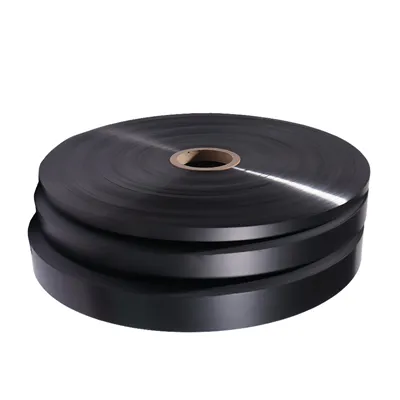
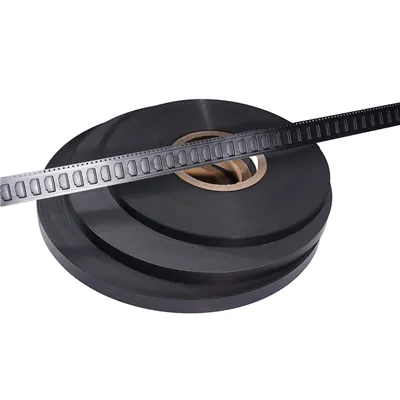
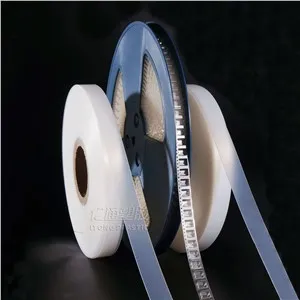
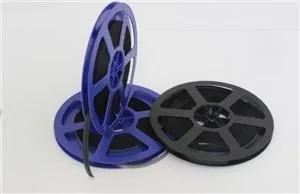
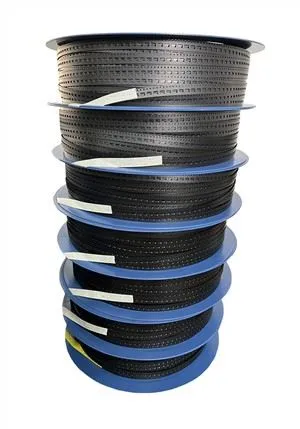
Carrier tape is a continuous strip that is typically made of plastic, such as polystyrene (PS) or polycarbonate (PC), containing pockets or cavities that safely house individual electronic components. It is sealed on top of the cover tape, which is used to secure these components in the pockets.
Advantages of Carrier Tape
Anti-static
Carrier tape has anti-static function, which can effectively discharge static electricity and avoid damage to connectors caused by static electricity.
High temperature resistance
Carrier tape can maintain its physical properties in high temperature environment without deformation or damage.
Corrosion resistance
Carrier tape can resist the corrosion of various chemical substances, thus ensuring the quality and performance of the connector.
High strength
Carrier tape has high strength and toughness, and can withstand large shocks and vibrations.
Easy to operate
The automotive connector carrier tape is easy to operate, which is convenient for workers to quickly and accurately insert or remove the connector, thereby improving production efficiency.
Low cost
The manufacturing cost of automotive connector carrier tape is relatively low, which can reduce production costs and improve the competitiveness of enterprises.
Types of Carrier Tape


Flat carrier tape
This is the most common type of carrier tape. It consists of a straight belt made of rubber or metal material, supported and driven by two or more rollers. Flat carrier belts are suitable for horizontal or inclined conveying and can convey items of various shapes and sizes, such as boxes, bags, bottles, etc. The advantages of flat carrier tape are simple structure, convenient operation, easy maintenance and low cost; the disadvantage is that the transmission capacity is limited and complex steering and lifting cannot be realized.
Curved carrier belt
This is a carrier belt that can turn and lift in both horizontal and vertical directions. It consists of multiple interconnected small plates made of rubber or metal materials, driven by special rollers or chains. Curved carrier belts are suitable for transportation where space is limited or where the direction and height need to be changed. It can transport items of various shapes and sizes, such as coal, ore, grain, etc. The advantages of curved carrier tape are strong transmission capacity, ability to adapt to complex routes, and space saving; the disadvantages are complex structure, difficult operation, and high maintenance costs.
Spiral carrier tape
This is a carrier tape that can be lifted and lowered in the vertical direction. It consists of a spiral-shaped tape made of rubber or metal material and is driven through a central axis. Spiral carrier belts are suitable for conveying where there is a large height difference or where space needs to be saved. It can convey items of various shapes and sizes, such as cans, books, clothing, etc. The advantages of the spiral carrier tape are that it occupies a small area and can realize large-scale lifting; the disadvantages are that the transmission speed is slow, the noise is loud, and it is prone to blockage.
Material of Carrier Tape
PC material
Polycarbonate, abbreviated as PC, is a colorless, transparent, unqualified thermoplastic material. Its name is derived from its internal CO3 group.
PC chemical properties: Polycarbonate is resistant to acids and oils. Polycarbonate is not resistant to ultraviolet light and is not resistant to strong alkalis.
PC physical properties: Polycarbonate colorless transparent, heat resistant, impact resistant, flame retardant, in general use temperature are good mechanical properties. With performance close to polymethyl methacrylate compared to the impact resistance of polycarbonate, high refractive index, good processing performance, without additives to have UL94 V-0 level flame retardant properties.
PC material characteristics of high mechanical strength, good transparency, dimensional stability, high glass transition temperature, good heat resistance. The disadvantage is poor wear resistance. Some polycarbonate devices used in wear-prone applications require special treatment of the surface.
PS material
Refers to Polystyrene, that is a thermoplastic synthetic resin, the largest application area is the electronics / electrical industry materials have lower mechanical strength than PC materials, but stronger adhesion with the cover tape.
PS: Belongs to the polystyrene class, commonly known as hard rubber. The Chinese name is General Purpose Polystyrene, in the plastics industry for short: PS.
Main uses: Used to make lampshades, instrument shell covers, toys, etc.
Physical characteristics: Easy to burn, leaving the open flame continues to burn, softening and blistering when burning, the flame is orange-yellow to produce a thick black smoke carbon beam, and produce a special smell of styrene monomer.

Individual electrical components are safely held in place by carrier tape in predetermined cavities or pockets. During the production process, the components are cautiously inserted into these pockets, frequently using automated pick-and-place machines. The components in the pockets are then completely enclosed by a cover tape that is heat-sealed onto the carrier tape.
The carrier tape is put into a tape feeder on an automated pick-and-place machine or surface mount device (SMT) during the assembly process. The device picks up the components through the cover tape and precisely places them onto the circuit board or substrate using a vacuum nozzle.
Following the insertion of all components, the cover tape is removed by peeling or slicing along the edges, revealing the parts so that soldering or other connection techniques can be used. Afterward, the carrier tape is either wound again or properly disposed of, depending on its kind and potential for reuse.
How to Deal with the Carrier Tape Sealing Crack
The seal is cracked
This is completely unsuitable, want to stick and stick. This kind of cracking is more obvious. At first glance, it is not suitable, it does not match, and the carrier tape can be replaced immediately. It will not cause large losses and is easier to control and avoid.
The seal is weak
The carrier tape are glued but not sticky and gently open. It is similar to the first one and can be found and replaced with a bit of care. In this case, the carrier tape are not matched, and they are not suitable. Due to the increased sealing strength or the use of higher temperatures, although there is a specific viscosity, it is generally manifested very quickly.
Strong adhesion
This seal is too strong, not easy to peel, easy to break. The sealing of the carrier tape is not a problem of solid adhesion. As long as it is suitable, the EIA specification stipulates 20g–80g. However, in use, it will be adjusted according to the sealed components. It is determined explicitly by the preferences of itself and downstream customers. To determine the viscosity of multiple assemblies, use the “Tape Stripping Tester” to select the appropriate adhesion as long as the other four conditions do not occur.
Overnight crack
This seal looks good, viscosity and strength is also appropriate, but after a day, some two to three days, there is a loose bond, also cracked. This kind of danger is dangerous. It is easy to carry out the sealing and aging test of the carrier tape if you don’t pay attention. It is recommended that the customer use the tested carrier tape.
Plum point
This cracking, is also good to start sealing, but after a bit of time, just at the bond between the carrier tape, a tiny white dot appears at the beginning, with the time of placement. The white spots continued to increase, and some white spots were connected, and there was also a crack in the seal. It is the most dangerous, and some of the carrier tapes have also undergone aging tests. However, if the performance of the carrier tape itself is unstable, the cracking of the plum blossom point will occur. It is recommended that customers seal the product and sample it before shipment, which will be safer.
Carrier tapes will be more intelligent and automated. With the development of artificial intelligence, Internet of Things, big data and other technologies, carrier tapes will be able to realize functions such as autonomous learning, self-regulation, and self-optimization, realize seamless docking and collaborative work with other devices and systems, and improve transmission efficiency and quality.
The carrier tape will be more environmentally friendly and energy-saving. As awareness of environmental protection and energy conservation increases, carrier tapes will adopt more environmentally friendly and energy-saving materials and designs to reduce pollutant emissions and energy consumption and achieve green and sustainable development.
Carrier tapes will be more diverse and personalized,with the diversification and personalization of user needs and market competition, carrier tape will provide more diversified and personalized products and services according to different occasions and needs to meet the differentiated needs of users.
The above are some predictions about the future development trend of carrier tapes. As an important transmission equipment, carrier tapes will have greater development space and potential in the future.

What Is the Size of Carrier Tape
Depending on the kind of electrical components it is intended to hold, carrier tape sizes might change, and the ones used in the electronics sector typically come in widths of 8mm, 12mm, 16mm, 24mm, and 32mm. To guarantee interoperability with automated pick-and-place devices and tape feeders used in the assembly process, these widths have been standardized. In order to provide a tight fit and prevent the components from shifting or being harmed during transit and handling, the pockets or cavities in the carrier tape are also made to meet particular component sizes.
What Are the Two Major Functions of the Carrier Tape?
The main function of the carrier tape is one: it is used with the cover tape to carry electronic components.
It is used in the SMT plug-in operation of electronic components to store electronic components in a carrier tape package and form a package with a carrier tape cover tape to protect the electronic components from pollution and impact. When the electronic component is plugged in, the cover tape is torn apart, and the SMT equipment takes out the components in the carrier tape through the precise positioning of the carrier tape positioning holes in order to install them on the integrated circuit board to form a complete circuit system.
The main function of the carrier tape is two: in order to protect the electronic components from being damaged by static electricity.
Some precision electronic components have clear requirements for the antistatic level of the carrier tape. According to the level of antistatic, the carrier tape can be divided into three types: conductive type, antistatic type (static dissipative type) and insulating type.
Environmental Requirements for Carrier Tape
As a kind of electronic packaging, carrier tape has not been tested in the environment by many people in China. It can be said that little is known. In China, it is generally considered that the carrier tape packaging material is only used as packaging. After SGS, there is no problem. The carrier tape products will change in different environments and affect the packaging. Therefore, for the carrier tape packaging, an environmental monitoring program should be introduced as soon as possible in order to regulate the carrier tape production and be responsible for the packaging products. As the Carrier Tape is a high-temperature heat-molded product, the carrier tape itself has undergone a thermal shock and molding. Since the customer packs the product, it will be shipped to other parts of the world. The temperature difference between the places is different, so the shrinkage of the carrier tape packaging material at different temperatures And waywardness is different. Therefore, carrier tapes need to use different formulas in different environments to ensure product stability and avoid customer complaints due to packaging materials. This is also a disadvantage of the entire carrier tape industry today.
1. After the carrier tape is produced, wrap the carrier tape to a suitable degree of tightness for better operation when packaging the machine;
2. When placing the carrier tape on the packaging machine table, the machine needs to be strengthened and fixed to reduce the range of carrier tape oscillation during the operation of the machine.
3. When packaging the machine on the carrier tape, do not place it on a flat surface. Appropriate tightness, and when the machine is on, the carrier tape should be placed upright, never placed on a flat surface.
Causes of Stuck Carrier Tapes
The size of the part is too large or has deformation and burrs, as well as small size, deformation, barbs, poor molding and other design incompleteness. The causes of bad carrier cassettes are broadly divided into two categories.
Parts.
The size of the part may not be within the design range, resulting in interference with the belt slot, the phenomenon of jamming, or parts deformation and burr position and the belt slot between the interference, resulting in jamming.
Carrier tape.
The wear of the forming die leads to a reduction in the size of the forming die, resulting in interference between the carrier belt groove and the part, leading to a jam.
The Role of Automotive Connector Carrier Tape in the Field of New Energy Vehicles
First of all, Automotive connector carrier tape plays a role in connecting key components such as batteries, electric motors, and controllers in new energy vehicles. The power system of new energy vehicles is complex and diverse, requiring a large amount of power and signal transmission. Connector carrier tape ensures effective communication and collaboration between various components through reliable connection methods, thereby ensuring the normal operation of the entire vehicle system.
Secondly, connector carrier tape plays an important role in ensuring safety and stability in new energy vehicles. Because new energy vehicles have high operating voltage and power, connector carrier tapes must be able to withstand extreme conditions such as high current and high temperature to ensure the stability and reliability of circuit connections, avoid potential safety hazards caused by connection failures, and ensure the safety of vehicles and passengers. Safety.
In addition, Automotive connector carrier tape also plays an important role in energy conservation and environmental protection in new energy vehicles. High-quality connector carrier tape should have the characteristics of low impedance and low power consumption, reduce energy loss, improve energy utilization efficiency, help reduce energy consumption and emissions of the entire vehicle, conform to the concept of energy conservation and environmental protection of new energy vehicles, and promote the entire vehicle The industry is moving towards green and sustainable development.
What Are the Design Points for Carrier Tapes?
Determine the purpose and function of the carrier tape
Before designing the carrier tape, you must first clarify the purpose and function of the carrier tape. According to the electrical system requirements of the car, determine the electrical equipment, signal type, transmission rate and other parameters that need to be connected to the carrier tape. These parameters will determine the design elements such as the interface form, size and material of the carrier tape.
Select the appropriate carrier tape type
Select the appropriate carrier tape type based on the purpose and function of the carrier tape. Common types of automotive connector tapes include wire harness tapes, cable carrier tapes, modular carrier tapes, etc. Different types of carrier tapes have different advantages and disadvantages and need to be selected according to actual needs.
Design a reasonable interface form
The interface form is an important part of the carrier tape, which is related to the connection performance between the carrier tape and electrical equipment. When designing the interface form, factors such as plugging and unplugging force, contact resistance, waterproofing and dustproofing of electrical equipment should be considered. At the same time, the aesthetics and ease of use of the interface form must also be considered.
Determine the size and shape of the carrier tape
The size and shape of the carrier tape should be designed according to the size and installation space of the electrical equipment. On the premise of ensuring the function of the carrier tape, try to reduce the size of the carrier tape to facilitate installation and wiring. At the same time, the impact of the shape of the carrier tape on the interior space of the car must be considered to avoid affecting the installation and use of other components.
Choose the right materials
The material of the carrier tape should have good electrical conductivity, insulation, wear resistance and high temperature resistance. Commonly used carrier tape materials include copper, aluminum, plastic, etc. When selecting materials, comprehensive considerations should be made based on the working environment and service life requirements of the carrier tape.
Design reasonable layout and wiring
Proper layout and wiring can improve the performance and safety of carrier tapes. When designing the layout, consider the mutual interference between the carrier tape and other components to avoid problems such as electromagnetic interference. When wiring, ensure that the bending radius and fixing method of the wires comply with relevant standards to ensure the service life and reliability of the wires.
Consider protective measures
During use, carrier tape may be affected by the external environment, such as temperature, humidity, vibration, etc. Therefore, protective measures should be taken into consideration when designing, such as using waterproof and dustproof designs, adding insulation layers, etc., to improve the service life and safety of the carrier tape.
Our Factory
Established in 2002, Zhejiang Itong New Material Technology co.,ltd is China Hi-tech enterprise which produce plastic sheet with conductive and antistatic property for carrier tape and tray. To date, Yitong own the Chinese market share leader in electronic packaging material and has an wholly-owned subsidaiaries Zhejiang Imin new material technology Co,Ltd. The diversified produce inculding PS, ABS, PC, PP, TPV and etc. offering customers innovative solutions and ideas, we trust yitong is the name you can count on to handle your electronic packaging, automobile parts packaging and cosmetic packaging.

Our Certifications
ISO 9001:2015 CERTIFICATE REG NO 15/18Q6114R01
ISO 14001:2015 CERTIFICATE REG NO 15/18E0484R00
OHSAS 18001:2007 CERTIFICATE REG NO 15/18S0485R00

Ultimate FAQ Guide to Carrier Tape
Q: How does Tape & Reeling components have a lower environmental impact?
Q: What materials are used to make carrier tape?
Q: How is carrier tape produced?
Q: What is the most common size of carrier tape?
Q: How are components packaged in carrier tape?
Q: How are components removed from carrier tape?
Q: Where are carrier tapes produced?
Q: What are the advantages of using carrier tape to package electronic components?
Q: What are the different types of carrier tapes?
Q: What are the materials used in carrier tape?
Q: What size is carrier tape?
Q: What is the difference between PS and PC carrier tape?
Q: What is the use of carrier tape?
Q: How long can tape stay sticky?
Q: What is the difference between elastic and rigid tape?
Q: How do you strap a knee with rigid tape?
Q: What is strapping technique?
Q: What is the difference between PS and PC carrier tape?
Q: Why is the adhesive tape important?
Q: Is packing tape durable?