What is the surface finish of thermoforming plastic sheet?
As a supplier of thermoforming plastic sheets, I've witnessed firsthand the diverse applications and the critical role that surface finish plays in the performance and aesthetics of these products. Thermoforming is a manufacturing process where a plastic sheet is heated to a pliable forming temperature, formed to a specific shape in a mold, and trimmed to create a usable product. The surface finish of these sheets can significantly impact their functionality, appearance, and suitability for various end - uses.
Types of Surface Finishes
Glossy Finish
A glossy finish is one of the most common surface finishes for thermoforming plastic sheets. It offers a smooth, shiny appearance that can enhance the visual appeal of the final product. Glossy surfaces reflect light well, giving the plastic a high - end and polished look. This finish is often used in applications where aesthetics are of prime importance, such as consumer electronics enclosures, point - of - sale displays, and automotive interior trim.
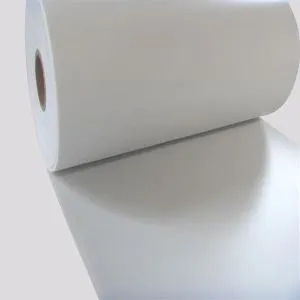
Our PP Cold - Resistant And Scratch - Resistant Sheet can be produced with a glossy finish. The high gloss not only makes the product look more attractive but also provides a certain degree of scratch resistance due to its smooth surface. However, it's important to note that glossy finishes may show fingerprints and scratches more easily compared to other finishes, which could be a drawback in some applications.
Matte Finish
Matte finishes, on the other hand, have a non - reflective, dull appearance. They are created by adding a special additive to the plastic during the manufacturing process or by using a textured mold during thermoforming. Matte finishes are popular in applications where glare needs to be minimized, such as in computer monitors, TV screens, and control panels.
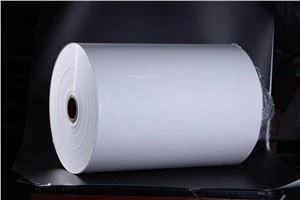
The Tri - Laminated PS Sheet can be customized with a matte finish. This finish also helps to hide minor scratches and imperfections, making the product more durable in high - traffic or rough - handling environments. Additionally, matte finishes can give a product a more sophisticated and professional look, which is often desired in high - end consumer goods.
Textured Finish
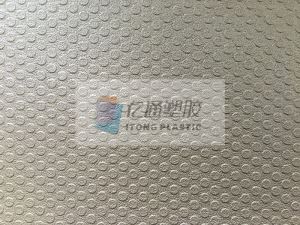
Textured finishes add a three - dimensional aspect to the plastic sheet. There are various types of textures, such as leather - like, wood - grain, or pebble - like textures. These finishes can mimic the appearance and feel of natural materials, providing a more authentic and tactile experience. Textured finishes are commonly used in automotive interiors, furniture, and building materials.
For example, our ABS Thermoform Plastic Sheets can be produced with a wide range of textures. A wood - grain texture can be used to create plastic panels that look like real wood, which is not only cost - effective but also more sustainable. Textured finishes can also improve the grip of the plastic, making it more suitable for products that require handling, such as tool handles or consumer appliances.
Factors Affecting Surface Finish
Material Properties
Different plastic materials have different inherent properties that can affect the surface finish. For instance, polypropylene (PP) is a relatively soft plastic, which makes it easier to achieve a smooth and glossy finish. However, it may be more prone to scratching compared to more rigid plastics like acrylonitrile butadiene styrene (ABS).
ABS has good impact resistance and can maintain its surface finish even under harsh conditions. Polystyrene (PS), especially in the form of our Tri - Laminated PS Sheet, can be easily formed into various shapes and finishes. The material's melting point, viscosity, and flow characteristics during the thermoforming process also play a role in determining the final surface finish.
Thermoforming Process Parameters
The thermoforming process itself can significantly influence the surface finish. Parameters such as heating temperature, forming pressure, and cooling rate need to be carefully controlled. If the heating temperature is too high, the plastic may become over - softened, leading to a rough or uneven surface finish. On the other hand, if the temperature is too low, the plastic may not form properly, resulting in a lack of detail in the finish.
The forming pressure also affects the surface finish. Higher pressures can help to achieve a more precise replication of the mold's surface, which is crucial for textured finishes. The cooling rate is important as well. A rapid cooling rate can help to set the surface finish quickly, but it may also cause internal stresses in the plastic, which could lead to warping or cracking over time.
Mold Design and Surface Condition
The mold used in the thermoforming process is a key factor in determining the surface finish. A well - designed mold with a smooth and polished surface can produce a high - quality glossy finish. For textured finishes, the mold needs to have the corresponding texture engraved or machined onto its surface.
The surface condition of the mold also matters. Any scratches, dents, or contaminants on the mold will be transferred to the plastic sheet, resulting in a defective surface finish. Regular maintenance and cleaning of the molds are essential to ensure consistent and high - quality surface finishes.
Applications of Different Surface Finishes
Consumer Goods
In the consumer goods industry, surface finish is crucial for product differentiation and customer appeal. Glossy finishes are often used in smartphones, tablets, and other electronics to give them a sleek and modern look. Matte finishes are popular in kitchen appliances and home decor items to reduce glare and hide fingerprints.
Our PP Cold - Resistant And Scratch - Resistant Sheet with a suitable surface finish can be used in the production of food containers, toys, and personal care product packaging. The scratch - resistant property of the glossy finish ensures that the products maintain their appearance over time, while the cold - resistant feature makes them suitable for storing cold items.
Automotive Industry
In the automotive industry, surface finish is not only about aesthetics but also about functionality. Textured finishes are commonly used in dashboard panels and door trims to provide a non - slip surface and a more luxurious feel. Glossy finishes are used in exterior trims and headlight covers to enhance the vehicle's overall appearance.
Our ABS thermoform plastic sheets can be used to manufacture various automotive components. The high impact resistance and ability to maintain a good surface finish make them suitable for parts that are exposed to harsh environmental conditions, such as bumpers and fender liners.
Medical and Packaging Industries

In the medical industry, the surface finish of plastic sheets needs to meet strict hygiene and safety standards. A smooth and easy - to - clean surface finish is preferred for medical device enclosures and packaging. Our Tri - Laminated PS Sheet with a proper finish can be used in medical packaging to protect the contents from contamination.
In the packaging industry, surface finish can affect the product's shelf appeal and protection. Glossy finishes can make the product stand out on the shelves, while matte finishes can provide a more elegant look. Different finishes can also impact the barrier properties of the packaging, such as moisture and oxygen resistance.
Conclusion
The surface finish of thermoforming plastic sheets is a critical aspect that can significantly affect the product's performance, appearance, and suitability for various applications. As a supplier, we understand the importance of providing high - quality plastic sheets with a wide range of surface finishes. Whether you need a glossy finish for a high - end consumer product, a matte finish to reduce glare, or a textured finish to mimic natural materials, we can meet your requirements.
If you are interested in our thermoforming plastic sheets and would like to discuss your specific needs regarding surface finishes, we encourage you to contact us for a detailed consultation. Our team of experts is ready to assist you in choosing the right material and finish for your project.
References
- "Plastics Materials and Processing" by Donald R. Paul and Charles A. Han.
- "Thermoforming Handbook" by Robert J. Crawford.
- Industry reports on thermoforming plastic sheets from various market research firms.