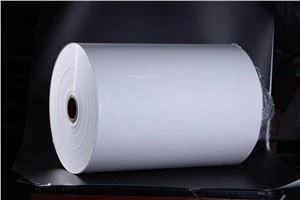
Electrostatic discharge (ESD) is a critical concern in the electronics industry, especially when it comes to the storage and transportation of sensitive electronic components. As a leading supplier of carrier tape materials, we understand the importance of providing products with excellent ESD protection capabilities. In this blog post, we will delve into the ESD protection capabilities of carrier tape materials and why they matter for your electronic components.
Understanding Electrostatic Discharge (ESD)
ESD occurs when a charged object comes into contact with another object at a different electrical potential, causing a sudden flow of electricity. In the electronics industry, ESD can cause irreversible damage to sensitive electronic components, such as integrated circuits (ICs), microprocessors, and memory chips. Even a small electrostatic discharge can generate enough energy to disrupt the normal operation of these components, leading to malfunctions, data loss, or complete failure.
The sources of ESD in the electronics manufacturing and handling environment are numerous. They can include human contact, friction between materials, and the movement of air. For example, when a worker picks up an electronic component without proper ESD protection, the static electricity on their body can be transferred to the component, causing an ESD event. Similarly, the friction generated when a carrier tape is unwound from a reel can also generate static electricity, which can pose a risk to the components stored inside.
The Role of Carrier Tape Materials in ESD Protection
Carrier tapes are used to hold and transport electronic components during the manufacturing, testing, and shipping processes. They are typically made of plastic materials and are designed to provide a secure and protective environment for the components. One of the key functions of carrier tape materials is to prevent ESD from occurring and damaging the components.
To achieve effective ESD protection, carrier tape materials need to have certain properties. Firstly, they should have a low surface resistance. Surface resistance is a measure of how easily electricity can flow across the surface of a material. A low surface resistance allows static electricity to dissipate quickly, reducing the risk of ESD events. Secondly, carrier tape materials should be able to prevent the generation of static electricity in the first place. This can be achieved by using anti-static additives or by modifying the surface properties of the material.
Types of Carrier Tape Materials and Their ESD Protection Capabilities
There are several types of carrier tape materials available in the market, each with its own unique ESD protection capabilities.


Conductive Carrier Tapes
Conductive carrier tapes are made of materials that have a high concentration of conductive fillers, such as carbon black or metal particles. These fillers create a conductive path within the material, allowing static electricity to flow freely and dissipate quickly. Conductive carrier tapes typically have a surface resistance in the range of 10^3 to 10^6 ohms per square, which is considered to be very low. This makes them highly effective in preventing ESD events and protecting sensitive electronic components.
Dissipative Carrier Tapes
Dissipative carrier tapes are designed to have a slightly higher surface resistance than conductive carrier tapes, typically in the range of 10^6 to 10^9 ohms per square. They are made of materials that contain anti-static additives, which help to reduce the generation of static electricity and allow it to dissipate slowly. Dissipative carrier tapes are a good choice for applications where a moderate level of ESD protection is required.
Anti-Static Carrier Tapes
Anti-static carrier tapes are the most basic type of carrier tape materials when it comes to ESD protection. They are made of materials that have been treated with anti-static agents to reduce the generation of static electricity. However, they do not have a conductive path like conductive or dissipative carrier tapes, so they are not as effective in dissipating static electricity. Anti-static carrier tapes typically have a surface resistance greater than 10^9 ohms per square and are suitable for applications where the risk of ESD is relatively low.
Factors Affecting the ESD Protection Capabilities of Carrier Tape Materials
Several factors can affect the ESD protection capabilities of carrier tape materials.
Material Composition
The type and amount of conductive fillers or anti-static additives used in the carrier tape material can have a significant impact on its ESD protection capabilities. For example, increasing the concentration of conductive fillers in a conductive carrier tape can lower its surface resistance and improve its ability to dissipate static electricity.
Environmental Conditions
The environmental conditions in which the carrier tape is used can also affect its ESD protection capabilities. Temperature and humidity can have a direct impact on the surface resistance of the material. In general, higher humidity levels can help to reduce the generation of static electricity and improve the dissipation of static charges. On the other hand, low humidity levels can increase the risk of ESD events.
Manufacturing Process
The manufacturing process of the carrier tape can also influence its ESD protection capabilities. For example, improper extrusion or molding processes can lead to uneven distribution of conductive fillers or anti-static additives, which can affect the material's surface resistance and ESD protection performance.
Why Choose Our Carrier Tape Materials for ESD Protection
As a supplier of carrier tape materials, we are committed to providing products with excellent ESD protection capabilities. Our carrier tape materials are carefully formulated and manufactured to meet the highest standards of quality and performance.
We offer a wide range of carrier tape materials, including PC Carrier Tape and Carrier Tape And Reel, each with its own unique ESD protection properties. Our conductive carrier tapes have a very low surface resistance, ensuring rapid dissipation of static electricity and maximum protection for your sensitive electronic components. Our dissipative and anti-static carrier tapes are also designed to provide effective ESD protection in different applications.
In addition to our high-quality products, we also provide excellent customer service. Our team of experts is always available to answer your questions and help you choose the right carrier tape material for your specific needs. We can also provide customized solutions to meet your unique requirements.
Conclusion
ESD protection is a crucial aspect of the storage and transportation of electronic components. Carrier tape materials play a vital role in preventing ESD events and protecting your valuable components. By choosing carrier tape materials with excellent ESD protection capabilities, you can reduce the risk of component damage and ensure the reliability of your electronic products.
If you are looking for high-quality carrier tape materials with superior ESD protection capabilities, look no further. We are here to provide you with the best solutions for your ESD protection needs. Contact us today to start a discussion about your requirements and explore how our carrier tape materials can benefit your business.
References
- Smith, J. (2018). Electrostatic Discharge in the Electronics Industry. New York: Wiley.
- Jones, A. (2019). Carrier Tape Materials for Electronic Component Packaging. London: Elsevier.
- Brown, C. (2020). ESD Protection Strategies for Electronic Devices. Berlin: Springer.