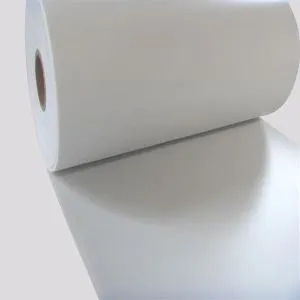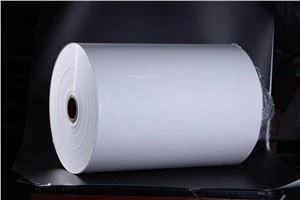
As a supplier of PP White Antistatic products, I often encounter questions from customers about how to properly dispose of waste PP White Antistatic materials. This is not only an environmental concern but also a matter of regulatory compliance. In this blog, I will share some effective ways to deal with waste PP White Antistatic, ensuring both environmental protection and cost - effectiveness.


Understanding PP White Antistatic
PP White Antistatic is a type of polypropylene plastic with antistatic properties. It is widely used in various industries, such as electronics, packaging, and automotive, due to its ability to prevent the build - up of static electricity, which can damage sensitive electronic components or cause safety hazards. However, like all plastics, improper disposal of waste PP White Antistatic can lead to environmental problems, such as pollution and the accumulation of non - biodegradable waste in landfills.
Recycling: The First Choice
Recycling is the most environmentally friendly way to dispose of waste PP White Antistatic. By recycling, we can reduce the demand for virgin plastic materials, conserve natural resources, and decrease energy consumption.
- Collection and Sorting
The first step in recycling is to collect the waste PP White Antistatic materials. This can be done through a dedicated collection system, either by the supplier or a third - party recycling company. Once collected, the materials need to be sorted from other types of plastics and contaminants. For example, any labels, adhesives, or other foreign objects should be removed. - Recycling Process
After sorting, the waste PP White Antistatic is sent to a recycling facility. At the facility, the plastic is shredded into small pieces, washed to remove any remaining impurities, and then melted and re - extruded into new plastic pellets. These pellets can then be used to manufacture new products, such as HDPE Sheet Film, which has a wide range of applications in thermoforming processes.
Reuse: An Economical Option
Reusing waste PP White Antistatic materials is another great way to reduce waste. Instead of sending the materials to a recycling facility, they can be repurposed for other applications.
- Internal Reuse
If you are a manufacturer using PP White Antistatic in your production process, you can look for ways to reuse the waste materials within your own facility. For example, scrap pieces can be used as fillers or reinforcements in other plastic products. This not only reduces waste but also saves on material costs. - External Reuse
Waste PP White Antistatic materials can also be sold to other companies that can use them for different purposes. Some companies may be interested in purchasing these materials at a lower cost for non - critical applications. For instance, a packaging company might use the recycled PP White Antistatic to make less - demanding packaging products.
Energy Recovery: A Last Resort
When recycling and reuse are not feasible, energy recovery can be considered as a disposal method. Energy recovery involves using the waste PP White Antistatic as a fuel source to generate heat or electricity.
- Incineration
Incineration is a common energy recovery method. The waste plastic is burned in a controlled environment, and the heat generated is used to produce steam, which can then be used to power turbines and generate electricity. However, it is important to note that incineration should be carried out in a facility with proper pollution control measures to minimize the release of harmful pollutants into the environment. - Gasification
Gasification is another energy recovery technology. In this process, the waste PP White Antistatic is heated in a low - oxygen environment, producing a synthetic gas that can be used as a fuel or as a feedstock for the production of chemicals. Gasification is generally considered to be a cleaner alternative to incineration, as it produces fewer pollutants.
Regulatory Considerations
When disposing of waste PP White Antistatic, it is crucial to comply with local, national, and international regulations. Different regions may have different rules regarding the disposal of plastic waste, including requirements for recycling, waste management licenses, and environmental impact assessments. Failure to comply with these regulations can result in significant fines and legal consequences.
Tips for Effective Waste Disposal
- Partner with a Professional Recycling Company
Working with a professional recycling company can ensure that your waste PP White Antistatic is properly handled and recycled. These companies have the expertise and equipment to carry out the recycling process efficiently and in compliance with environmental regulations. - Educate Your Employees
If you are a manufacturer, it is important to educate your employees about the proper handling and disposal of waste PP White Antistatic. This can help to ensure that the materials are collected and sorted correctly, increasing the efficiency of the recycling process. - Implement a Waste Management Plan
Develop a comprehensive waste management plan that includes strategies for reducing, reusing, and recycling waste PP White Antistatic. This plan should be regularly reviewed and updated to ensure its effectiveness.
Conclusion
Proper disposal of waste PP White Antistatic is essential for environmental protection and regulatory compliance. By choosing the right disposal methods, such as recycling, reuse, or energy recovery, we can minimize the environmental impact of plastic waste and contribute to a more sustainable future. As a supplier of PP White Antistatic products, I am committed to providing my customers with the information and support they need to dispose of their waste materials responsibly.
If you are interested in purchasing high - quality PP White Antistatic products or have any questions about waste disposal, please feel free to contact us for further discussion and procurement negotiation. We look forward to working with you to meet your plastic material needs.
References
- "Plastic Recycling Handbook" by John Murphy
- "Environmental Regulations for Plastic Waste Disposal" by the Environmental Protection Agency