Hey there! As a supplier of PS Semi - Conductive Sheet, I've been getting a lot of questions lately about whether our product can be used in solar energy applications. So, I thought I'd sit down and write this blog to share my thoughts and some insights on this topic.
What is PS Semi - Conductive Sheet?
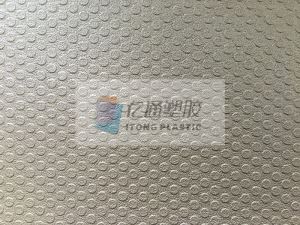
First things first, let's talk about what PS Semi - Conductive Sheet is. PS stands for Polystyrene, which is a widely used plastic material. Our semi - conductive sheets are made from high - quality polystyrene, with some special additives that give them semi - conductive properties.
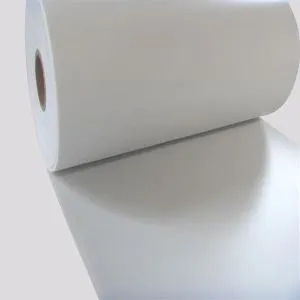
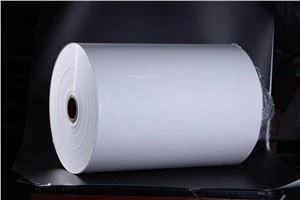
We offer different types of PS sheets, like the HIPS Conductive Plastic Sheet, High Impact Polystyrene Sheet, and PS White Conductive Thermoforming Sheet. These sheets have various applications in different industries, but the big question is, can they be used in solar energy?
The Basics of Solar Energy Applications
Solar energy applications mainly involve converting sunlight into electricity through solar panels. There are a few key components in a solar panel system, including photovoltaic cells, which are the heart of the panel and are responsible for the actual conversion of sunlight into electricity. There are also other parts like the frame, the encapsulant, and the backsheet.


For a material to be used in solar energy applications, it needs to meet several criteria. It should be able to withstand the harsh environmental conditions that solar panels are exposed to, such as extreme temperatures, UV radiation, and humidity. It also needs to have good electrical properties, either as a conductor or an insulator depending on its role in the system.
Can PS Semi - Conductive Sheet Fit the Bill?
1. Environmental Resistance
One of the main advantages of PS Semi - Conductive Sheet is its relatively good environmental resistance. Polystyrene is known for its ability to resist moisture to some extent. However, in solar energy applications, the material needs to be able to withstand long - term exposure to sunlight, which means it has to be UV - resistant.
Our PS sheets can be formulated with UV stabilizers to enhance their resistance to UV radiation. This helps prevent the material from degrading over time due to sunlight exposure. Also, they can handle a certain range of temperatures. While they might not be able to withstand the extremely high temperatures that some specialized materials can, in most normal solar panel installation locations, they should be able to perform well.
2. Electrical Properties
In solar panels, different materials have different electrical requirements. For example, the backsheet is usually an insulator to protect the electrical components from external interference. On the other hand, some parts might need to have semi - conductive properties to help with the flow of electrons in a controlled way.
Our PS Semi - Conductive Sheet has the right electrical properties to potentially be used in some parts of the solar panel system. The semi - conductive nature allows for a certain level of electron flow, which can be useful in applications where controlled conductivity is required.
3. Cost - Effectiveness
Another important factor in solar energy applications is cost. Solar energy is becoming more and more popular, but the cost of production is still a major concern. PS Semi - Conductive Sheet is relatively inexpensive compared to some other materials used in solar panels. This makes it an attractive option for manufacturers looking to reduce their production costs without sacrificing too much on performance.
Potential Applications in Solar Energy
1. Encapsulant or Backsheet
The encapsulant is used to protect the photovoltaic cells from the environment, while the backsheet provides additional protection and insulation. Our PS Semi - Conductive Sheet could potentially be used as a part of the encapsulant or backsheet. Its semi - conductive properties could help in dissipating static charges, which can be beneficial in preventing damage to the cells.
2. Framing Components
The frame of a solar panel provides structural support. PS Semi - Conductive Sheet can be used to make some of the framing components. Its good mechanical properties and cost - effectiveness make it a viable option. The semi - conductive nature can also help in grounding the panel and reducing the risk of electrical interference.
Challenges and Limitations
Of course, there are also some challenges and limitations to using PS Semi - Conductive Sheet in solar energy applications.
1. Flammability
Polystyrene is known to be flammable. In solar panel applications, fire safety is a major concern. To use our PS sheets, we need to develop flame - retardant formulations. This is an area where we are currently doing a lot of research and development to make our sheets safer for use in solar panels.
2. Long - Term Performance
While our PS sheets can be formulated to have good environmental resistance, the long - term performance in a solar panel system is still a question mark. Solar panels are expected to last for 25 years or more. We need to conduct more long - term testing to ensure that our PS Semi - Conductive Sheet can maintain its properties over such a long period.
Conclusion
So, can PS Semi - Conductive Sheet be used in solar energy applications? The answer is yes, it has the potential. Our PS sheets have several advantages, including environmental resistance, suitable electrical properties, and cost - effectiveness. However, there are also some challenges that need to be addressed, such as flammability and long - term performance.
We are constantly working on improving our products to make them more suitable for solar energy applications. If you're in the solar energy industry and are interested in exploring the use of our PS Semi - Conductive Sheet, we'd love to have a chat with you. Whether you're a manufacturer looking for cost - effective materials or a researcher looking for new solutions, we're here to help. Reach out to us, and let's start a conversation about how our products can fit into your solar energy projects.
References
- "Solar Energy Systems: Design and Analysis" by John A. Duffie and William A. Beckman
- "Plastics in Solar Energy Applications" - Various industry reports and research papers on the use of plastics in solar panels.