Bending thermoforming plastic sheets is a crucial process in various industries, offering endless possibilities for creating custom shapes and structures. As a trusted supplier of thermoforming plastic sheets, I understand the importance of providing comprehensive guidance on this topic. In this blog post, I'll share valuable insights and practical tips on how to bend thermoforming plastic sheets effectively.

Understanding Thermoforming Plastic Sheets
Before delving into the bending process, it's essential to understand the characteristics of thermoforming plastic sheets. These sheets are made from a variety of polymers, each with its unique properties and applications. Some common types of thermoforming plastic sheets include ABS Conductive (ABS - 11), Glossy Plastic Sheet, and HDPE Permanently Antistatic Sheet.
ABS Conductive (ABS - 11) sheets are known for their excellent electrical conductivity, making them ideal for applications in the electronics industry. Glossy Plastic Sheets offer a smooth and shiny surface, which is often used for aesthetic purposes in consumer products. HDPE Permanently Antistatic Sheets, on the other hand, prevent the buildup of static electricity, making them suitable for environments where static can cause damage or interference.
Factors Affecting the Bending Process
Several factors can influence the bending process of thermoforming plastic sheets. These include the type of plastic, the thickness of the sheet, the bending radius, and the temperature at which the bending occurs.
- Type of Plastic: Different plastics have different melting points and thermal properties. For example, ABS plastic has a relatively low melting point compared to HDPE, which means it can be bent at a lower temperature. Understanding the specific properties of the plastic you're working with is crucial for achieving successful bends.
- Thickness of the Sheet: Thicker sheets require more heat and force to bend compared to thinner sheets. It's important to adjust the bending parameters accordingly to avoid cracking or breaking the sheet.
- Bending Radius: The bending radius refers to the curvature of the bend. A smaller bending radius requires more heat and force to achieve, and it can also increase the risk of cracking. It's important to choose an appropriate bending radius based on the type and thickness of the plastic sheet.
- Temperature: The temperature at which the plastic sheet is heated is critical for successful bending. If the temperature is too low, the plastic will not be flexible enough to bend, and if it's too high, the plastic may melt or deform. Different plastics have different optimal bending temperatures, which can usually be found in the manufacturer's specifications.
Preparing for the Bending Process
Proper preparation is key to a successful bending process. Here are the steps you should follow:
- Select the Right Plastic Sheet: Choose a plastic sheet that is suitable for your application and has the appropriate properties for bending. Consider factors such as strength, flexibility, and chemical resistance.
- Measure and Mark the Sheet: Use a ruler and a marker to measure and mark the areas where you want to make the bends. Make sure the marks are accurate and clearly visible.
- Prepare the Bending Tool: Depending on the type of bend you want to make, you may need a bending tool such as a heat gun, a bending brake, or a vacuum former. Make sure the tool is in good working condition and is appropriate for the thickness and type of plastic sheet you're using.
- Set Up a Workspace: Create a clean and well - ventilated workspace where you can safely perform the bending process. Make sure there are no flammable materials nearby, as the heating process can generate heat and potentially cause a fire.
The Bending Process
There are several methods for bending thermoforming plastic sheets, and the most common ones are heat bending and vacuum forming.
Heat Bending
Heat bending is a simple and effective method for bending thermoforming plastic sheets. Here's how to do it:
- Heat the Plastic Sheet: Use a heat gun to heat the area of the plastic sheet where you want to make the bend. Move the heat gun back and forth evenly over the area to ensure uniform heating. Keep the heat gun at a distance of about 2 - 3 inches from the sheet to prevent overheating.
- Test the Flexibility: Once the plastic sheet starts to become soft and flexible, test its flexibility by gently bending it. If it's not flexible enough, continue heating it for a few more seconds.
- Make the Bend: Once the plastic sheet is flexible enough, carefully bend it to the desired angle using a bending tool or your hands. Hold the bend in place for a few seconds until the plastic cools and sets.
- Cool the Bend: To speed up the cooling process, you can use a fan or place the bent sheet in a cool area. Make sure the bend is completely cool before handling it further.
Vacuum Forming
Vacuum forming is a more advanced method for bending thermoforming plastic sheets, which is often used for creating complex shapes. Here's how it works:
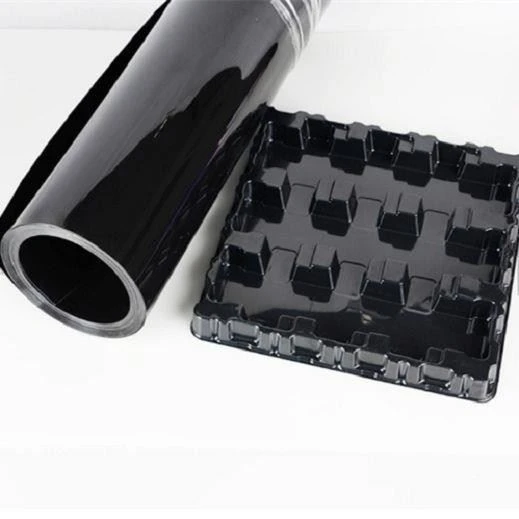
- Create a Mold: Design and create a mold of the desired shape using a material such as wood or foam. Make sure the mold is smooth and free of any sharp edges.
- Heat the Plastic Sheet: Place the plastic sheet over the mold and heat it using a heating element such as an infrared heater or a heat lamp. The plastic sheet will start to soften and sag under its own weight.
- Apply Vacuum: Once the plastic sheet is soft enough, turn on the vacuum pump to create a vacuum between the plastic sheet and the mold. The vacuum will pull the plastic sheet down onto the mold, conforming it to the shape of the mold.
- Cool and Remove the Sheet: Once the plastic sheet has cooled and set, turn off the vacuum pump and carefully remove the sheet from the mold. Trim any excess plastic from the edges of the sheet.
Troubleshooting Common Problems
Even with proper preparation and technique, you may encounter some problems during the bending process. Here are some common problems and their solutions:

- Cracking: Cracking can occur if the plastic sheet is heated too quickly or bent too sharply. To prevent cracking, make sure to heat the plastic sheet evenly and gradually, and choose an appropriate bending radius.
- Warping: Warping can occur if the plastic sheet is not cooled evenly. To prevent warping, make sure to cool the bent sheet slowly and evenly, and avoid exposing it to sudden temperature changes.
- Uneven Bends: Uneven bends can occur if the plastic sheet is not heated evenly or if the bending tool is not used correctly. To prevent uneven bends, make sure to heat the plastic sheet evenly and use a bending tool that is appropriate for the thickness and type of plastic sheet.
Conclusion
Bending thermoforming plastic sheets is a skill that can be mastered with practice and the right knowledge. By understanding the properties of different plastics, preparing properly, and using the appropriate bending techniques, you can create high - quality bends for a variety of applications.
As a supplier of thermoforming plastic sheets, I'm committed to providing you with the best products and support. If you have any questions about bending thermoforming plastic sheets or need help selecting the right plastic sheet for your project, please don't hesitate to contact me. We can discuss your specific requirements and explore the possibilities of working together to meet your needs.

References
- ASTM International. (20XX). Standard test methods for plastics.
- Plastics Industry Association. (20XX). Thermoforming plastics handbook.
- Manufacturer's specifications for various thermoforming plastic sheets.