Hey there! As a supplier of thermoforming plastic sheets, I'm super stoked to walk you through how this whole thermoforming process works. It's a pretty cool and versatile manufacturing technique that's used in tons of industries, from packaging to automotive.
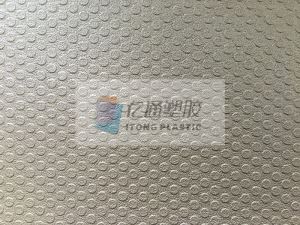
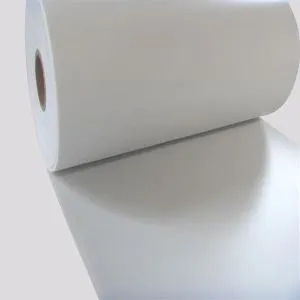
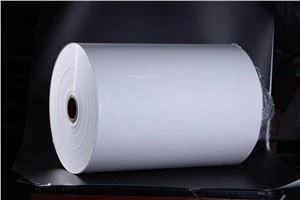
Let's start with the basics. Thermoforming is all about taking a flat plastic sheet and turning it into a three - dimensional shape. It's like magic, but with science! The first step in the thermoforming process is to choose the right plastic sheet. We offer a variety of options, like ABS Normal, ABS Films, and PS Permanent Antistatic. Each type of plastic has its own unique properties, so it's important to pick the one that suits your specific needs.
ABS Normal is a popular choice. It's tough, impact - resistant, and has a nice surface finish. It's great for making things like automotive parts, toys, and consumer electronics enclosures. ABS Films, on the other hand, are thinner and more flexible. They're often used in packaging applications, like blister packs and clamshells. And if you're looking for a plastic that can prevent static buildup, then PS Permanent Antistatic is the way to go. It's commonly used in the electronics industry to protect sensitive components.
Once you've selected the plastic sheet, the next step is to heat it up. We use a special heating system to raise the temperature of the plastic to a point where it becomes soft and pliable. This is usually done in an oven or with infrared heaters. The temperature and heating time depend on the type of plastic and the thickness of the sheet. You gotta get it just right - too hot, and the plastic might start to burn or deform; too cold, and it won't be soft enough to shape.
After the plastic sheet is heated, it's time to form it into the desired shape. There are two main types of thermoforming: vacuum forming and pressure forming.
In vacuum forming, the heated plastic sheet is placed over a mold. Then, a vacuum pump is used to suck the air out from between the sheet and the mold. This creates a pressure difference that forces the plastic to conform to the shape of the mold. It's a relatively simple and cost - effective method, and it's great for making parts with shallow or moderate depths.
Pressure forming is a bit more advanced. In this method, after the heated plastic sheet is placed over the mold, compressed air is used to push the plastic against the mold. This allows for more detailed and complex shapes to be formed, and it can produce parts with better surface finish and dimensional accuracy. Pressure forming is often used for high - quality products, like medical devices and aircraft interiors.
Once the plastic has been formed into the desired shape, it needs to cool down. This is important because it helps the plastic retain its shape. We use a cooling system, which can be as simple as a fan or as complex as a water - cooled system. The cooling time also depends on the type of plastic and the thickness of the part.
After cooling, the formed part is trimmed. This involves cutting off any excess plastic around the edges of the part. We use various cutting tools, like knives, lasers, or water jets, depending on the material and the required precision.
Now, you might be wondering about the advantages of thermoforming plastic sheets. Well, there are plenty! First of all, it's a very cost - effective manufacturing process. The tooling costs for thermoforming are generally much lower than for other methods, like injection molding. This makes it a great option for small - to medium - volume production runs.
Secondly, thermoforming is a very versatile process. It can be used with a wide range of plastics, and it can produce parts in various sizes and shapes. Whether you need a small, intricate part or a large, simple one, thermoforming can do it.
Another advantage is that thermoforming is a relatively fast process. Once the tooling is set up, parts can be produced quickly, which means you can get your products to market faster.
But like any manufacturing process, thermoforming also has its limitations. For example, it's not suitable for making parts with very deep or complex geometries. Also, the wall thickness of thermoformed parts can vary, which might not be ideal for some applications.


If you're in the market for thermoforming plastic sheets, we're here to help. We've got a team of experts who can assist you in choosing the right plastic, designing the mold, and optimizing the thermoforming process. Whether you're a small startup or a large corporation, we can provide you with high - quality plastic sheets and reliable manufacturing services.
So, if you're interested in learning more about our thermoforming plastic sheets or if you have a project in mind, don't hesitate to get in touch. We're always happy to have a chat and see how we can work together to bring your ideas to life.
References
- "Plastics Materials and Processing" by James F. Carley
- "Thermoforming Handbook" by John W. Gillespie Jr.