As a supplier of PS Natural Antistatic products, I've often been asked about how these products perform in a humid room. This is a crucial question, especially considering that humidity can significantly affect the properties and functionality of many materials, including antistatic solutions. In this blog, I'll delve into the performance of PS Natural Antistatic in a humid environment, exploring the scientific principles behind it and sharing practical insights based on our experience.
Understanding PS Natural Antistatic
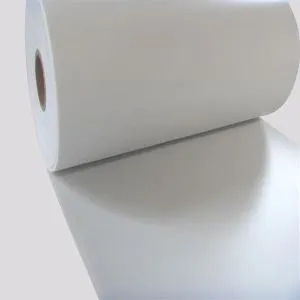
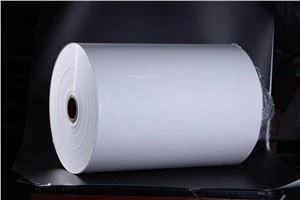
PS Natural Antistatic is a type of polystyrene-based material that has been specially formulated to have antistatic properties. Polystyrene is a widely used plastic known for its transparency, rigidity, and ease of processing. However, like many plastics, it can accumulate static electricity, which can lead to various problems such as attracting dust, causing electrical interference, and even posing a risk of electrostatic discharge (ESD).
To address these issues, our PS Natural Antistatic products are engineered with additives that help to dissipate static charges. These additives work by either increasing the surface conductivity of the material or by attracting moisture from the air, which in turn helps to conduct the static charges away.
The Impact of Humidity on Antistatic Performance
Humidity plays a significant role in the performance of antistatic materials. In general, higher humidity levels can enhance the antistatic properties of many materials. This is because water molecules in the air can act as a conductor, helping to dissipate static charges more effectively.
When it comes to PS Natural Antistatic, humidity can have both positive and negative effects. On the positive side, a certain level of humidity can help to activate the antistatic additives in the material. As the additives attract moisture from the air, they form a thin layer of conductive water on the surface of the material, which allows static charges to flow away more easily.
However, excessive humidity can also have some drawbacks. If the humidity is too high, the material may absorb too much moisture, which can lead to swelling, warping, or a decrease in mechanical properties. Additionally, in extremely humid conditions, the surface of the material may become wet, which can create a breeding ground for mold and bacteria.
Performance in a Humid Room
In our experience, PS Natural Antistatic performs well in a moderately humid room. A relative humidity level of around 40-60% is considered ideal for most antistatic applications. At this level, the antistatic additives in the material are able to function effectively, dissipating static charges quickly and preventing the accumulation of dust and other contaminants.
To illustrate this, let's consider a scenario where PS Natural Antistatic is used in a storage room for electronic components. In a dry environment, static electricity can build up on the surface of the components, potentially causing damage to sensitive electronic circuits. However, in a moderately humid room, the PS Natural Antistatic containers and packaging materials can help to protect the components by dissipating the static charges and keeping the environment free of static-induced problems.
We've also conducted tests to measure the surface resistivity of PS Natural Antistatic in different humidity conditions. Surface resistivity is a key indicator of a material's antistatic properties, with lower values indicating better conductivity and antistatic performance. Our tests have shown that the surface resistivity of PS Natural Antistatic decreases as the humidity increases, up to a certain point. Beyond this point, the surface resistivity may start to increase again due to the negative effects of excessive moisture.
Applications in Humid Environments
PS Natural Antistatic can be used in a variety of applications in humid environments. Some common examples include:


- Electronics Manufacturing: In electronics manufacturing facilities, where humidity levels are often controlled to prevent static-induced damage to components, PS Natural Antistatic can be used for packaging, storage, and handling of electronic parts.
- Food Packaging: In the food industry, humidity can be a major concern as it can affect the quality and shelf life of products. PS Natural Antistatic can be used for food packaging to prevent static charges from attracting dust and other contaminants, while also maintaining the integrity of the packaging material in a humid environment.
- Medical Devices: In the medical field, antistatic materials are essential to prevent the accumulation of static charges on medical devices, which can interfere with their operation or cause damage to sensitive components. PS Natural Antistatic can be used for packaging and storage of medical devices in a humid environment.
Comparison with Other Antistatic Materials
When considering antistatic materials for use in a humid room, it's important to compare PS Natural Antistatic with other options. Some other common antistatic materials include conductive polymers, carbon-filled plastics, and metal-coated materials.
Conductive polymers are materials that have been specially formulated to have high conductivity. While they can provide excellent antistatic performance, they can also be more expensive and may require special processing techniques. Carbon-filled plastics are another option, but they may not be as transparent or aesthetically pleasing as PS Natural Antistatic. Metal-coated materials, on the other hand, can provide good conductivity, but they may be heavier and more prone to corrosion in a humid environment.
In comparison, PS Natural Antistatic offers a good balance of antistatic performance, cost, and ease of processing. It is also transparent, lightweight, and can be easily molded into different shapes and sizes, making it a versatile choice for a wide range of applications.
Tips for Using PS Natural Antistatic in a Humid Room
To ensure the best performance of PS Natural Antistatic in a humid room, here are some tips to keep in mind:
- Control the Humidity: Maintain a relative humidity level of around 40-60% in the room. This can be achieved using a humidifier or dehumidifier, depending on the climate and the specific requirements of the application.
- Proper Storage: Store PS Natural Antistatic products in a dry place when not in use. Avoid exposing them to excessive moisture or direct sunlight, as this can affect their properties and performance.
- Cleaning and Maintenance: Regularly clean the PS Natural Antistatic surfaces to remove any dust, dirt, or contaminants. Use a mild detergent and a soft cloth to avoid scratching the surface.
- Inspect for Damage: Periodically inspect the PS Natural Antistatic products for any signs of damage, such as cracks, warping, or discoloration. If any damage is detected, replace the product immediately to ensure continued antistatic performance.
Conclusion
In conclusion, PS Natural Antistatic performs well in a moderately humid room, thanks to its specially formulated additives that help to dissipate static charges. While humidity can have both positive and negative effects on its performance, by controlling the humidity level and following proper storage and maintenance procedures, you can ensure that PS Natural Antistatic provides reliable antistatic protection in a variety of applications.
If you're interested in learning more about our PS Natural Antistatic products or would like to discuss your specific requirements, please don't hesitate to contact us. We'd be happy to provide you with more information and help you find the right solution for your needs.