

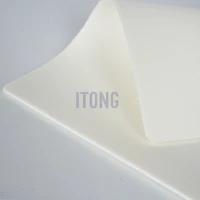
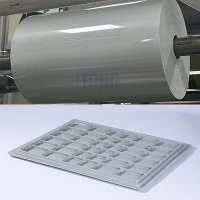
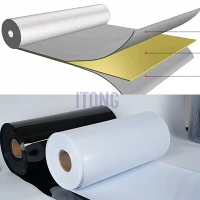
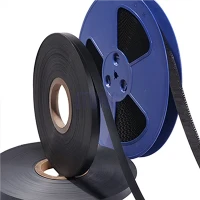
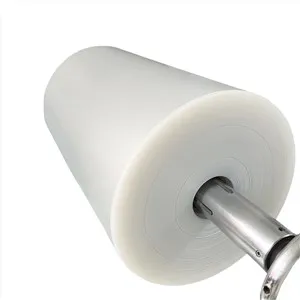
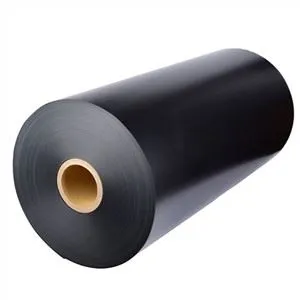
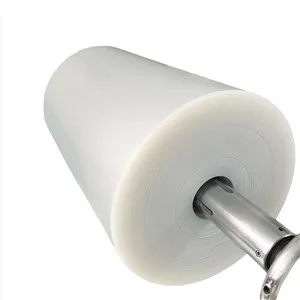
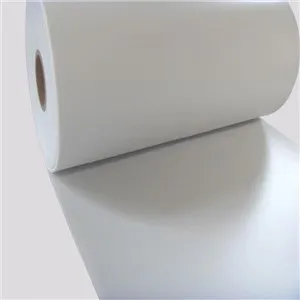
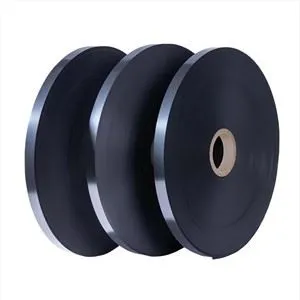
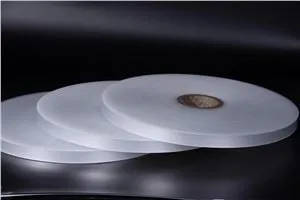
PP Thermoforming Plastic Sheet


Why Choose Us?
Rich Experience
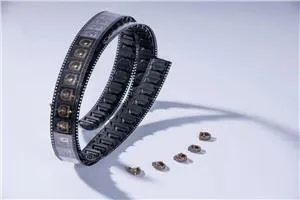
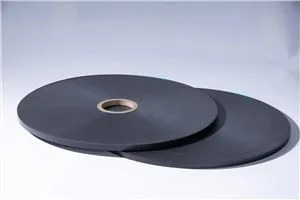
Established in 2002, Zhejiang Itong New Material Technology co.,ltd is China Hi-tech enterprise which produce plastic sheet with conductive and antistatic property for carrier tape and tray.
Professional Technical Team
More than 100 well trained and skilful operators ,15 engineers and technicians.
Covers a Wide Area
Company covers an area of 16,650 square meters, production workshop building area of 25,000square meters.
Wide Product Range
The diversified produce inculding PS, ABS, PC, PP, TPV and etc. offering customers innovative solutions and ideas.
Thermoforming is a special plastic processing method for processing thermoplastic sheets into various products. After heating the thermoplastic sheet to soften it, use pressure (vacuum or positive pressure) to make the thermoplastic sheet act on the surface of the mold to obtain a shape similar to the profile. After cooling and setting, the desired shape is obtained by trimming. Thermoforming is fast and uniform, with short molding cycle and low mold cost, suitable for automation and long-term production, and is considered to be the lowest and most efficient processing method in plastic molding methods.
Advantages of PP Thermoforming Plastic Sheet
Lightweight and Easy to Handle:
One of the key advantages of PP thermoforming plastic sheets is their lightweight nature. Compared to other construction materials such as plywood or metal sheets, PP thermoforming plastic sheets are significantly lighter. This characteristic makes them easy to handle and transport, reducing labor costs and simplifying installation processes. Their lightweight nature also means less strain on the supporting structures, making them an ideal choice for applications where weight is a concern, such as wall cladding or false ceilings.
Excellent Chemical Resistance:
PP thermoforming plastic sheets exhibit exceptional resistance to a wide range of chemicals, making them highly suitable for construction projects that involve exposure to corrosive substances or harsh environments. Unlike other materials, such as metals or wood, polypropylene does not corrode or degrade when exposed to chemicals like acids, alkalis, or solvents.
Moisture Resistance and Waterproof Properties:
PP sheets are inherently moisture-resistant, making them an ideal choice for construction projects where exposure to water or high humidity is expected. Unlike materials like wood or certain plastics, polypropylene does not absorb moisture, which helps prevent warping, rotting, or swelling.
High Impact Strength and Durability:
PP thermoforming plastic sheets are known for their exceptional impact strength, which makes them highly durable and resistant to damage. They can withstand heavy loads, impacts, and even extreme weather conditions without cracking or breaking. This durability is particularly advantageous in construction applications that require long-term structural stability and resistance to wear and tear. PP thermoforming plastic sheets are often used in roofing, wall cladding, protective barriers, and floor protection, where their high impact strength ensures longevity and reduces maintenance costs.
Thermal Insulation and Energy Efficiency:
PP thermoforming plastic sheets possess excellent thermal insulation properties, helping to maintain comfortable indoor temperatures and enhance energy efficiency in buildings. They act as effective barriers against heat transfer, reducing the need for excessive heating or cooling systems.
Application of PP Thermoforming Plastic Sheet
Electrical and tools manufacturing
The material is well-known for its insulation or high electrical resistance; thus, it's ideal for electrical components, such as cables, etc.
01
Automotive industries
Polypropylene plastic sheets have excellent impact and chemical resistance, making them an ideal candidate for car interior and exterior components. Some of their common applications are bumpers, dashboards, and door panels.
02
Construction
Since the material shows excellent capability of withstanding harsh weather and conditions with great durability, it's commonly used in the construction sector. You can see vapor barriers, roofing, or wall cladding made from PP.
03
Medical
Non-food packing applications of polypropylene plastic sheets include medical ones. Besides, PP's great sterility and chemical and bacterial resistance allow the material to be used for disposal vials and syringes, pill containers, intravenous bottles, Petri dishes, and diagnostic devices.
04
What Are the Thermoforming Processes for PP Thermoformed plastic sheets?

Vacuum Forming
Pressure Forming
Mechanical Forming
Drape Forming
Matched Mold Forming
Twin Sheet Forming
Billow Forming
Factors to Consider When Choosing Suitable Thermoforming Equipment for PP Thermoforming Plastic Sheet Processing
Forming area
The forming area refers to the build space where the plastic pattern or design is formed. The forming area is equipped with the designed mold(s), core plug, or the mechanism that applies patterns to the preheated plastic sheet.
Depth of draw
The depth of draw or draw ratio is crucial to understanding the thermoforming process. The draw ratio lets the manufacturer know the gauge of plastic required for individual thermoforming projects. Knowledge of the “depth of draw” the equipment utilizes enables the manufacturer to determine the thickness of the plastic part and the surface area the plastic sheet should cover during the thermoforming process.
Machine dimensions
The dimensions of the thermoforming equipment determine the size of components or plastic parts the chosen equipment can produce. Desktop thermoforming equipment is compact, and therefore offers limited forming dimensions, while industrial solutions are much larger.
Clamping force
Some thermoforming machinery, such as the pressure forming, twin sheet, and matched mold forming equipment, clamps down on the plastic sheet to form the finished part. The clamping force is an important consideration because it helps determine the type of material that may be used.
Tool-change capabilities
Evaluating the tool-change capabilities of a thermoforming machine can help manufacturers determine how quickly tool changes can be executed. Faster tool change increases the efficiency and cost-effectiveness of the equipment in production.
How to Produce PP Thermoforming Plastic Sheet?
Raw Material Preparation
Start by obtaining polypropylene resin in the form of pellets or granules. These pellets are typically derived from the polymerization of propylene monomers.
Extrusion
The first step is to melt the PP resin. This is done using an extruder, a machine that applies heat and pressure to convert the solid resin into a molten state. The molten PP is forced through a die, which imparts the desired thickness and width to the sheet.
Cooling and Solidification
Once the molten PP exits the die, it passes through a cooling system. This can involve air cooling, contact with chilled rollers, or immersion in a water bath. The purpose is to rapidly cool the molten PP, causing it to solidify and maintain its shape.
Calendering (optional)
In some cases, the solidified PP plsatic sheet may go through a calendering process. This involves passing the sheet between a series of heated rollers to further refine its thickness and surface smoothness. Calendering can improve the aesthetic appearance and physical properties of the sheet.
Cutting and Winding
After solidification and potential calendering, the PP sheet is cut into individual sheets of the desired length. These sheets are then wound onto a roll, forming a continuous PP thermoforming plastic sheet. This process may be automated using cutting and winding machinery for precise dimensions and uniform winding.
Quality Control
Throughout the production process, quality control measures are implemented to ensure the PP sheets meet the required specifications. This can involve visual inspection, measurements of thickness and dimensions, and testing for mechanical properties.
Packaging and Storage
Once the rolls of PP plastic sheet are produced, they are packaged and prepared for storage or shipment. Proper packaging materials are used to protect the rolls during handling and transportation.

Polypropylene (PP) is a thermoplastic polymer widely used in packaging applications due to its excellent chemical and moisture resistance, durability, and low cost. PP sheets can be easily molded into different shapes and sizes, and they can be colored in various hues, including purple.
Purple is a color that is often associated with creativity, imagination, and playfulness. It can be an appealing color choice for children’s products, especially when combined with other bright and cheerful colors. Purple packaging may also help your product stand out on store shelves and convey a sense of uniqueness and fun.
When selecting packaging materials for children’s food, their safety and suitability for contact with food must be considered. PP thermoforming plastic sheet is generally considered as a safe food packaging material, and it can fully block external factors such as moisture, oxygen and light to protect the quality and freshness of food.
The density of Polypropylene is between 0.895 and 0.92 g/cm³. Therefore, PP is the commodity plastic with the lowest density. With lower density, moldings parts with lower weight and more parts of a certain mass of plastic can be produced. Polypropylene is normally tough and flexible, especially when copolymerized with ethylene. This allows polypropylene to be used as an engineering plastic, competing with materials such as acrylonitrile butadiene styrene (ABS). Polypropylene is reasonably economical. PP has good resistance to fatigue. The melting point of polypropylene occurs at a range, so a melting point is determined by finding the highest temperature of a differential scanning calorimetry chart. Perfectly isotactic PP has a melting point of 171 °C (340 °F). Commercial isotactic PP has a melting point that ranges from 160 to 166 °C (320 to 331 °F), depending on atactic material and crystallinity. Syndiotactic PP with a crystallinity of 30% has a melting point of 130 °C (266 °F). Below 0°C, PP becomes brittle. The thermal expansion of polypropylene is very large, but somewhat less than that of polyethylene.

Expert Guide: Installing PP Thermoforming Plastic Sheets
Proper installation is crucial to ensure the longevity and effectiveness of PP thermoforming plastic sheets in your project. Follow these expert tips for a successful installation process.
Surface Preparation
Thoroughly clean and prepare the surface where the PP thermoforming plastic sheets will be installed. Remove any debris, oils, or contaminants that could hinder proper adhesion.
Adhesive Selection
Choose the appropriate adhesive based on the type of PP thermoforming plastic sheets and the substrate. Adhesive compatibility is essential for a strong and lasting bond.
Even Application
Apply adhesive evenly across the surface to avoid air pockets and ensure full contact between the sheets and the substrate.
Securing and Finishing
Secure the PP thermoforming plastic sheets in place and apply pressure evenly. Trim any excess material and ensure neat edges for a professional finish.
How PP Thermoforming Plastic Sheet Stands Against the Challenges of Nature
Moister Resistant
The polypropylene sheets display excellent resistance against moisture, which makes them suitable for humid and wet environments. This material does not absorb water easily and maintains its structural integrity and dimensional stability even if it gets exposed to moisture for a longer period.
Chemical Resistant
The PP thermoforming plastic sheets are chemically inert and, thus, stand up exceptionally well against various chemicals. This makes them ideal to be used in environments where exposure to acids is a major concern.
Temperature Resistant
The PP thermoforming plastic sheets have a high melting point. Therefore, the sheets can withstand diverse temperature ranges - remaining stable in low as well as high environmental conditions. This makes them suitable for different applications - from cold storage to industrial settings with high heat.
Mechanical Stability
The PP thermoforming plastic sheets display impressive mechanical strength despite being lightweight. They are tough but flexible, allowing them to survive physical strength without breaking easily.
Microwaveable
This feature of PP thermoforming plastic sheets stands out from the rest. The sheets are engineered with the ability to withstand the microwave's heat. Thus, they are the preferred choice of packaging and containers designed for microwave use.
Hot-fill Compatibility
The PP thermoforming plastic sheets are easily compatible with hot-filling processes and are ideal for the packaging of hot foods and beverages. They display resilience against high temperatures during the filling process.
Shrinkage Deformation Problem and Solution of PP Thermoforming Plastic Sheet
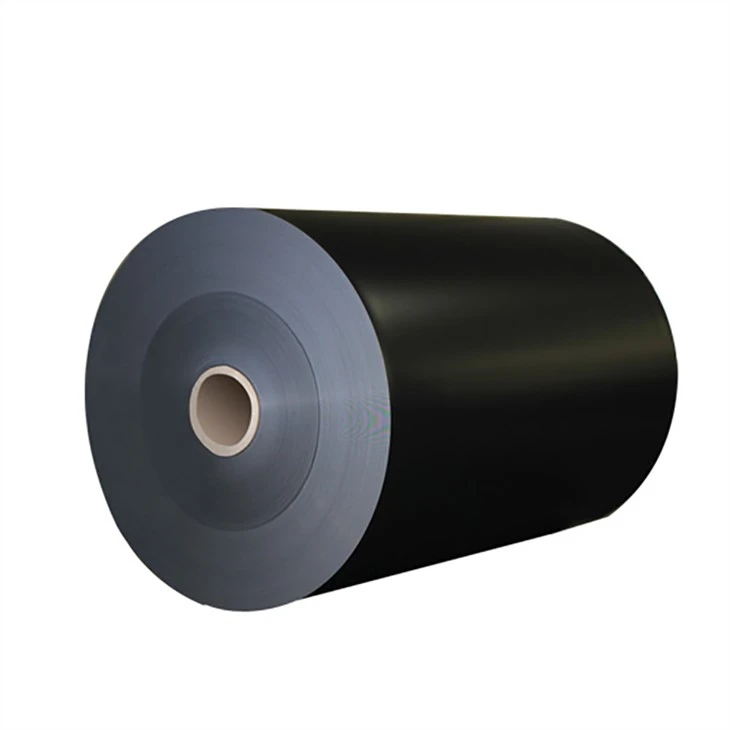
Shrinkage deformation is the phenomenon that the PP thermoforming plastic sheet product surface appears concave marks or dents due to the shrinkage of the material during cooling and solidification. It affects the appearance and performance of the product.
The main causes of shrinkage deformation are the high shrinkage rate of PP material, the uneven wall thickness of the product, the insufficient pressure and cooling time during molding, etc.
The main methods to solve shrinkage deformation are to control the quality of the raw material, to design a reasonable wall thickness and round corner for the product, to increase the holding pressure and cooling time during molding, etc.
Surface Treatment Problem and Solution of PP Thermoforming Plastic Sheet
Surface treatment is the process of modifying or enhancing the surface properties of PP thermoforming plastic sheet products, such as color, gloss, texture, adhesion, etc. It can improve the appearance and functionality of the products.
The main difficulties of surface treatment for PP thermoforming plastic sheet products are the poor printing, coding and engraving effects due to the low surface energy and polarity of PP material, as well as the poor resistance to solvents or aromatic hydrocarbons.
The main methods to improve surface treatment effects for PP thermoforming plastic sheet products are to select suitable ink or coating for PP material, to use special equipment or technology for printing, coding or engraving, to increase surface roughness or activity by corona treatment or plasma treatment, etc.
Among PP boards and rods, it is an interesting and creative material, and many special shapes can be used for various plastic projects. They have unique properties and benefits to add some sparkle and elegance to your mechanical equipment, storage shelving components or architectural accessories and more.

Factors Affecting the Price of PP Thermoforming Plastic Sheets
Packaging:
PP thermoforming plastic sheets are widely used in the packaging industry for creating containers, blister packs, clamshells, and food packaging. Their lightweight nature, durability, and transparency make them an excellent choice.
Automotive:
In the automotive sector, PP thermoforming plastic sheets are used for interior and exterior components, including door panels, dashboards, and bumpers. Their resistance to chemicals and impact makes them suitable for these applications.
Construction:
PP thermoforming plastic sheets are employed in construction for wall cladding, roofing, and as a vapor barrier. They offer weather resistance and durability in harsh conditions.
Medical:
In the medical field, PP thermoforming plastic sheets are used for disposable syringes, vials, and other medical packaging due to their excellent chemical resistance and sterility.
Our Factory
Established in 2002, Zhejiang Itong New Material Technology co.,ltd is China Hi-tech enterprise which produce plastic sheet with conductive and antistatic property for carrier tape and tray. To date, Yitong own the Chinese market share leader in electronic packaging material and has an wholly-owned subsidaiaries Zhejiang Imin new material technology Co,Ltd. The diversified produce inculding PS, ABS, PC, PP, TPV and etc. offering customers innovative solutions and ideas, we trust yitong is the name you can count on to handle your electronic packaging, automobile parts packaging and cosmetic packaging.

Our Certifications

Ultimate FAQ Guide to PP Thermoforming Plastic Sheet
Q: What is PP thermoforming?
Q: What is a very important parameter while thermoforming?
Q: Can you thermoform polypropylene?
Q: What are the characteristics of thermoforming plastics?
Q: What is the temperature for thermoforming PP?
Q: What are the basics of thermoforming?
Q: Why use PP plastic?
Q: What is the problem in thermoforming?
Q: What plastic is best for thermoforming?
Q: Can you vacuum form PP?
Q: Can you put hot water in polypropylene?
Q: What is the cooling time for PP material?
Q: What is the safe temperature for PP plastic?
Q: What is the minimum thickness for thermoforming?
Q: How does plastic thermoforming work?
Q: What are the two types of thermoforming?
Q: What is the maximum thickness for thermoforming?
Q: How do you bend polypropylene sheets?
Q: Can thermoforming plastics be reused?
Q: What is the difference between thermoforming and molding?