

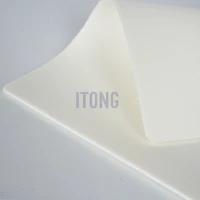
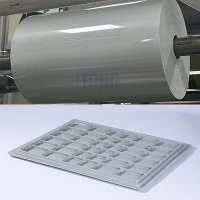
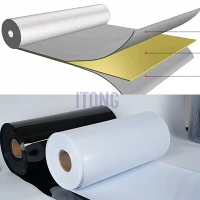
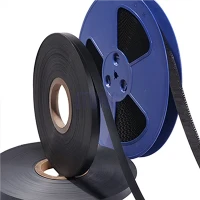
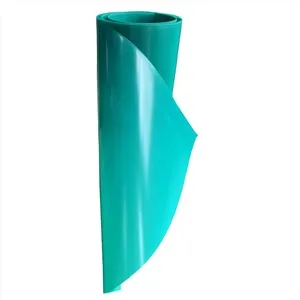
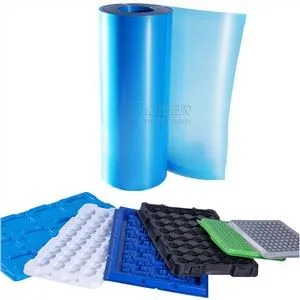
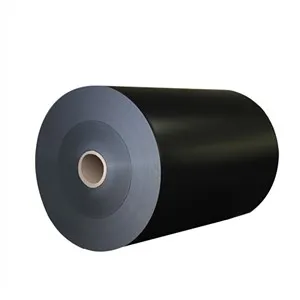
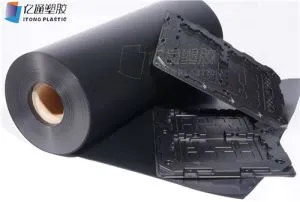
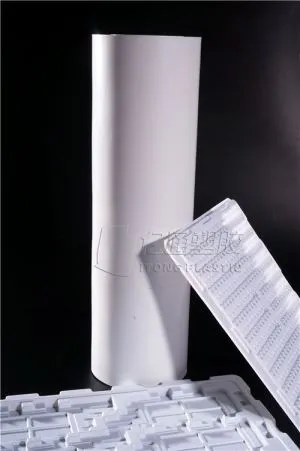
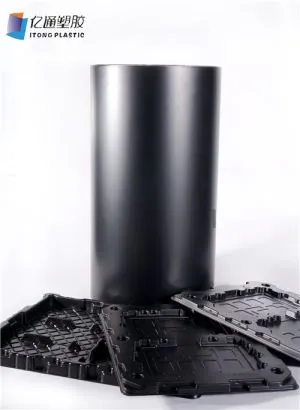
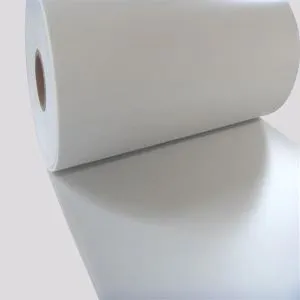
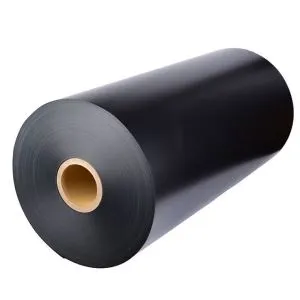
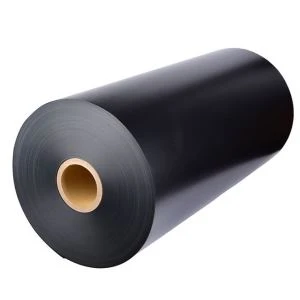
HIPS Thermoforming Plastic Sheet



Why Choose Us?
Rich Experience
Established in 2002, Zhejiang Itong New Material Technology co.,ltd is China Hi-tech enterprise which produce plastic sheet with conductive and antistatic property for carrier tape and tray.
Professional Technical Team
More than 100 well trained and skilful operators ,15 engineers and technicians.
Covers a Wide Area
Company covers an area of 16,650 square meters, production workshop building area of 25,000square meters.
Wide Product Range
The diversified produce inculding PS, ABS, PC, PP, TPV and etc. offering customers innovative solutions and ideas.
High Impact Polystyrene (HIPS) thermoforming plastic sheets are a versatile material that has found extensive use in numerous industries. Their exceptional impact resistance, dimensional stability, versatility, and cost-effectiveness make them an attractive choice for applications ranging from packaging to automotive and construction.
Advantages of HIPS Thermoforming Plastic Sheet
Versatility
One of the key advantages of HIPS thermoforming plastic sheets is their versatility. They can be easily molded and shaped into different forms, making them ideal for a wide range of applications. From packaging materials to automotive parts, HIPS thermoforming plastic sheets can be tailored to meet the specific requirements of any project.
Durability
HIPS thermoforming plastic sheets are known for their durability and strength. They can withstand high temperatures and are resistant to chemicals, making them suitable for use in harsh environments. Whether used indoors or outdoors, HIPS thermoforming plastic sheets can maintain their integrity and performance over time.
Sustainability
In today's world, sustainability is a top priority for many industries. HIPS thermoforming plastic sheets are an environmentally friendly option, as they are recyclable and can be reused in a variety of ways. By choosing HIPS thermoforming plastic sheets, companies can reduce their carbon footprint and contribute to a more sustainable future.
Cost-Effective
Despite their many benefits, HIPS thermoforming plastic sheets are also cost-effective. They are affordable to produce and can help companies save money on manufacturing and production costs. Additionally, their durability means they have a long lifespan, further adding to their cost-effectiveness.
Applications
HIPS thermoforming plastic sheets are used in a wide range of applications, including packaging, signage, automotive parts, and more. Their versatility, durability, and sustainability make them an ideal choice for many industries looking for high-quality materials.
Application of HIPS Thermoforming Plastic Sheet

Packaging Industry
Automotive Industry
Construction Industry
Electronics and Appliances
Signage and Display Industry
Key Features and Properties of HIPS Thermoforming Plastic Sheet
Impact Resistance
HIPS thermoforming plastic sheets exhibit exceptional toughness and can withstand high-impact loads, making them ideal for applications that require protection against physical stress.
Lightweight
HIPS thermoforming plastic sheets are lightweight, making them easier to handle, transport, and install.
Dimensional Stability
These sheets maintain their shape and dimensions even under varying temperatures, ensuring product consistency and reliability.
Versatility
HIPS thermoforming plastic sheets can be easily fabricated, thermoformed, and printed, allowing for customization and adaptation to different requirements.
Chemical Resistance
HIPS is resistant to many chemicals, including acids and alkalis, ensuring its durability in challenging environments.
Market Trends and Developments in HIPS Thermoforming Plastic Sheets
Sustainable Solutions
With increasing awareness about environmental sustainability, the demand for eco-friendly materials is on the rise. HIPS thermoforming plastic sheets, known for their recyclability and energy efficiency, are gaining traction in various industries. Manufacturers are investing in research and development to enhance the sustainability profile of HIPS thermoforming plastic sheets, paving the way for a more environmentally conscious market.
Technological Advancements
Rapid technological advancements have led to the development of enhanced HIPS thermoforming plastic sheet formulations. UV-resistant coatings, anti-fog properties, and self-cleaning capabilities are some of the innovations that are becoming increasingly prevalent. These advancements not only improve the performance of HIPS thermoforming plastic sheets but also expand their potential applications.
Increasing Demand in Construction
The construction industry has emerged as a key consumer of HIPS thermoforming plastic sheets, primarily due to their versatility and durability. The use of these sheets in roofing, skylights, and façades is becoming more widespread. As architects and builders recognize the aesthetic and functional benefits of polycarbonate, the demand in the construction sector is expected to surge.
Growing Popularity in Automotive Glazing
HIPS thermoforming plastic sheets are gaining popularity as a lightweight alternative to traditional glass in automotive applications. Their impact resistance, clarity, and ease of molding make them an attractive choice for manufacturers aiming to improve fuel efficiency and safety. The automotive sector is poised to become a significant driver of growth in the HIPS thermoforming plastic sheet market.
Future Developments of HIPS Thermoforming Plastic Sheets
Smart HIPS thermoforming plastic sheets
The integration of smart technologies into HIPS thermoforming plastic sheets is a future development that holds immense potential. This could include embedded sensors for monitoring environmental conditions, adaptive light control, or even integration with IoT (Internet of Things) platforms. HIPS thermoforming plastic sheets could find applications in smart buildings, automotive displays, and various other cutting-edge technologies.
Biodegradable Polycarbonate
Researchers are actively exploring the development of biodegradable HIPS thermoforming plastic sheets to address concerns about plastic pollution. If successful, this innovation could revolutionize the industry by providing a sustainable alternative without compromising on performance. Biodegradable polycarbonate could find applications in disposable products, reducing environmental impact.
3D Printing with Polycarbonate
The advent of 3D printing technologies has opened up new possibilities for material customization. In the future, we may see the widespread use of polycarbonate in 3D printing applications, allowing for the creation of complex, customized structures with enhanced mechanical properties. This could find applications in industries such as aerospace, healthcare, and consumer goods.
Essential Tips for Working with HIPS thermoforming plastic sheets
Safety First
Before diving into the intricacies of working with HIPS thermoforming plastic sheets, it's crucial to prioritize safety. HIPS emits potentially harmful fumes when heated, so always work in a well-ventilated area or use proper extraction systems. Additionally, wear appropriate personal protective equipment (PPE), including gloves and safety glasses, to shield yourself from any potential hazards.
Cutting Techniques
Precision is key when cutting HIPS thermoforming plastic sheets. Here are some tips to ensure clean and accurate cuts:
Use the Right Tools: Employ tools specifically designed for cutting plastics, such as a fine-toothed saw, CNC router, or laser cutter. These tools minimize the risk of chipping or melting the material.
Stabilize the Sheet: Secure the HIPS thermoforming plastic sheet firmly in place to prevent vibrations during cutting. This helps achieve smoother cuts and reduces the likelihood of irregular edges.
Avoid High-Speed Cutting: Excessive heat generated by high-speed cutting tools can lead to melting and rough edges. Opt for lower cutting speeds to maintain control and precision.
Drilling Holes
When it comes to drilling holes in HIPS thermoforming plastic sheets, follow these guidelines for optimal results:
Use Sharp Bits: Dull drill bits can cause melting and deformation of the material. Ensure your drill bits are sharp and clean for a smoother drilling experience.
Slow and Steady: Apply gentle, consistent pressure while drilling. High speeds and excessive force can generate heat, leading to melted or warped areas around the drilled hole.
Bonding and Adhesives
HIPS readily bonds with a variety of adhesives, but choosing the right one is crucial for a strong and lasting connection:
Select Compatible Adhesives: Opt for adhesives specifically designed for bonding HIPS. Common choices include cyanoacrylate (super glue), solvent-based adhesives, or two-part epoxy.
Surface Preparation: Before applying adhesive, ensure the surfaces to be bonded are clean and free from contaminants. Lightly sanding the HIPS can improve the bond by creating a rougher surface for the adhesive to grip.
Thermoforming
HIPS thermoforming plastic sheets are known for their thermoforming capabilities, allowing you to mold them into various shapes. Follow these tips for successful thermoforming:
Even Heating: Apply heat evenly across the HIPS thermoforming plastic sheet to prevent uneven stretching or warping. A heat gun or oven can be used for this purpose.
Use a Mold Release Agent: When thermoforming over a mold, apply a suitable release agent to facilitate easy removal of the formed HIPS without sticking.
Finishing Touches
After completing the primary fabrication, consider these tips for a polished final product:
Sanding and Polishing: Use progressively finer grit sandpaper to smooth rough edges and surfaces. Follow up with a polishing compound to achieve a professional finish.
Painting: HIPS readily accepts paint, but proper surface preparation is essential. Clean the surface thoroughly and use a plastic primer for better adhesion.
6 Facts About HIPS Thermoforming Plastic Sheet
HIPS is a modified form of polystyrene:
Polystyrene (PS) plastic is a naturally transparent thermoplastic material that is available in several forms. The most basic form of PS is general purpose PS (GPPS), also known as crystal PS. GPPS is a result of styrene monomer polymerization and it is a transparent product. Another common grade of PS is expandable PS (EPS).
HIPS is a high impact strength material:
As the name would suggest, HIPS is a form of PS that carries with it a higher impact strength. Homopolymer PS can often be brittle, and can be made more impact resistant if combined with other materials. This form of PS typically is produced by adding around 5-10% rubber or butadiene copolymer. This increases the toughness and impact strength of the polymer and results in a very stiff product ideal for packaging applications.
HIPS is an amorphous polymer:
Polymers exhibit two types of morphology in a solid state – amorphous and semi-crystalline. Whereas a semi-crystalline polymer refers to a plastic with organized and tightly packed molecular chains, the polymer chains for amorphous plastic materials are more disorganized. In an amorphous polymer the molecules are oriented randomly and are intertwined. To give you a visual, the organization, or lack thereof, of the polymer chains for amorphous materials are often compared to a plate of cooked spaghetti.
HIPS is compatible with food packaging applications:
Impact-plastics-high-impact-polystyrene-cups.jpgHIPS is available in FDA approved grades and is compatible with food packaging applications. The rigid nature of this material makes it ideal for food packaging applications such as cookie and bakery trays or deli sandwich clamshells. While the moisture vapor transmission numbers aren’t as good as with other polymers, HIPS has inherent moisture barrier properties that make this material suitable for short shelf life products.
HIPS is a good printable substrate:
High impact polystyrene can be decorated using a variety of printing methods including screen printing, offset lithography, and flexography. This material is compatible with corona treatment process0es which helps mitigate problems with adhesion to the plastic.
HIPS is an easily processed & versatile:
Polystyrene is known as a very easy material to process in thermoforming and form-fill-seal processes. The inherent rigidity of this material offers key functionality such as the snap-ability and score-ability required for certain form-fill-seal packaging applications.
A Comparison of HIPS VC HPDE
Density
HIPS is characterized by a medium density, typically ranging from 1.03 to 1.06 g/cm³. On the other hand, HDPE is classified as a high-density material, with a density typically ranging from 0.941 to 0.965 g/cm³. This indicates that HDPE is denser than HIPS.
Strength
When it comes to strength, HIPS (High Impact Polystyrene) and HDPE (High-Density Polyethylene) exhibit different characteristics. HIPS is known for its good impact resistance, which means it can withstand sudden impacts without breaking or fracturing. Meanwhile, HDPE boasts excellent tensile strength. It can withstand significant amounts of tensile stress without deforming or breaking.
Temperature Resistance
Regarding temperature resistance, there are notable differences between HIPS and HDPE.
HIPS has a limited resistance to high temperatures. It begins to soften and deform at relatively low temperatures, typically around 70-80°C (158-176°F). Therefore, it is not suitable for applications that involve exposure to elevated temperatures or thermal stress.
In contrast, HDPE exhibits good resistance to a wide range of temperatures. It can withstand both high and low temperatures without significant deformation or loss of properties. HDPE has a relatively high melting point, typically around 120-130°C (248-266°F), which allows it to maintain its structural integrity in demanding temperature conditions. It also has good resistance to cold temperatures, making it suitable for applications in freezing environments.
Chemical Resistance
HDPE boasts excellent chemical resistance across a wide range of substances. It is highly resistant to acids, alkalis, solvents, and many other chemicals. Additionally, HDPE's resistance to chemical degradation contributes to its longevity and durability in harsh environments.
HIPS offers moderate resistance to chemicals and solvents. While it can withstand exposure to certain common household and industrial chemicals, it may not be suitable for highly corrosive or aggressive substances..
Moisture Resistance
HIPS has moderate moisture resistance, while HDPE excels in moisture resistance. HIPS can withstand brief exposure to moisture but may be affected by prolonged exposure or immersion. Whereas, HDPE is highly impermeable to water and maintains its structural integrity and dimensional stability even in wet environments.
Weatherability
HDPE has a high level of UV resistance, which means that it can withstand fading and degradation of color brought on by prolonged exposure to the sun. In a variety of weather conditions, such as intense heat, cold, and humidity, HDPE also keeps its mechanical qualities and structural integrity.
Conversely, HIPS provides a moderate level of weather resistance. Even though it can tolerate exposure to sunlight and mild weather, long-term exposure to UV rays and other harsh environmental factors may eventually cause color fading, surface degradation, and a reduction in mechanical properties.
Processing method
HIPS can be processed using injection molding, extrusion, and thermoforming. Injection molding produces precise parts, while extrusion creates continuous profiles or sheets. Additionally, thermoforming shapes heated HIPS sheets using molds or vacuum forming.
Rotational molding, blow molding, and injection molding are methods for processing HDPE. Rotational molding forms large, seamless, and durable items by heating powdered HDPE in a rotating mold; injection molding creates precise shapes; and blow molding produces hollow products, such as bottles.
Applications
HIPS is commonly used in packaging, consumer goods, and signage, including food containers, toys, and signage materials. Its impact resistance and rigidity protect products during transportation.
HDPE is widely used in construction for pipes, fittings, and geomembranes. It is also utilized in outdoor furniture, playground equipment, and storage containers. HDPE's moisture resistance and UV stability make it popular in water management and healthcare for medical devices and packaging.
Cost
HDPE costs a little bit more. It's a high-density polymer made using more expensive raw materials and sophisticated manufacturing techniques. Applications needing particular qualities, such as chemical resistance, durability, and outdoor performance, are better served by HDPE.
On the other hand, HIPS is generally more affordable than HDPE. It is derived from cost-effective polystyrene and has a straightforward production process. HIPS is commonly used in packaging and consumer goods for its cost-effectiveness.
Environmental
HIPS has some environmental concerns. It is typically derived from non-renewable fossil fuel sources such as petroleum, and its production process often involves high energy consumption and carbon dioxide emissions. Additionally, HIPS is not biodegradable in the environment, contributing to plastic waste issues.
On the other hand, HDPE exhibits better environmental sustainability. It can be recycled and has a high potential for reuse due to its molecular structure and properties. HDPE is commonly recycled into various products, including plastic bottles, pipes, and containers. It is also more resistant to chemical degradation and has a longer lifespan compared to HIPS.
What's the Manufacturing Process for HIPS?
Polymerization
The process begins with the polymerization of styrene monomers using a catalyst such as benzoyl peroxide. This process involves the addition of the monomers to a reactor vessel containing the catalyst and a solvent, followed by heating and agitation to initiate the reaction.
Mixing
Once the polymerization is complete, the resulting polymer is mixed with additives such as impact modifiers, stabilizers, and pigments to enhance its properties and appearance.
Extrusion or Injection Molding
The HIPS resin is then extruded or injection molded into the desired shape and size. Extrusion involves melting the HIPS pellets and pushing them through a die to form a continuous shape, such as a sheet or film. Injection molding involves melting the HIPS pellets and injecting them into a mold cavity under high pressure to form a specific shape.
Cooling and Cutting
After the extrusion or injection molding process, the HIPS material is cooled to solidify it and then cut into the desired length or shape.
Finishing: Finally, the HIPS product may undergo further processing such as trimming, polishing, or surface treatment to achieve the desired finish and properties.
Our Factory
Established in 2002, Zhejiang Itong New Material Technology co.,ltd is China Hi-tech enterprise which produce plastic sheet with conductive and antistatic property for carrier tape and tray. To date, Yitong own the Chinese market share leader in electronic packaging material and has an wholly-owned subsidaiaries Zhejiang Imin new material technology Co,Ltd. The diversified produce inculding PS, ABS, PC, PP, TPV and etc. offering customers innovative solutions and ideas, we trust yitong is the name you can count on to handle your electronic packaging, automobile parts packaging and cosmetic packaging.

Our Certifications
ISO 9001:2015 CERTIFICATE REG NO 15/18Q6114R01
ISO 14001:2015 CERTIFICATE REG NO 15/18E0484R00
OHSAS 18001:2007 CERTIFICATE REG NO 15/18S0485R00

Ultimate FAQ Guide to HIPS Thermoforming Plastic Sheet
Q: What are the characteristics of HIPS plastic?
Good machinability.
Easy to glue, paint, and print.
Outstanding thermoforming characteristics.
Q: What are the benefits of HIPS plastic?
Q: How do you identify plastic HIPS?
Q: What category of plastic is HIPS?
Q: Is HIPS plastic bendable?
Q: How sustainable is hips plastic?
Q: What is the purpose of hips?
Q: What is HIPS plastic sheet made of?
Q: What is the chemical structure of HIPS plastic?
Q: Can HIPS plastic be recycled?
Q: Is HIPS plastic waterproof?
Q: Is HIPS plastic transparent?
Q: What are the characteristics of HIPS plastic?
Q: What is the difference between hips and abs plastic?
Q: What is the structure of HIPS plastic?
Q: What is HIPS packaging?
Q: What are the characteristics of HIPS plastic?
Q: How do you identify plastic HIPS?
Q: Is HIPS plastic waterproof?
Q: Why is HIPS used for vacuum forming?