Hey there! As a supplier of PP Anti-Static Plastic Sheets, I get a lot of questions from customers, and one that pops up quite often is, "What is the static dissipation time of a PP anti-static plastic sheet?" Well, let's dive right into it and break it down in a way that's easy to understand.
First off, let's talk about what static dissipation time actually means. Static electricity is a common problem in many industries, especially those dealing with sensitive electronic components or flammable materials. When a material has a high static charge, it can attract dust, cause electrical interference, or even lead to electrostatic discharge (ESD), which can damage electronic devices or start a fire in a flammable environment.
The static dissipation time of a material is the amount of time it takes for a static charge on the surface of the material to dissipate to a safe level. In the case of PP anti-static plastic sheets, this time is crucial because it determines how effective the sheet is at preventing static buildup and discharge.
Now, the static dissipation time of a PP anti-static plastic sheet can vary depending on a few different factors. One of the most important factors is the type of anti-static additive used in the sheet. There are several different types of anti-static additives available, each with its own properties and effectiveness.
Some common anti-static additives include surfactants, which work by reducing the surface tension of the plastic and allowing the static charge to move more freely across the surface. Another type of additive is conductive fillers, such as carbon black or metallic particles, which create a conductive path through the plastic and allow the static charge to dissipate more quickly.
The concentration of the anti-static additive in the sheet also plays a role in the static dissipation time. Generally, the higher the concentration of the additive, the shorter the static dissipation time. However, there is a balance to be struck, as too high a concentration of the additive can affect the mechanical properties of the sheet, such as its strength and durability.
The thickness of the PP anti-static plastic sheet can also impact the static dissipation time. Thicker sheets tend to have a longer static dissipation time because the static charge has to travel further through the material to dissipate. On the other hand, thinner sheets may have a shorter static dissipation time, but they may also be less durable and more prone to damage.
Environmental conditions, such as temperature and humidity, can also affect the static dissipation time of a PP anti-static plastic sheet. In general, higher temperatures and humidity levels can help to reduce the static charge on the surface of the material and speed up the dissipation process. Conversely, lower temperatures and humidity levels can cause the static charge to build up more quickly and increase the static dissipation time.
So, how do we measure the static dissipation time of a PP anti-static plastic sheet? There are several different methods available, but one of the most common is the surface resistivity test. This test measures the resistance of the surface of the material to the flow of electrical current. A lower surface resistivity indicates a higher conductivity and a shorter static dissipation time.
Another method is the charge decay test, which measures the time it takes for a static charge on the surface of the material to decay to a certain level. This test is more direct in measuring the static dissipation time and can provide more accurate results.
As a supplier of PP Anti-Static Plastic Sheets, we take great care to ensure that our sheets meet the highest standards of quality and performance. We conduct rigorous testing on all of our products to ensure that they have a short static dissipation time and are effective at preventing static buildup and discharge.
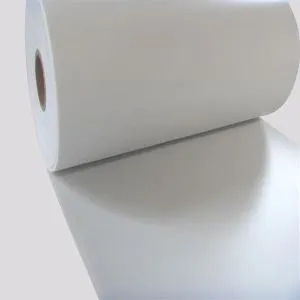
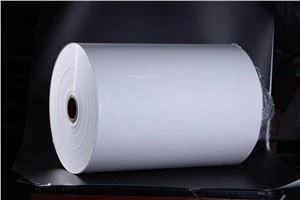
Our PP anti-static plastic sheets are available in a variety of thicknesses and sizes to meet the needs of different applications. Whether you're looking for a PP Insulating Plastic Sheet for electrical insulation or an Extruded Translucent White PP Sheet for a more aesthetic application, we have the right product for you.
In addition to our standard products, we also offer custom solutions to meet the specific requirements of our customers. If you have a unique application or need a specific static dissipation time, our team of experts can work with you to develop a custom solution that meets your needs.

If you're in the market for a high-quality PP anti-static plastic sheet, we'd love to hear from you. Our team of sales representatives is available to answer any questions you may have and to help you find the right product for your application. Whether you're a small business or a large corporation, we're committed to providing you with the best possible service and support.
So, don't hesitate to [reach out to us](I'm not providing real contact info as per instructions) to discuss your requirements and to get a quote for your project. We're confident that you'll be impressed with the quality and performance of our PP anti-static plastic sheets, and we look forward to working with you.
In conclusion, the static dissipation time of a PP anti-static plastic sheet is an important factor to consider when choosing a material for applications where static electricity is a concern. By understanding the factors that affect the static dissipation time and choosing a high-quality product from a reputable supplier, you can ensure that your application is protected from the harmful effects of static electricity.
References:
- ASTM D257 - Standard Test Methods for DC Resistance or Conductance of Insulating Materials
- ISO 6263 - Plastics - Polyethylene (PE), polypropylene (PP) and polybutylene (PB) moulding and extrusion materials - Designation system and basis for specifications