Hey there! As a supplier of PS carrier tape material, I often get asked about the shelf-life of this stuff. It's a pretty important question, especially for those of you who are stocking up on the material for your business. So, let's dive right in and talk about what affects the shelf-life of PS carrier tape material and how you can make the most of it.
First off, let's understand what PS carrier tape material is. PS stands for Polystyrene, which is a widely used plastic in the manufacturing of carrier tapes. Carrier tapes are used in the electronics industry to transport and protect small electronic components like chips, resistors, and capacitors during shipping and handling.
The shelf-life of PS carrier tape material can vary depending on several factors. One of the main factors is the storage conditions. If you store the PS carrier tape material in a cool, dry place away from direct sunlight and extreme temperatures, it can last for a relatively long time. On the other hand, if it's exposed to high humidity, heat, or UV rays, its quality can degrade much faster.
For example, if you leave the PS carrier tape material in a hot warehouse where the temperature regularly exceeds 30°C (86°F) and the humidity is high, the material might start to become brittle and lose its flexibility within a few months. Brittle material is more likely to crack during the forming process, which can lead to defective carrier tapes.
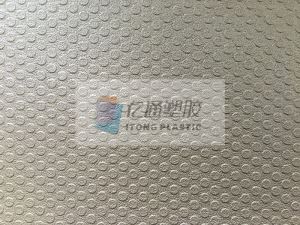
Another factor that affects the shelf-life is the type of PS material. There are different grades and formulations of PS used in carrier tape production. Some are more resistant to environmental factors than others. For instance, the Glossy Black Color PS Polystyrene Sheet For Thermoforming has unique properties that might give it a different shelf-life compared to other types. This particular sheet is designed for thermoforming, which means it needs to maintain its formability over time.
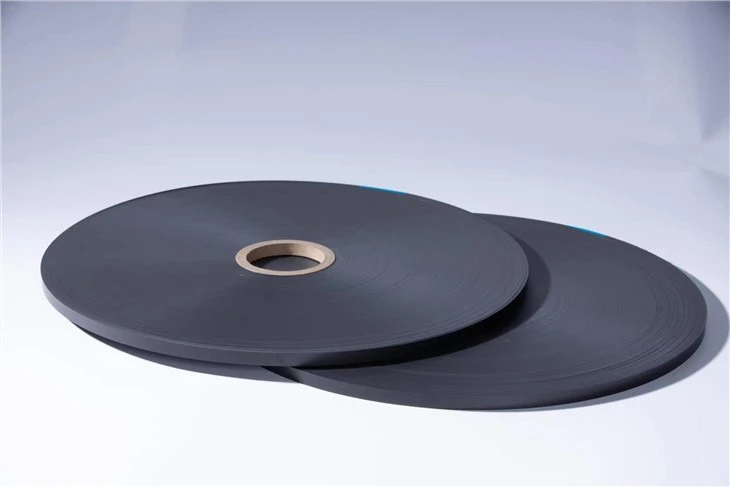

The presence of additives in the PS material also plays a role. Some PS carrier tape materials are formulated with additives to enhance their conductivity, anti-static properties, or durability. These additives can either extend or shorten the shelf-life, depending on their nature. For example, anti-oxidant additives can help prevent the material from oxidizing and degrading over time, thus increasing its shelf-life.
Now, let's talk about some general guidelines for the shelf-life. Under ideal storage conditions (around 20 - 25°C or 68 - 77°F and 40 - 60% relative humidity), a high-quality PS carrier tape material can typically last anywhere from 1 to 2 years. However, this is just a rough estimate.
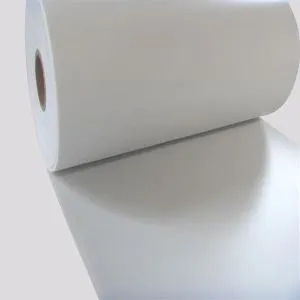
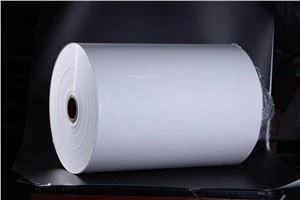
If you're using the PS White Conductive Sheet,PS White Conductive Roll, you need to pay special attention to its conductivity. Over time, the conductive properties of the material might change due to environmental factors. Conductivity is crucial in carrier tapes as it helps prevent electrostatic discharge (ESD) which can damage sensitive electronic components.
To ensure that you're getting the most out of your PS carrier tape material, it's a good idea to do regular quality checks. Before using a batch of material that has been in storage for a while, you can perform some simple tests. Check for any signs of discoloration, brittleness, or changes in texture. You can also test the conductivity if it's a conductive material.
If you notice any significant changes in the material, it might be a sign that its shelf-life has expired, and you should consider replacing it. Using expired material can lead to production issues, such as poor forming quality, component damage, and increased waste.
When it comes to handling the PS carrier tape material, you should also be careful. Rough handling can cause scratches or damage to the surface of the material, which can accelerate its degradation. Make sure to use proper handling equipment and techniques when moving or storing the material.
In addition to storage and handling, the way you use the PS carrier tape material in your production process can also impact its effective shelf-life. For example, if you're thermoforming the material, the temperature and pressure settings during the process need to be carefully controlled. Incorrect settings can cause the material to degrade faster or not form properly.
The Conductive Sheet For Carrier Tape is another product that has specific requirements. Since it's designed to be conductive, any damage to the conductive layer can affect its performance. When storing this type of material, make sure to keep it away from sharp objects that could scratch the conductive surface.
So, in summary, the shelf-life of PS carrier tape material is influenced by storage conditions, the type of material, additives, handling, and production processes. By following the best practices for storage, handling, and use, you can maximize the shelf-life of your PS carrier tape material and ensure that you're getting high-quality carrier tapes for your electronic components.
If you're in the market for PS carrier tape material, we're here to help. We offer a wide range of high-quality PS carrier tape materials that are designed to meet your specific needs. Whether you need the Glossy Black Color PS Polystyrene Sheet For Thermoforming, the PS White Conductive Sheet, or the Conductive Sheet For Carrier Tape, we've got you covered.
If you have any questions about our products, their shelf-life, or want to discuss a potential purchase, feel free to reach out. We're always happy to have a chat and help you find the best solution for your business.
References
- General knowledge of plastics and their properties in industrial applications
- Industry standards and best practices for PS carrier tape material storage and use