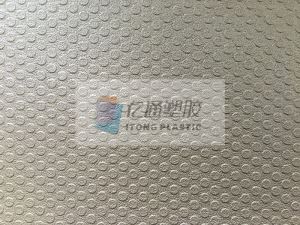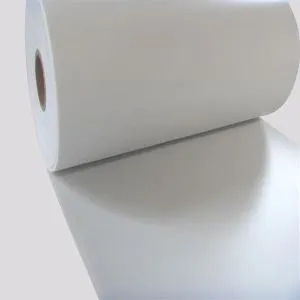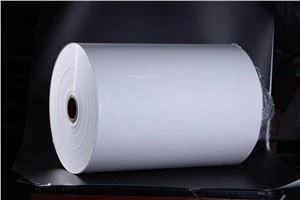
Optical clarity refers to the degree to which a material allows light to pass through it without significant scattering or distortion. In the context of blister plastic sheets, optical clarity is a crucial property that impacts both the aesthetic appeal and the functionality of the final product. As a leading supplier of blister plastic sheets, I understand the importance of this characteristic and its implications for various industries.
The Significance of Optical Clarity in Blister Plastic Sheets
Blister plastic sheets are widely used in packaging applications, where they serve to protect and display products. High optical clarity allows consumers to clearly see the product inside the blister pack, which is essential for marketing and sales. It enhances the visibility of the product, making it more attractive and easier to identify on the shelf. For example, in the cosmetics industry, clear blister packs showcase the colors and textures of makeup products, enticing customers to make a purchase.
Moreover, optical clarity is also important for quality control and inspection purposes. Manufacturers can easily detect any defects or impurities in the product through the clear blister plastic sheet. This helps to ensure that only high - quality products reach the market.
Factors Affecting the Optical Clarity of Blister Plastic Sheets
Material Selection
The type of plastic material used in the blister sheet significantly affects its optical clarity. Some of the commonly used plastics for blister packaging include Polyvinyl Chloride (PVC), Polyethylene Terephthalate (PET), and Polystyrene (PS).
PVC is known for its excellent optical clarity, flexibility, and good barrier properties. It provides a clear view of the product inside the blister pack. PET, on the other hand, offers high transparency, good mechanical strength, and is environmentally friendly. It is often used for food and pharmaceutical packaging due to its safety and clarity. PS is also a popular choice, especially for its cost - effectiveness and ease of thermoforming. Thermoforming ABS Sheet is another option that can be considered for applications where specific mechanical properties are required along with reasonable optical clarity.
Manufacturing Process
The manufacturing process of blister plastic sheets can have a profound impact on their optical clarity. Extrusion is a common method used to produce blister sheets. During extrusion, factors such as temperature, pressure, and the speed of the extrusion process need to be carefully controlled. If the temperature is too high, it can cause the plastic to degrade, resulting in a decrease in optical clarity. Similarly, improper pressure or speed can lead to uneven thickness or surface defects, which can also affect the clarity of the sheet.
Thermoforming is another important process in blister packaging production. During thermoforming, the plastic sheet is heated and formed into the desired shape. If the heating is not uniform, it can cause the sheet to warp or develop stress marks, reducing its optical clarity.
Additives and Fillers
Additives and fillers are often added to the plastic material to improve its properties. However, these can sometimes have a negative impact on the optical clarity of the blister plastic sheet. For example, flame retardants are commonly added to plastics for safety reasons. While PS Flame Retardant Plastic Sheet provides fire - resistant properties, some flame retardants can cause the plastic to become hazy or reduce its transparency. Anti - static agents and UV stabilizers can also affect the optical clarity if not properly formulated.
Measuring the Optical Clarity of Blister Plastic Sheets
There are several methods to measure the optical clarity of blister plastic sheets. One of the most common methods is the haze measurement. Haze is defined as the percentage of light that is scattered when passing through the plastic sheet. A lower haze value indicates higher optical clarity. Haze meters are used to measure this value accurately.
Another important parameter is the light transmittance, which measures the amount of light that passes through the plastic sheet. High light transmittance values are desirable for blister plastic sheets, as they indicate better clarity.
Improving the Optical Clarity of Blister Plastic Sheets
Material Optimization
As a supplier, we focus on using high - quality raw materials with inherent good optical properties. We carefully select the plastic resins and ensure that they meet strict quality standards. By working closely with our material suppliers, we can obtain plastics that are specifically formulated for high - clarity applications.
Process Control
We implement strict process control measures during the manufacturing of blister plastic sheets. Our extrusion and thermoforming processes are monitored continuously to ensure that all parameters are within the optimal range. This includes precise control of temperature, pressure, and speed. We also conduct regular quality checks at various stages of the production process to identify and correct any issues that may affect the optical clarity.
Surface Treatment
Surface treatment can also be used to improve the optical clarity of blister plastic sheets. For example, anti - scratch coatings can be applied to the surface of the sheet. These coatings not only protect the sheet from scratches but also enhance its smoothness, which can improve the overall clarity. Additionally, anti - fogging treatments can be used in applications where moisture may cause the sheet to become hazy.
Applications of Blister Plastic Sheets with High Optical Clarity
Food Packaging
In the food industry, blister plastic sheets with high optical clarity are widely used. They allow consumers to see the food product clearly, which is important for food safety and quality assurance. For example, clear blister packs are used for packaging fresh fruits, vegetables, and bakery items. The high clarity of the plastic sheet also helps to enhance the visual appeal of the food, making it more appealing to consumers.


Pharmaceutical Packaging
Pharmaceutical products require strict packaging standards to ensure their safety and efficacy. Blister plastic sheets with high optical clarity are used to package tablets, capsules, and other medications. The clear packaging allows pharmacists and patients to easily identify the product and check for any signs of damage or contamination.
Electronics Packaging
Electronics products are often packaged in blister plastic sheets. High - clarity sheets are used to protect delicate electronic components while also allowing for easy inspection. Dissipative HIPS Sheet For Thermoforming Tray can be used in applications where static electricity needs to be controlled, and at the same time, good optical clarity is required to view the electronic components.
Conclusion
The optical clarity of blister plastic sheets is a critical property that has a significant impact on the packaging industry. As a supplier, we are committed to providing high - quality blister plastic sheets with excellent optical clarity. We achieve this through careful material selection, strict process control, and continuous innovation.
If you are in need of blister plastic sheets for your packaging applications, we invite you to contact us for a detailed discussion. Our team of experts can help you select the most suitable blister plastic sheet based on your specific requirements. We look forward to working with you to meet your packaging needs.
References
- ASTM International. (20XX). Standard Test Methods for Haze and Luminous Transmittance of Transparent Plastics. ASTM D1003.
- Plastics Industry Association. (20XX). Handbook of Plastic Materials and Technology.