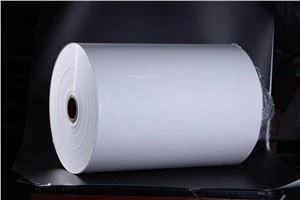
As a supplier of ABS carrier tape material, I often get asked about the melting point of this versatile product. Understanding the melting point of ABS carrier tape material is crucial for various applications, especially in the electronics industry where precision and reliability are paramount. In this blog post, I'll delve into the science behind the melting point of ABS carrier tape material, its significance, and how it impacts its use in different scenarios.
What is ABS Carrier Tape Material?
ABS, or Acrylonitrile Butadiene Styrene, is a common thermoplastic polymer known for its strength, rigidity, and good impact resistance. It's a terpolymer made by polymerizing styrene and acrylonitrile in the presence of polybutadiene. ABS carrier tape material is widely used in the electronics industry for packaging and transporting electronic components such as integrated circuits, resistors, and capacitors.
The carrier tape is designed with pockets to hold the components securely during handling, storage, and transportation. It's often used in conjunction with a cover tape that seals the pockets, protecting the components from contamination, damage, and static electricity.
The Melting Point of ABS Carrier Tape Material
The melting point of ABS carrier tape material typically ranges from 217°F to 230°F (103°C to 110°C). However, this can vary depending on the specific formulation of the ABS resin, the presence of additives, and the manufacturing process.


The melting point is an important characteristic because it determines the temperature at which the material transitions from a solid to a liquid state. This property is crucial in applications where the carrier tape may be exposed to high temperatures during processing or use. For example, in surface mount technology (SMT), the carrier tape is often subjected to reflow soldering processes where it can be exposed to temperatures well above the melting point of ABS.
Factors Affecting the Melting Point
Several factors can influence the melting point of ABS carrier tape material:
- Resin Composition: Different grades of ABS resin have different melting points. The ratio of acrylonitrile, butadiene, and styrene in the resin can affect its thermal properties. For example, a higher proportion of styrene may increase the melting point, while a higher proportion of butadiene may lower it.
- Additives: Additives such as plasticizers, stabilizers, and flame retardants can also affect the melting point. Plasticizers, for instance, can lower the melting point by increasing the flexibility of the polymer chains. On the other hand, flame retardants can increase the melting point by making the material more resistant to heat.
- Manufacturing Process: The manufacturing process can also have an impact on the melting point. For example, extrusion and injection molding processes can cause the polymer chains to align in different ways, affecting the material's thermal properties.
Significance of the Melting Point in Applications
The melting point of ABS carrier tape material is significant in several applications:
- Processing: In manufacturing processes such as injection molding and extrusion, the melting point determines the temperature at which the material can be processed. If the temperature is too low, the material may not flow properly, resulting in defects in the final product. If the temperature is too high, the material may degrade, losing its mechanical properties.
- End-Use Applications: In end-use applications, the melting point determines the maximum temperature the carrier tape can withstand without deforming or losing its integrity. For example, in automotive electronics, the carrier tape may be exposed to high temperatures under the hood. If the melting point is too low, the carrier tape may melt, causing the components to become loose or damaged.
- Compatibility with Other Materials: The melting point also affects the compatibility of the carrier tape with other materials used in the packaging and assembly process. For example, if the carrier tape is to be sealed with a cover tape using heat sealing, the melting point of the carrier tape must be compatible with the melting point of the cover tape to ensure a proper seal.
Types of ABS Carrier Tape Material and Their Melting Points
There are different types of ABS carrier tape material available, each with its own unique properties and melting points:
- Conductive Tri-Laminated PS: This type of carrier tape is designed to provide excellent static dissipation properties. It typically has a melting point similar to standard ABS carrier tape material, but the presence of conductive additives may slightly affect its thermal properties.
- Black Carrier Tape Material: Black carrier tape material is often used for applications where light sensitivity is a concern. The black color can block out light, protecting the components from photodegradation. The melting point of black carrier tape material is similar to that of standard ABS carrier tape material, but the presence of colorants and other additives may affect its thermal properties.
- Semitransparent ABS Carrier Tape Material: Semitransparent carrier tape material is useful for applications where visual inspection of the components is required. It has a melting point similar to standard ABS carrier tape material, but its transparency may be affected by high temperatures.
Ensuring the Quality of ABS Carrier Tape Material
As a supplier of ABS carrier tape material, we take several measures to ensure the quality and consistency of our products:
- Quality Control: We have a rigorous quality control system in place to ensure that our carrier tape material meets the highest standards. We test each batch of material for its melting point, mechanical properties, and other important characteristics to ensure that it meets the specifications of our customers.
- Research and Development: We invest in research and development to continuously improve the performance of our carrier tape material. We are constantly exploring new formulations and manufacturing processes to enhance the thermal properties, mechanical properties, and other characteristics of our products.
- Customer Support: We provide excellent customer support to our customers. Our team of experts is available to answer any questions you may have about our carrier tape material, including its melting point, applications, and compatibility with other materials.
Conclusion
The melting point of ABS carrier tape material is an important characteristic that determines its performance in various applications. Understanding the melting point and the factors that affect it is crucial for selecting the right carrier tape material for your specific needs.
As a supplier of ABS carrier tape material, we are committed to providing high-quality products that meet the needs of our customers. If you have any questions about our carrier tape material or would like to discuss your specific requirements, please feel free to contact us. We look forward to working with you to find the best solution for your application.
References
- "Engineering Thermoplastics: Properties and Applications", edited by Melvin P. Stevens
- "Plastics Technology Handbook", edited by Edward M. Petrie
- "Thermoplastics: Materials, Processing, and Applications", edited by John A. Brydson