Hey there! I'm a supplier of PS Semi - Conductive Sheets, and today I wanna chat about one of the most common questions I get: What is the maximum temperature PS Semi - Conductive Sheet can withstand?
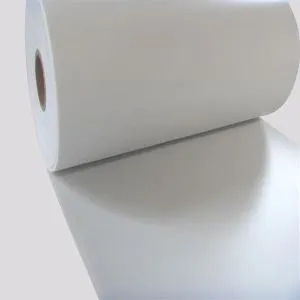
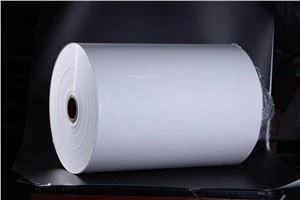
First off, let's understand what PS Semi - Conductive Sheets are. These sheets are made from polystyrene, which is a type of plastic. They have semi - conductive properties, which means they can conduct electricity to some extent. This makes them super useful in a bunch of industries, like electronics, packaging, and even some parts of the automotive industry.
Now, getting to the main question. The maximum temperature a PS Semi - Conductive Sheet can handle depends on a few factors. One of the big ones is the type of polystyrene used. There are different grades of polystyrene, and each has its own temperature limits.
For general - purpose PS Semi - Conductive Sheets, they usually start to soften at around 70 - 90 degrees Celsius (158 - 194 degrees Fahrenheit). When I say "soften," I mean the sheet will start to lose its shape and become more malleable. If you keep increasing the temperature, it'll eventually start to melt. And we definitely don't want that in most applications.

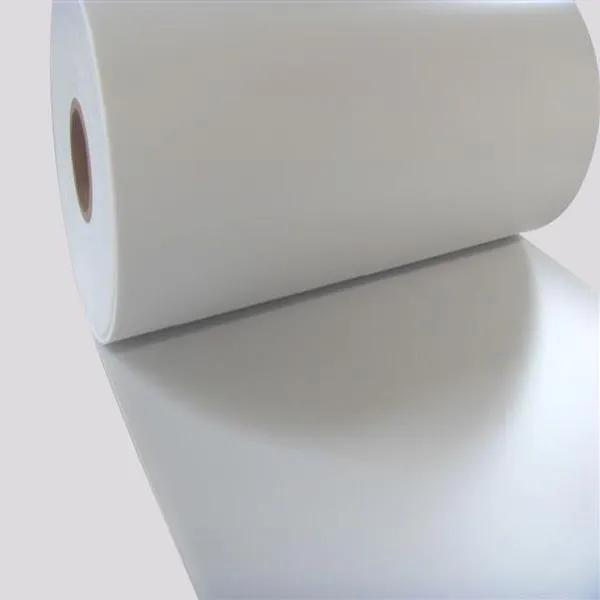
But here's the thing, if you're using a high - impact polystyrene (HIPS) version of the semi - conductive sheet, it can handle a bit more heat. HIPS is tougher and more durable than regular polystyrene. You can check out our HIPS Disspative Plastic Sheet for more details on this type. HIPS - based PS Semi - Conductive Sheets can typically withstand temperatures up to about 95 - 110 degrees Celsius (203 - 230 degrees Fahrenheit) before they start to show significant softening.
Another factor that affects the temperature resistance is the additives in the sheet. Sometimes, we add special chemicals or fillers to the polystyrene to enhance its properties. For example, some additives can improve the heat resistance of the sheet. If you're in need of a PS Semi - Conductive Sheet that can handle higher temperatures, we might be able to customize one for you with the right additives.
Now, in real - world applications, you've gotta be careful. Even if a sheet can technically withstand a certain temperature, it doesn't mean you should push it to the limit all the time. For instance, in electronics, if a PS Semi - Conductive Sheet is used as a protective layer or a housing for sensitive components, you don't want it to get too close to its softening point. Because even a little bit of softening can affect the fit and function of the components.
Let's talk about some specific applications and their temperature requirements. In the electronics industry, where these sheets are often used to prevent static electricity from damaging sensitive parts, the operating temperatures are usually relatively low. Most electronic devices operate at temperatures between 20 - 50 degrees Celsius (68 - 122 degrees Fahrenheit). So, a standard PS Semi - Conductive Sheet can work just fine in these conditions.
However, in some industrial applications, like in machinery or equipment that generate a lot of heat, you might need a more heat - resistant sheet. For example, if a machine has parts that reach temperatures up to 80 degrees Celsius (176 degrees Fahrenheit), you'd want to go for a HIPS - based or a specially - formulated PS Semi - Conductive Sheet.
We also offer other types of PS sheets, like the PS Black Matte Plastic Sheet and PS Natural Anitstatic. These sheets have their own unique properties, but they also have temperature limits similar to the ones I've mentioned for the semi - conductive sheets.
It's important to note that if you're unsure about which PS Semi - Conductive Sheet is right for your specific temperature requirements, just reach out to us. We've got a team of experts who can help you figure out the best solution for your needs.
In conclusion, the maximum temperature a PS Semi - Conductive Sheet can withstand varies depending on the type of polystyrene, the additives, and the application. But generally, you're looking at a range of 70 - 110 degrees Celsius (158 - 230 degrees Fahrenheit) for most common sheets.
If you're in the market for PS Semi - Conductive Sheets or have any questions about their temperature resistance or other properties, don't hesitate to contact us. We're here to help you find the perfect sheet for your project.
References:
- Polystyrene Material Science Handbook
- Industry Reports on Electronic Packaging Materials