Hey there! As a supplier of PS Natural Antistatic products, I often get asked about the electrical conductivity of PS Natural Antistatic. So, I thought I'd write this blog to share some insights on this topic.


First off, let's understand what PS Natural Antistatic is. Polystyrene (PS) is a common plastic used in a wide range of applications, from packaging to consumer goods. The natural antistatic version of PS has been specially formulated to reduce the buildup of static electricity. Static electricity can be a real pain in many industries. It can attract dust and dirt, cause damage to electronic components, and even lead to safety hazards in some cases. That's where PS Natural Antistatic comes in handy.
Now, onto the main question: what's the electrical conductivity of PS Natural Antistatic? Electrical conductivity is a measure of how easily an electric current can pass through a material. In the case of PS Natural Antistatic, its conductivity is relatively low compared to metals, but it's significantly higher than regular PS.
Regular PS is an insulator, which means it doesn't allow electric current to flow through it easily. The electrical conductivity of pure PS is extremely low, on the order of 10^-16 to 10^-18 S/m (siemens per meter). This low conductivity is what makes it a good choice for applications where electrical insulation is required.
However, PS Natural Antistatic has been modified to increase its conductivity. The exact conductivity can vary depending on the specific formulation and manufacturing process. Generally, the electrical conductivity of PS Natural Antistatic can range from 10^-6 to 10^-9 S/m. This increase in conductivity allows the material to dissipate static charges more effectively.
There are a few ways to achieve this increased conductivity in PS Natural Antistatic. One common method is to add antistatic agents during the manufacturing process. These agents can be either internal or external. Internal antistatic agents are incorporated into the polymer matrix during extrusion or molding. They work by migrating to the surface of the material and forming a thin layer that can conduct electricity. External antistatic agents are applied to the surface of the finished product. They can be in the form of sprays, coatings, or wipes.
Another way to enhance the conductivity of PS Natural Antistatic is by adding conductive fillers. These fillers can be carbon black, graphite, or metal particles. When added to the PS matrix, they create a conductive network that allows electric current to flow through the material. The amount and type of filler used can have a significant impact on the electrical conductivity of the final product.
The electrical conductivity of PS Natural Antistatic is important in many applications. For example, in the electronics industry, it's used to package sensitive electronic components. The low but sufficient conductivity helps to prevent static charges from building up and damaging the components. In the packaging industry, it's used to make containers and trays for products that are sensitive to static electricity, such as computer chips and electronic devices.
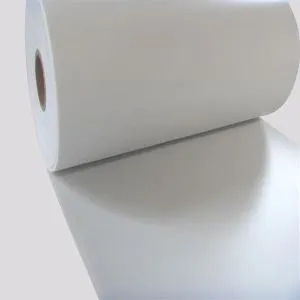
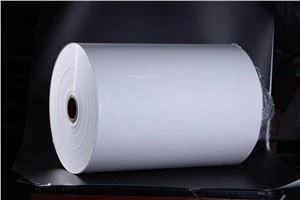
If you're in the market for PS Natural Antistatic products, we offer a variety of options. Check out our PS White Conductive Sheet, which is great for applications where a clean and white appearance is required. Our Dissipative PS Sheet is designed to effectively dissipate static charges, making it ideal for protecting electronic components. And for more specialized applications, our PP and IXPE Compound Plastic Sheet offers unique properties and performance.
In conclusion, the electrical conductivity of PS Natural Antistatic is a crucial property that makes it a valuable material in many industries. Its ability to dissipate static charges helps to protect products and ensure a safe working environment. If you're interested in learning more about our PS Natural Antistatic products or have any questions about their electrical conductivity, feel free to reach out to us. We're here to help you find the right solution for your needs.
References
- "Plastics Science and Technology" by John Murphy
- "Handbook of Polymer Science and Technology" edited by Herman F. Mark