What is the density of different carrier tape materials?
Carrier tapes are an essential part of the industrial packaging sector, especially when it comes to protecting and transporting small, delicate electronic components during manufacturing and shipping. The density of the carrier tape materials plays a crucial role in determining their physical properties, performance, and suitability for specific applications. As a leading provider of carrier tape materials, understanding the density of different materials allows us to offer tailored solutions to meet the diverse needs of our clients.
Polystyrene (PS) Carrier Tape Material
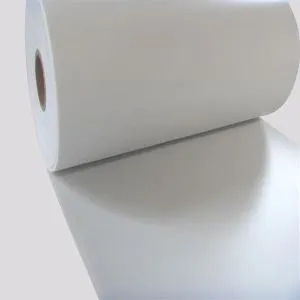
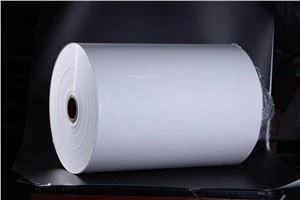
Polystyrene is one of the most commonly used materials for carrier tapes. Its widespread popularity is due to its transparency, good stiffness, and relatively low cost. The density of standard PS carrier tape material typically ranges between 1.04 - 1.06 g/cm³. This relatively low density makes PS carrier tapes lightweight, which is advantageous for reducing shipping costs and minimizing the overall weight of the assembled products.

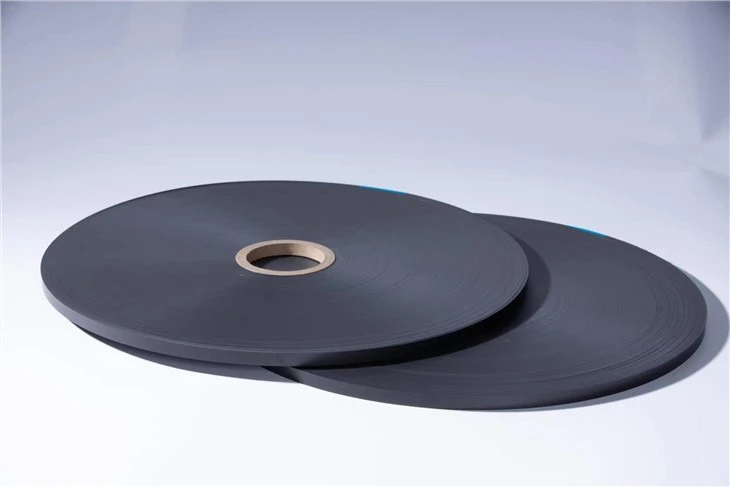
PS carrier tapes come in different forms, such as the PS Transparent Carrier Tape Material. The transparency of PS allows for easy visual inspection of the electronic components inside the carrier tape, which is indispensable in quality control processes. Additionally, the stiffness provided by the PS material ensures that the carrier tape retains its shape during handling and processing, preventing damage to the components.
Polycarbonate (PC) Carrier Tape Material
Polycarbonate is another high - performance material used in the production of carrier tapes. It is known for its exceptional impact resistance, heat resistance, and transparency. The density of PC carrier tape material is approximately 1.2 g/cm³, which is higher than that of PS. The higher density contributes to its robustness and durability.
PC carrier tapes are ideal for applications where the electronic components need protection from high - stress environments. For example, components used in automotive or aerospace applications may be subject to significant vibrations and shocks. The high - density PC carrier tapes can better withstand these conditions and safeguard the components. However, the higher density also means that PC carrier tapes are heavier than PS tapes, which may be a consideration in applications where weight is a critical factor.
Polypropylene (PP) Carrier Tape Material
Polypropylene is a versatile material with a density ranging from 0.89 - 0.91 g/cm³. Among the three commonly used carrier tape materials (PS, PC, and PP), PP has the lowest density. This low density gives PP carrier tapes excellent flexibility and lightweight characteristics.
PP carrier tapes are often used for applications that require a high degree of bendability and ease of handling. For example, in the packaging of flexible printed circuit boards (FPCs), the flexibility of PP carrier tapes allows them to conform to the shape of the FPCs without causing damage. The chemical resistance of PP is also a plus, as it can resist many common solvents and chemicals, making it suitable for use in various industrial environments.
The Importance of Density in Carrier Tape Selection
The density of carrier tape materials impacts several key aspects of their performance, which in turn influence the selection process for different applications.
Firstly, weight is a significant consideration. In industries where shipping costs are a substantial part of the overall expense, choosing a low - density carrier tape material like PS or PP can result in significant savings. For large - scale manufacturing operations, the cumulative effect of using lightweight carrier tapes can lead to substantial cost reductions over time.
Secondly, the physical properties of the carrier tape are closely related to its density. Higher - density materials like PC generally offer better mechanical strength and durability, which are essential for protecting components under harsh conditions. On the other hand, lower - density materials provide greater flexibility, which is beneficial for applications with irregularly shaped components.
Finally, the compatibility with other production processes is affected by the density. For example, in automated pick - and - place machines used in electronic assembly, the weight and stiffness of the carrier tape, which are related to its density, need to be carefully considered to ensure smooth operation.
Conductive Carrier Tape Materials
In addition to the standard carrier tape materials, conductive carrier tapes are used in applications where electrostatic discharge (ESD) protection is required. Conductive materials such as carbon - loaded polymers or metals are incorporated into the carrier tape structure.
The density of conductive carrier tape materials can vary widely depending on the type and amount of conductive filler used. For instance, carrier tapes with a thin layer of conductive coating may have a density similar to that of the base material, while carrier tapes made of carbon - filled polymers may have a slightly higher density. Conductive carrier tapes, such as the Conductive Sheet For Carrier Tape, are crucial for protecting sensitive electronic components from ESD damage during handling and transportation.
Other Considerations When Working with Carrier Tapes
Beyond density, other factors such as surface finish, flammability ratings, and regulatory compliance also play important roles in the selection of carrier tape materials. For example, in the electronics industry, carrier tapes must comply with strict environmental regulations such as RoHS (Restriction of Hazardous Substances).
The surface finish of the carrier tape can affect the adhesion of the cover tape, which is used to seal the components inside the carrier tape. A smooth and consistent surface finish ensures proper sealing and prevents the ingress of dust and moisture.
Conclusion
In conclusion, the density of different carrier tape materials is a key factor that influences their performance, suitability for various applications, and overall cost - effectiveness. At our company, we take pride in offering a wide range of carrier tape materials, from standard PS and PP tapes to high - performance PC tapes and conductive tapes. Whether you are in need of lightweight and flexible tapes for consumer electronics or robust and ESD - protected tapes for high - end industrial applications, we have the solutions to meet your requirements.
We provide the Carrier Tapes For Electronic Components Packaging with high - quality standards and a commitment to customer satisfaction. If you are interested in learning more about our carrier tape materials or would like to discuss potential partnerships, please feel free to reach out to us. We look forward to working with you to find the best carrier tape solutions for your business.
References
- Mallampati, S., & Choudhury, A. K. (2018). Advanced Polymers for Electronic Applications. Elsevier.
- Katz, H. E., Bao, Z., & Gilabert, J. A. (Eds.). (2017). Organic Thin - Film Transistors for Large - Area Electronics. Wiley.