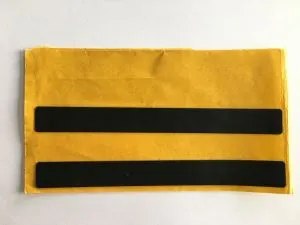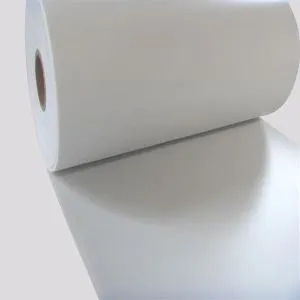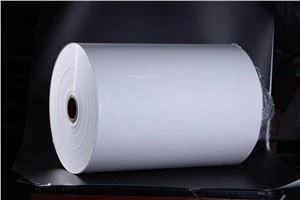
Aging resistance is a crucial property when it comes to sheet rubber, especially for applications where durability and long - term performance are essential. As a sheet rubber supplier, I've witnessed firsthand how the aging resistance of our products impacts our customers' projects. In this blog, I'll delve into what aging resistance in sheet rubber means, the factors that affect it, and how our offerings, such as the TPV Flame Retardant Sheet, TPE Sheet for Gasketing, and TPO Sheet for Foot Pad, stand up to the test of time.
What is Aging Resistance in Sheet Rubber?
Aging resistance refers to the ability of sheet rubber to maintain its physical, mechanical, and chemical properties over an extended period. When rubber ages, it can undergo a series of changes, including hardening, cracking, loss of elasticity, and reduced strength. These changes can significantly impact the performance of the rubber sheet, leading to premature failure in applications such as sealing, insulation, and cushioning.
The aging process in rubber is a complex phenomenon that involves both internal and external factors. Internally, the molecular structure of the rubber can change due to chemical reactions within the polymer chains. Externally, environmental factors such as heat, oxygen, ozone, ultraviolet (UV) radiation, moisture, and chemicals can accelerate the aging process.
Factors Affecting the Aging Resistance of Sheet Rubber
1. Polymer Type
Different types of polymers have varying degrees of aging resistance. For example, natural rubber (NR) is known for its excellent elasticity and mechanical properties but has relatively poor aging resistance, especially when exposed to heat, oxygen, and ozone. On the other hand, synthetic rubbers such as ethylene - propylene - diene monomer (EPDM), silicone rubber, and fluorocarbon rubber (FKM) generally have better aging resistance.
EPDM rubber has excellent resistance to heat, ozone, and weathering, making it suitable for outdoor applications such as roofing membranes and automotive seals. Silicone rubber has high thermal stability and good resistance to UV radiation and oxygen, making it ideal for high - temperature and aerospace applications. FKM rubber is highly resistant to chemicals, heat, and oil, which is commonly used in harsh chemical environments.
2. Additives
Additives play a crucial role in enhancing the aging resistance of sheet rubber. Antioxidants are commonly added to rubber formulations to prevent or slow down the oxidation process. They work by reacting with free radicals generated during the aging process, thus preventing the degradation of the polymer chains.
UV stabilizers are used to protect rubber from the harmful effects of UV radiation. They absorb or scatter UV light, preventing it from reaching the rubber surface and causing damage. Ozone protectants are added to rubber to prevent ozone cracking, which can occur when rubber is exposed to ozone in the atmosphere.
3. Environmental Conditions
The environment in which the sheet rubber is used has a significant impact on its aging resistance. High temperatures can accelerate the chemical reactions within the rubber, leading to faster aging. Oxygen and ozone in the air can react with the rubber, causing oxidation and cracking. UV radiation from the sun can break down the polymer chains, leading to loss of strength and elasticity.
Moisture can also affect the aging of rubber, especially if the rubber is in contact with water or high - humidity environments for an extended period. Chemicals such as acids, bases, solvents, and oils can also cause chemical degradation of the rubber, leading to changes in its properties.
Aging Resistance of Our Sheet Rubber Products
As a sheet rubber supplier, we offer a wide range of products with different levels of aging resistance to meet the diverse needs of our customers.
TPV Flame Retardant Sheet
Our TPV Flame Retardant Sheet is a thermoplastic vulcanizate (TPV) material that combines the properties of rubber and thermoplastics. It has excellent aging resistance, especially when it comes to heat and flame. The flame - retardant additives in the sheet prevent it from catching fire easily and reduce the spread of flames in case of a fire.
In addition to its flame - retardant properties, the TPV Flame Retardant Sheet also has good resistance to weathering, ozone, and UV radiation. This makes it suitable for applications where both fire safety and long - term durability are required, such as electrical enclosures and transportation components.
TPE Sheet for Gasketing
The TPE Sheet for Gasketing is made of thermoplastic elastomer (TPE), which has good aging resistance and excellent sealing properties. TPE materials have a unique combination of rubber - like elasticity and thermoplastic processability.
Our TPE sheet for gasketing is designed to maintain its sealing performance over a long period. It has good resistance to compression set, which means it can retain its shape and sealing force even after being compressed for an extended time. It also has good resistance to moisture, chemicals, and temperature variations, making it suitable for a wide range of gasketing applications, including automotive, industrial, and consumer products.
TPO Sheet for Foot Pad
The TPO Sheet for Foot Pad is made of thermoplastic olefin (TPO), which has good aging resistance and excellent cushioning properties. TPO is a lightweight and flexible material that is resistant to abrasion, impact, and weathering.
Our TPO sheet for foot pads is designed to provide long - lasting comfort and support. It can withstand repeated use and foot traffic without losing its elasticity or shape. The sheet also has good resistance to UV radiation and ozone, making it suitable for outdoor and indoor foot - related applications.
Testing the Aging Resistance of Sheet Rubber
To ensure the aging resistance of our sheet rubber products, we conduct a series of tests. One of the most common tests is the accelerated aging test, where the rubber samples are exposed to high temperatures, high humidity, and other environmental factors for a short period to simulate long - term aging.
We also test the physical and mechanical properties of the rubber samples before and after aging, including hardness, tensile strength, elongation at break, and compression set. By comparing the properties of the aged samples with the original samples, we can evaluate the degree of aging and determine the effectiveness of our aging - resistant formulations.
Importance of Aging Resistance in Applications
The aging resistance of sheet rubber is of utmost importance in various applications. In automotive applications, rubber seals and gaskets need to maintain their sealing performance over the lifetime of the vehicle. If the rubber ages and loses its elasticity, it can lead to leaks, which can cause engine problems and reduce fuel efficiency.
In construction applications, roofing membranes and waterproofing sheets need to withstand harsh weather conditions for many years. Poor aging resistance can lead to cracking and water leakage, which can damage the building structure and cause costly repairs.
In industrial applications, rubber components used in machinery and equipment need to maintain their mechanical properties to ensure smooth operation. Aging - induced changes in the rubber can lead to equipment failure and production downtime.


Conclusion
Aging resistance is a critical property of sheet rubber that determines its long - term performance and durability. As a sheet rubber supplier, we understand the importance of providing high - quality products with excellent aging resistance. Our products, such as the TPV Flame Retardant Sheet, TPE Sheet for Gasketing, and TPO Sheet for Foot Pad, are carefully formulated and tested to meet the diverse needs of our customers.
If you are looking for sheet rubber with excellent aging resistance for your specific application, we invite you to contact us for more information and to discuss your requirements. Our team of experts is ready to assist you in selecting the right product and providing you with the best solutions.
References
- "Rubber Technology: Compounding, Testing, and Applications" by Maurice Morton.
- "Handbook of Elastomers" edited by A. K. Bhowmick and H. L. Stephens.
- ASTM standards related to rubber aging testing.