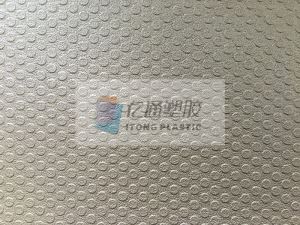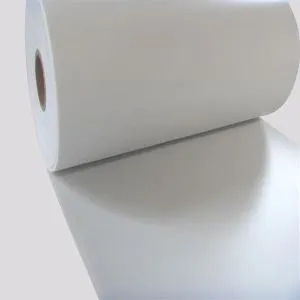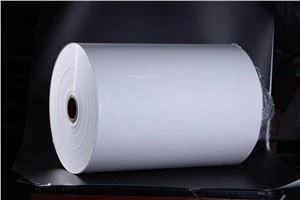
Surface smoothness is a critical factor in the quality and performance of PC (Polycarbonate) carrier tape material. As a supplier of PC carrier tape material, I understand the importance of meeting specific surface smoothness requirements to ensure the optimal functionality of our products. In this blog, I will delve into the surface smoothness requirements for PC carrier tape material, exploring why they matter and how we as a supplier ensure these standards are met.
Why Surface Smoothness Matters in PC Carrier Tape Material
PC carrier tape is widely used in the electronics industry for packaging and transporting small electronic components such as integrated circuits, resistors, and capacitors. The surface smoothness of the carrier tape directly impacts several aspects of its performance:
Component Protection
Smooth surfaces reduce the risk of scratches or damage to the delicate electronic components during handling and transportation. Rough surfaces can cause abrasion, which may lead to electrical shorts, malfunction, or reduced lifespan of the components. A smooth PC carrier tape provides a gentle and protective environment for the components, ensuring their integrity throughout the supply chain.
Feeding and Indexing
In automated assembly processes, PC carrier tapes are fed through high - speed equipment. A smooth surface allows for consistent and reliable feeding and indexing of the tape. Rough surfaces can cause jams, misalignments, or uneven movement, which disrupt the assembly line and reduce production efficiency. Smooth tapes ensure seamless operation, minimizing downtime and increasing productivity.
Static Control
Many PC carrier tapes are designed to have anti - static properties to prevent electrostatic discharge (ESD) that can damage electronic components. A smooth surface helps in maintaining the effectiveness of the anti - static treatment. Irregularities on the surface can disrupt the distribution of the anti - static coating, leading to areas with higher static buildup and an increased risk of ESD events.
Surface Smoothness Requirements
The surface smoothness requirements for PC carrier tape material are typically defined by specific parameters, such as Ra (arithmetical mean deviation of the roughness profile) and Rz (mean roughness depth). These parameters are measured using surface profilometers or other precision measuring instruments.
Ra Values
The Ra value represents the average deviation of the surface profile from the mean line within a specified sampling length. For PC carrier tape material, a lower Ra value indicates a smoother surface. In general, the Ra value for high - quality PC carrier tapes should be in the range of 0.05 to 0.2 micrometers. This level of smoothness ensures that the tape provides a gentle surface for component protection and reliable operation in automated equipment.
Rz Values
The Rz value measures the average height difference between the five highest peaks and the five deepest valleys within a sampling length. Similar to Ra, a lower Rz value is desirable for PC carrier tape material. Rz values for PC carrier tapes usually range from 0.5 to 2 micrometers. This parameter helps in ensuring that there are no large - scale surface irregularities that could cause problems during component handling or tape feeding.
Factors Affecting Surface Smoothness
Several factors can influence the surface smoothness of PC carrier tape material during the manufacturing process:
Raw Material Quality
The quality of the polycarbonate resin used as the base material plays a crucial role. High - purity resins with consistent molecular structures tend to produce smoother surfaces. Impurities or variations in the resin can lead to surface defects such as pits, bumps, or streaks. As a supplier, we carefully select high - quality raw materials from trusted PC Sheets Manufacturers to ensure the starting material has the potential for a smooth surface.
Extrusion Process
The extrusion process is a key step in manufacturing PC carrier tapes. The temperature, pressure, and speed settings during extrusion can significantly affect the surface smoothness. If the extrusion temperature is too high, the material may degrade, leading to a rough surface. On the other hand, if the temperature is too low, the material may not flow evenly, resulting in uneven surfaces. Precise control of the extrusion parameters is essential to achieve the desired surface smoothness.


Calendering and Finishing
Calendering is a process used to further smooth and shape the PC carrier tape after extrusion. The pressure and speed of the calendering rolls, as well as the surface finish of the rolls themselves, can impact the final surface smoothness of the tape. Additionally, any post - extrusion finishing processes, such as coating or polishing, need to be carefully controlled to avoid introducing new surface irregularities.
How Our Company Ensures Surface Smoothness
As a PC carrier tape material supplier, we have implemented a comprehensive quality control system to ensure that our products meet the strict surface smoothness requirements:
Advanced Manufacturing Equipment
We invest in state - of - the - art extrusion and calendering equipment that allows for precise control of the manufacturing process. Our equipment is equipped with advanced sensors and control systems that monitor and adjust the process parameters in real - time to maintain consistent surface smoothness.
In - process Quality Checks
We conduct regular in - process quality checks using surface profilometers and other inspection tools. Samples are taken at various stages of the manufacturing process to ensure that the surface smoothness is within the specified range. Any deviations are immediately addressed by adjusting the process parameters.
Final Product Inspection
Before the products are shipped to our customers, we perform a final inspection of the PC carrier tapes. Each roll of tape is inspected for surface smoothness, as well as other quality parameters such as thickness, width, and anti - static properties. Only products that meet our strict quality standards are released for sale.
Product Range and Surface Smoothness
Our company offers a wide range of PC carrier tape materials, including PC Sheets Black and PC Monolayer Conductive Sheet Roll. All of our products are designed to meet the high surface smoothness requirements necessary for the electronics industry.
The PC Sheets Black are known for their excellent mechanical properties and surface finish. They provide a smooth and reliable surface for component packaging. The PC Monolayer Conductive Sheet Roll, on the other hand, combines the benefits of conductivity and smoothness. The smooth surface ensures proper contact with the components and the effectiveness of the conductive layer.
Conclusion
Surface smoothness is a vital characteristic of PC carrier tape material. It directly impacts component protection, feeding and indexing in automated processes, and static control. By understanding the specific surface smoothness requirements and implementing strict quality control measures, we as a supplier can provide high - quality PC carrier tape materials that meet the needs of the electronics industry.
If you are in the market for PC carrier tape material and have specific surface smoothness requirements, we encourage you to reach out to us. Our team of experts is ready to assist you in selecting the right product for your application and answering any questions you may have about our products. Contact us to start a procurement discussion and discover how our PC carrier tape materials can enhance your manufacturing processes.
References
- ISO 4287: Geometrical product specifications (GPS) - Surface texture: Profile method - Terms, definitions and surface texture parameters.
- ASTM D7127: Standard Test Method for Measurement of Surface Roughness of Coated Fabrics.