In the realm of plastic materials, polystyrene (PS) has long been a staple due to its versatility, affordability, and ease of processing. Our company is a leading supplier of PS Natural Antistatic products, offering a range of solutions that meet diverse industrial needs. One common question that arises in the market is whether PS Natural Antistatic is water - soluble. In this blog, we will delve into the scientific aspects of this query and explore the properties of our PS Natural Antistatic products.
Understanding PS and Antistatic Properties
Polystyrene is a synthetic aromatic hydrocarbon polymer made from the monomer styrene. It is known for its rigid and brittle nature, high transparency, and good insulation properties. However, these insulation properties also make it prone to static electricity buildup. Static electricity can cause a variety of problems in industrial applications, such as attracting dust and debris, interfering with electronic components, and even causing electrostatic discharge (ESD) that can damage sensitive equipment.
To address these issues, antistatic agents are added to PS. Antistatic agents work by either reducing the surface resistance of the plastic or by absorbing moisture from the air to create a conductive layer on the surface. This allows static charges to dissipate more easily, preventing the buildup of static electricity.
Water - Solubility of PS Natural Antistatic
PS itself is not water - soluble. Polystyrene is a hydrophobic polymer, which means it has a strong aversion to water. Its molecular structure consists of long chains of carbon and hydrogen atoms, with relatively weak intermolecular forces between the chains. These non - polar chains do not interact well with the polar water molecules, making PS insoluble in water.
When it comes to PS Natural Antistatic, the antistatic agents used can vary in their water - solubility. Some antistatic agents are water - soluble, while others are not. The choice of antistatic agent depends on the specific application requirements.


For example, in applications where the plastic needs to be cleaned frequently with water or in a wet environment, a water - soluble antistatic agent may not be the best choice. This is because the water - soluble antistatic agent may be washed away during cleaning, reducing its effectiveness over time. On the other hand, in applications where the plastic is used in a dry environment and does not come into contact with water, a water - soluble antistatic agent may be sufficient.
Our PS Natural Antistatic products are formulated with carefully selected antistatic agents to ensure optimal performance. We offer both water - soluble and non - water - soluble options to meet the different needs of our customers.
Applications of PS Natural Antistatic Products
Our PS Natural Antistatic products have a wide range of applications across various industries.
Electronics Industry
In the electronics industry, static electricity can cause serious damage to sensitive electronic components. Our PS Natural Antistatic products are used to manufacture Thermoformed Plastic Trays for transporting and storing electronic parts. These trays help to prevent static charges from building up and protect the components from ESD.
Packaging Industry
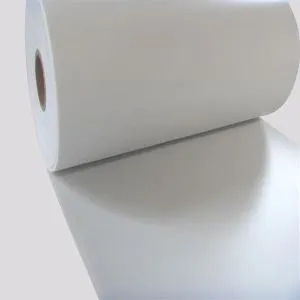
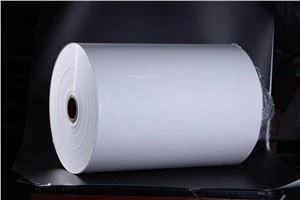
The packaging industry also benefits from our PS Natural Antistatic products. Multi - layer PS Conductive Sheet](/thermoforming-plastic-sheet/hips-thermoforming-plastic-sheet/multi-layer-ps-conductive-sheet.html) can be used to package products that are sensitive to static electricity, such as electronic devices, medical equipment, and food products. The antistatic properties of the sheet help to keep the products clean and free from dust and debris.
Green Packaging
With the increasing demand for sustainable packaging solutions, our Green HIPS Sheet Plastic Sheet is a popular choice. It is made from high - impact polystyrene (HIPS) with natural antistatic properties, making it an environmentally friendly alternative to traditional plastic packaging.
Quality and Performance of Our Products
As a PS Natural Antistatic supplier, we are committed to providing high - quality products. Our products undergo rigorous testing to ensure that they meet the highest standards of performance and reliability.
We use advanced manufacturing processes to ensure the uniform distribution of antistatic agents in the PS matrix. This results in consistent antistatic performance across the entire product. Our products also have excellent mechanical properties, such as high impact resistance and good stiffness, making them suitable for a wide range of applications.
Technical Support and Customization
We understand that every customer has unique requirements. That's why we offer technical support to help our customers choose the right PS Natural Antistatic product for their specific application. Our team of experts can provide advice on product selection, processing parameters, and antistatic performance.
In addition, we offer customization services. We can adjust the formulation of our PS Natural Antistatic products to meet the specific needs of our customers, such as different levels of antistatic performance, color requirements, and mechanical properties.
Conclusion
In conclusion, while PS itself is not water - soluble, the water - solubility of PS Natural Antistatic depends on the type of antistatic agent used. Our company offers a range of PS Natural Antistatic products with both water - soluble and non - water - soluble options to meet the diverse needs of our customers.
Our products are widely used in the electronics, packaging, and other industries, providing effective solutions for static electricity problems. With our commitment to quality, technical support, and customization services, we are the ideal partner for your PS Natural Antistatic needs.
If you are interested in our PS Natural Antistatic products or would like to discuss your specific requirements, please feel free to contact us. We look forward to working with you to find the best solution for your business.
References
- "Plastics Technology Handbook", Third Edition, edited by James F. Carley.
- "Antistatic Agents for Polymers", by R. D. Deanin and J. B. Kometani.
- Industry reports on the use of PS in electronics and packaging applications.