Hey there! As a supplier of PC carrier tape material, I often get asked whether our product is suitable for use in oil-rich environments. It's a valid concern, especially considering the unique challenges that such environments present. In this blog post, I'll share some insights based on my experience and knowledge to help you figure out if PC carrier tape material is a good fit for your oil-rich applications.
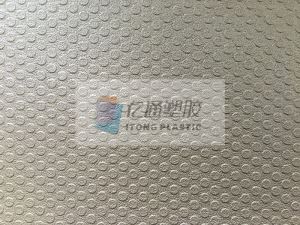
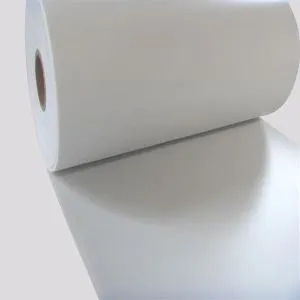
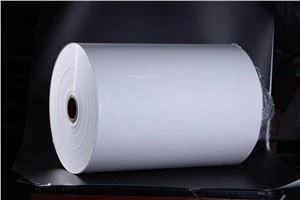
First off, let's talk a bit about what PC carrier tape material is. PC, or polycarbonate, is a type of plastic known for its high strength, transparency, and good electrical insulation properties. Our PC Plastic Sheet and PC Monolayer Conductive Sheet Roll are made from this excellent material. These products are commonly used in the electronics industry to protect and transport sensitive components during manufacturing, assembly, and storage.
Now, let's dive into the question of using PC carrier tape material in oil-rich environments. One of the main factors to consider is how polycarbonate reacts with oil. Generally speaking, PC has a certain level of resistance to many types of oils. Polycarbonate consists of long-chain polymer molecules that are tightly bonded together, which gives it some protection against the penetration of oil molecules. However, not all oils are created equal.
Mineral oils, which are derived from petroleum, can have different effects on PC carrier tape material depending on their composition and temperature. Some lighter mineral oils might have less impact on the physical and mechanical properties of PC in the short term. But over a long period of exposure, these oils can cause swelling, softening, or even chemical degradation of the polycarbonate. This is because the non-polar nature of mineral oils can interact with the polymer chains in PC, disrupting their structure and reducing the material's strength and stiffness.
On the other hand, synthetic oils, which are engineered for specific applications, can be more aggressive. Some synthetic oils are formulated with additives that enhance their performance, but these additives can also react with the PC carrier tape material. For example, certain additives might contain chemicals that can attack the polycarbonate matrix, leading to cracking or brittleness.
Temperature also plays a crucial role in the compatibility of PC carrier tape material with oil-rich environments. Higher temperatures can accelerate the chemical reactions between the oil and the polycarbonate. When the temperature rises, the molecular motion of both the oil and the PC increases, making it easier for the oil to penetrate the polymer structure. So, if your application involves high temperatures in addition to oil exposure, you need to be extra cautious.
Another aspect to think about is the duration of exposure. Short-term exposure to oil might not cause significant damage to the PC carrier tape material. However, if the carrier tape is constantly in contact with oil over an extended period, the cumulative effect can be quite severe. The material might start to lose its dimensional stability, and its mechanical properties can deteriorate to the point where it can no longer provide adequate protection for the components it's supposed to carry.
Despite these potential challenges, there are situations where PC carrier tape material can still be used effectively in oil-rich environments. For instance, if the oil exposure is minimal and the temperature is relatively low, our Polycarbonate Carrier Tape Material can withstand the conditions. Additionally, if proper protective measures are taken, such as using a coating or a barrier layer on the carrier tape, it can enhance the resistance of the PC to oil.
We've conducted some in-house tests to evaluate the performance of our PC carrier tape material in oil-rich conditions. These tests involved exposing samples of our carrier tape to different types of oils at various temperatures and for different durations. The results showed that while there was some degradation in the material over time, it was still possible to use the carrier tape in certain low-risk oil applications. However, it's important to note that these tests were conducted under controlled laboratory conditions, and real-world scenarios might be more complex.
So, how can you determine if PC carrier tape material is suitable for your specific oil-rich environment? The first step is to thoroughly understand the nature of the oil involved. You need to know its composition, viscosity, and any additives it might contain. Additionally, consider the temperature, humidity, and duration of exposure in your application. If you're unsure, it's a good idea to request samples from us and conduct your own tests. We're more than happy to provide you with samples so that you can evaluate the performance of our PC carrier tape material in your actual working conditions.
In conclusion, while PC carrier tape material has some level of resistance to oil, it might not be suitable for all oil-rich environments. It depends on a variety of factors, including the type of oil, temperature, and duration of exposure. But don't let that discourage you! We're here to help you find the best solution for your needs. Whether you're in the electronics industry or any other field that requires a reliable carrier tape for components, we can work with you to determine if our PC carrier tape material is the right choice for your oil-related applications.
If you're interested in learning more about our products or discussing how they can fit into your specific requirements, don't hesitate to reach out. We're keen to have a conversation with you and help you make an informed decision. Just drop us a line, and we'll be in touch to start the process of discussing potential purchases and collaborations.


Let's find the perfect PC carrier tape material for your oil-rich environment together!
References
- General knowledge of polymer science and the properties of polycarbonate
- In-house test results on PC carrier tape material in oil-rich conditions