As a seasoned supplier of ESD HIPS Black Sheet, I often encounter inquiries regarding its various properties, one of the most common being its resistance to salt spray. This is a crucial question, especially for industries where products are exposed to harsh, saline environments. In this blog, we'll delve into the science behind ESD HIPS Black Sheet and its performance in salt spray conditions.
Understanding ESD HIPS Black Sheet
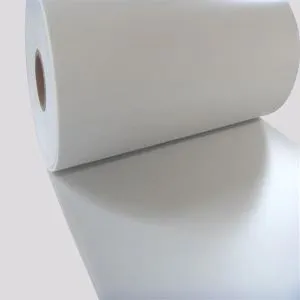
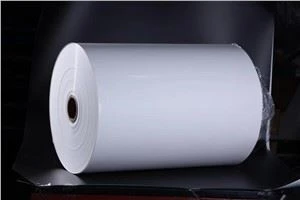
ESD HIPS Black Sheet is a specialized material with unique characteristics. HIPS, or High - Impact Polystyrene, is a thermoplastic known for its high impact strength, stiffness, and ease of processing. The "ESD" in ESD HIPS Black Sheet stands for Electro - Static Discharge. This means the material has been engineered to dissipate static electricity, making it ideal for applications where static buildup can cause damage, such as in the electronics industry. The black color is often a result of additives that can also enhance certain properties of the sheet.
Our company offers a range of related products, including Virgin HIPS Black, HIPS Black Conductive Sheet, and Conductive PS Material Sheet. These products share some similarities with ESD HIPS Black Sheet but may have different compositions and performance characteristics.
The Salt Spray Test
The salt spray test, also known as the salt fog test, is a standardized method used to evaluate the corrosion resistance of materials. In this test, specimens are exposed to a fine mist of saltwater in a controlled chamber. The saltwater typically has a concentration similar to that of seawater, usually around 5% sodium chloride solution. The test is conducted over a specific period, and the specimens are then examined for signs of corrosion, such as rust, pitting, or discoloration.
Factors Affecting Salt Spray Resistance of ESD HIPS Black Sheet
Chemical Composition
The base polymer of HIPS itself has some inherent resistance to chemical attack. However, the additives used to achieve ESD properties and the black color can have an impact on salt spray resistance. Some additives may react with the saltwater, leading to degradation of the material over time. For example, if the conductive additives are not well - protected within the polymer matrix, they may be more susceptible to corrosion.

Surface Finish
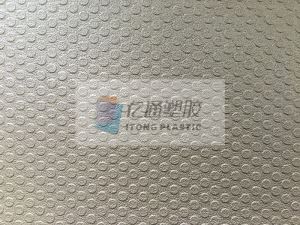
The surface finish of the ESD HIPS Black Sheet can also play a role in its salt spray resistance. A smooth surface is generally more resistant to salt spray as it is less likely to trap salt particles. Rough or porous surfaces can provide sites for salt to accumulate, which can then lead to accelerated corrosion.
Thickness of the Sheet
Thicker sheets may offer better salt spray resistance compared to thinner ones. A thicker sheet provides more material to withstand the corrosive effects of the salt spray. However, this also depends on the uniformity of the material throughout the thickness.
Experimental Results on Salt Spray Resistance
We have conducted several in - house salt spray tests on our ESD HIPS Black Sheet. In these tests, we exposed specimens of different thicknesses and surface finishes to a 5% sodium chloride salt spray for a period of 100 hours.
Visual Inspection
After the 100 - hour test, we visually inspected the specimens. In general, the specimens with a smooth surface finish showed less signs of degradation compared to those with a rough surface. There was minimal discoloration on the smooth - surfaced specimens, while the rough - surfaced ones had some small areas of white deposits, which could be an indication of salt accumulation and potential surface corrosion.
Physical Property Testing
We also conducted physical property tests on the specimens before and after the salt spray test. There was a slight decrease in the impact strength of the specimens, especially for the thinner sheets. However, the overall mechanical properties of the ESD HIPS Black Sheet remained relatively stable, indicating that it has a reasonable level of salt spray resistance.
Applications and Salt Spray Resistance
Electronics Industry
In the electronics industry, ESD HIPS Black Sheet is often used for packaging and enclosures. Products in this industry are not typically exposed to direct salt spray. However, in coastal areas or during transportation on ships, there is a risk of exposure to salt - laden air. Our test results suggest that the ESD HIPS Black Sheet can provide adequate protection against short - term exposure to salt spray, ensuring the integrity of the electronic components inside.
Automotive Industry
In the automotive industry, parts made from ESD HIPS Black Sheet may be exposed to salt spray during winter when roads are treated with salt. Our findings indicate that the material can withstand some exposure, but for long - term use in harsh winter conditions, additional protective coatings may be required.
Conclusion
Based on our in - house testing and analysis, ESD HIPS Black Sheet shows a reasonable level of resistance to salt spray. The chemical composition, surface finish, and thickness of the sheet all play important roles in determining its salt spray resistance. While it can withstand short - term exposure to salt spray in many applications, for more severe and long - term exposure, additional protective measures may be necessary.
If you are interested in learning more about our ESD HIPS Black Sheet or any of our related products such as Virgin HIPS Black, HIPS Black Conductive Sheet, and Conductive PS Material Sheet, we encourage you to contact us for a detailed discussion. We are more than happy to provide samples, technical data, and answer any questions you may have regarding the salt spray resistance or other properties of our products. Let's start a conversation about how our materials can meet your specific requirements.
References
- ASTM B117 - Standard Practice for Operating Salt Spray (Fog) Apparatus
- "Plastics Materials" by J. A. Brydson