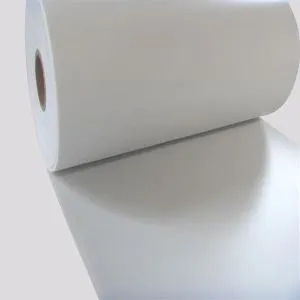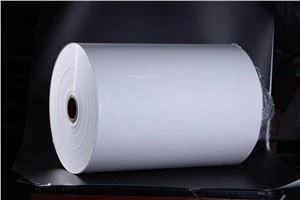
ESD HIPS Black Sheet, also known as Electro - Static Discharge High Impact Polystyrene Black Sheet, is a highly specialized material that has found widespread use in various industries. As a supplier of this product, I am often asked a crucial question: Is ESD HIPS Black Sheet resistant to ozone? In this blog post, we will delve into this topic, exploring the scientific aspects and real - world implications of ozone resistance in ESD HIPS Black Sheet.
Understanding ESD HIPS Black Sheet
ESD HIPS Black Sheet is a form of High Impact Polystyrene (HIPS) that has been engineered to possess electro - static discharge properties. HIPS, by its nature, is a tough and impact - resistant thermoplastic. The addition of anti - static agents enables the sheet to dissipate static electricity, making it an ideal choice for applications where static build - up can cause damage or malfunction, such as in the electronics and semiconductor industries. The black color can be attributed to the addition of carbon black, which also contributes to its conductivity.
The Nature of Ozone
Ozone (O₃) is a highly reactive gas composed of three oxygen atoms. It is a strong oxidizing agent, which means it has a high tendency to react with other substances, causing them to undergo oxidation. Ozone can be found in the Earth's upper atmosphere, where it plays a vital role in absorbing ultraviolet radiation from the sun. However, at ground - level, ozone is considered a pollutant and is often formed through chemical reactions between nitrogen oxides (NOₓ) and volatile organic compounds (VOCs) in the presence of sunlight.
Scientific Mechanisms of Ozone Aging in Polymers
When polymers come into contact with ozone, a series of chemical reactions can occur. Ozone attacks the double bonds in the polymer chains, leading to chain scission, cross - linking, and the formation of new chemical functional groups. These reactions can cause a range of physical and chemical changes in the polymer, including surface cracking, loss of mechanical properties (such as reduced tensile strength and flexibility), and discoloration.


In the case of HIPS, the rubbery phase in the polymer matrix is particularly susceptible to ozone attack. The unsaturated bonds in the rubber particles react with ozone molecules, initiating a process of degradation. The addition of anti - static agents in ESD HIPS Black Sheet may also influence its ozone resistance. Some anti - static additives can act as antioxidants and may provide some level of protection against ozone, while others may have no significant effect or could potentially even accelerate the degradation process under certain conditions.
Research on Ozone Resistance of ESD HIPS Black Sheet
There has been relatively limited research specifically focused on the ozone resistance of ESD HIPS Black Sheet. However, studies on general HIPS and other similar polymers can provide some insights. Laboratory tests involving ozone exposure chambers are commonly used to assess the ozone resistance of materials. Samples of ESD HIPS Black Sheet are exposed to a controlled ozone environment at a specified concentration and temperature for a set period of time. After exposure, the samples are analyzed for changes in appearance, mechanical properties, and chemical composition.
Based on these types of tests, it has been found that the ozone resistance of HIPS can be improved through the addition of certain stabilizers and antioxidants. These additives work by scavenging free radicals generated during the ozone - polymer reaction, thus preventing or slowing down the degradation process. However, the effectiveness of these additives in ESD HIPS Black Sheet may vary depending on the specific formulation and the concentration of the anti - static agents.
Real - World Applications and Ozone Exposure
In real - world applications, ESD HIPS Black Sheet may be exposed to ozone in different environments. For example, in some industrial settings, there may be ozone generated as a by - product of certain manufacturing processes. In outdoor applications, although the concentration of ozone at ground - level is generally lower than in industrial areas, long - term exposure can still have an impact on the material.
If ESD HIPS Black Sheet is used in applications where ozone exposure is a concern, it is essential to consider its ozone resistance. For instance, in the packaging of electronic components, if the packaging material is not ozone - resistant, the degradation of the material over time could potentially lead to the release of particles or a change in the mechanical integrity of the package, which could in turn affect the protection of the electronic components.
Comparison with Other Conductive Sheets
In the market of conductive sheets, there are several alternatives to ESD HIPS Black Sheet. For example, PS White Conductive Sheet, HIPS Conductive Plastic Sheet, and Multi - layer PS Conductive Sheet all have their own characteristics. The ozone resistance of these sheets may also vary depending on their material composition and manufacturing processes.
Comparatively, ESD HIPS Black Sheet offers a good balance between impact resistance, conductivity, and cost. However, in terms of ozone resistance, further research may be needed to determine how it stacks up against these other options.
Improving Ozone Resistance in ESD HIPS Black Sheet
As a supplier, we are constantly exploring ways to improve the ozone resistance of our ESD HIPS Black Sheet. One approach is to optimize the formulation of the anti - static agents and additives. By carefully selecting stabilizers and antioxidants that are compatible with the HIPS matrix and the anti - static system, we can enhance the material's ability to withstand ozone exposure.
Another method is to modify the manufacturing process. For example, controlling the extrusion conditions and the cooling rate during the sheet production can affect the molecular structure of the HIPS, which may have an impact on its ozone resistance.
Conclusion and Call to Action
In conclusion, while ESD HIPS Black Sheet has many useful properties for a wide range of applications, its ozone resistance is a topic that requires further study and attention. The scientific evidence suggests that with proper formulation and manufacturing processes, it is possible to improve its ability to resist ozone degradation.
If you are in the market for ESD HIPS Black Sheet or interested in learning more about its properties, including ozone resistance, we encourage you to contact us for a detailed discussion. Our team of experts is ready to provide you with in - depth information and help you select the most suitable product for your specific needs. Whether you are working in the electronics industry, packaging, or any other field where static control and material durability are crucial, we can offer customized solutions.
References
- Jenkins, A. D., & Ledwith, A. (1997). Reactivity in polymer chemistry. Wiley.
- Tortora, G. P., & Christiansen, S. M. (2008). Handbook of polymer science and technology. CRC Press.
- ASTM D1171 - 07(2016). Standard Test Method for Rubber Deterioration—Cracking in an Ozone - Containing Atmosphere.