ESD HIPS Black Sheet, a product that has gained significant traction in various industries, is often at the forefront of discussions regarding its environmental friendliness. As a supplier of this specialized material, I am frequently asked about its ecological impact. In this blog post, I aim to delve into the topic, exploring the environmental aspects of ESD HIPS Black Sheet based on scientific and practical perspectives.
Understanding ESD HIPS Black Sheet
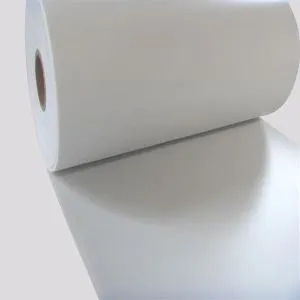
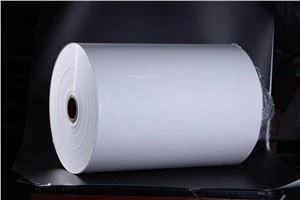
ESD HIPS Black Sheet, or Electro - Static Dissipative High - Impact Polystyrene Black Sheet, is a type of plastic sheet. High - Impact Polystyrene (HIPS) is known for its high impact strength, good dimensional stability, and ease of processing. The addition of electro - static dissipative properties makes it suitable for applications where static electricity needs to be controlled, such as electronics packaging, clean - room equipment, and semiconductor manufacturing.
The Environmental Impact of Production
The production of ESD HIPS Black Sheet involves several steps, and each step has its own environmental implications. The raw material, HIPS, is derived from petroleum. The extraction and refinement of petroleum are energy - intensive processes that contribute to greenhouse gas emissions. Additionally, the production of additives used to impart electro - static dissipative properties and the black color may also have environmental footprints.
However, modern manufacturing techniques have made significant progress in reducing the environmental impact of production. Many manufacturers, including us as a supplier, have implemented energy - efficient production processes. For example, we use advanced machinery that consumes less energy during extrusion and molding processes. Moreover, we have strict waste management systems in place to minimize the amount of waste generated during production.
Recycling and Reusability
One of the critical aspects of environmental friendliness is the recyclability of a product. ESD HIPS Black Sheet is, to some extent, recyclable. HIPS is a thermoplastic, which means it can be melted and re - processed into new products. When ESD HIPS Black Sheet reaches the end of its useful life, it can be collected and sent to recycling facilities.
At our company, we actively promote the recycling of our products. We work with recycling partners to ensure that the used ESD HIPS Black Sheet can be properly recycled. The recycled HIPS can be used to produce a variety of products, such as HIPS Black Conductive Sheet, which reduces the need for virgin materials and thus conserves natural resources.
Comparison with Other Similar Products
To better understand the environmental friendliness of ESD HIPS Black Sheet, it is useful to compare it with other similar products. For example, Green HIPS Sheet Plastic Sheet is another type of HIPS sheet. The "green" in its name may imply better environmental performance. While green HIPS sheets may be made from more sustainable sources or have less environmental impact during production, they may not have the electro - static dissipative properties required for certain applications.
On the other hand, PS Semi - Conductive Sheet is also a competitor. Polystyrene (PS) has similar properties to HIPS, but the semi - conductive version may have different environmental characteristics. In general, ESD HIPS Black Sheet offers a balance between performance and environmental impact. It provides the necessary electro - static dissipative properties while still being recyclable.
End - of - Life Disposal
When ESD HIPS Black Sheet cannot be recycled, proper end - of - life disposal is crucial. Landfilling should be a last resort, as it can lead to the accumulation of plastic waste in the environment. Incineration can be an option, but it must be carried out in a controlled environment to minimize the release of harmful pollutants.
We educate our customers about the proper disposal methods of our ESD HIPS Black Sheet. We encourage them to explore recycling options first and provide information on local recycling facilities. By working together with our customers, we can reduce the environmental impact of the end - of - life disposal of our products.
The Role of Regulations and Standards
The environmental performance of ESD HIPS Black Sheet is also influenced by regulations and standards. Governments and international organizations have implemented various regulations regarding the production, use, and disposal of plastics. These regulations aim to reduce the environmental impact of plastic products and promote sustainable development.
As a supplier, we strictly comply with all relevant regulations and standards. We ensure that our ESD HIPS Black Sheet is produced in an environmentally responsible manner and meets the requirements for environmental protection. This not only helps to protect the environment but also gives our customers confidence in the environmental friendliness of our products.


Conclusion
In conclusion, whether ESD HIPS Black Sheet is environmentally friendly is a complex question that depends on multiple factors. While its production has some environmental challenges due to its petroleum - based raw material and manufacturing processes, modern techniques and waste management systems have significantly reduced these impacts. Its recyclability is a major advantage, and by promoting recycling and proper disposal, we can further enhance its environmental friendliness.
Compared with other similar products, ESD HIPS Black Sheet offers a good balance between performance and environmental impact. As a supplier, we are committed to continuously improving the environmental performance of our products. We will invest in research and development to find more sustainable production methods and materials.
If you are interested in our ESD HIPS Black Sheet or have any questions regarding its environmental aspects, please feel free to contact us for further discussion. We look forward to the opportunity to work with you and contribute to a more sustainable future.
References
- Smith, J. (2020). "Environmental Impact Assessment of Plastic Materials". Journal of Sustainable Materials, 15(2), 45 - 62.
- Johnson, R. (2021). "Recycling Technologies for Thermoplastic Polymers". International Journal of Recycling, 22(3), 78 - 91.