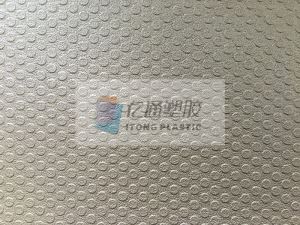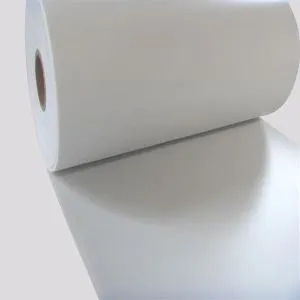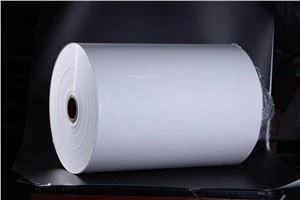
Hey there! As a supplier of PP Conductive Plastic Sheets, I often get asked about how to make these sheets flame-retardant. It's a crucial question, especially when you're dealing with applications where fire safety is a top concern. So, let's dive right into it.


First off, let's understand what we're working with. PP Conductive Plastic Sheets are known for their electrical conductivity, which makes them great for applications like electronic packaging, antistatic flooring, and more. But polypropylene (PP) on its own isn't the most fire-resistant material. It has a relatively low ignition temperature and can burn quite readily once ignited.
Why Make PP Conductive Plastic Sheets Flame-Retardant?
The reasons are pretty obvious. In many industries, especially those related to electronics and construction, fire safety is non-negotiable. If a fire breaks out in an area where PP Conductive Plastic Sheets are used, the sheets could fuel the fire, leading to more damage and potentially endangering lives. By making these sheets flame-retardant, we can significantly reduce the risk of fire spreading and minimize the damage caused.
Methods to Make PP Conductive Plastic Sheets Flame-Retardant
1. Adding Flame Retardant Additives
One of the most common ways to make PP Conductive Plastic Sheets flame-retardant is by adding flame retardant additives during the manufacturing process. There are different types of flame retardants available, and each has its own advantages and disadvantages.
- Halogenated Flame Retardants: These were widely used in the past because they are very effective at suppressing flames. However, they have come under scrutiny in recent years due to environmental and health concerns. When halogenated flame retardants burn, they can release toxic and corrosive gases. So, their use is being phased out in many applications.
- Non-Halogenated Flame Retardants: These are a more environmentally friendly alternative. They include phosphorus-based, nitrogen-based, and metal hydroxide flame retardants. Phosphorus-based flame retardants work by forming a char layer on the surface of the plastic when it's exposed to heat. This char layer acts as a barrier, preventing oxygen from reaching the plastic and reducing the spread of the fire. Nitrogen-based flame retardants release nitrogen gas when heated, which dilutes the oxygen around the plastic and helps to extinguish the flame. Metal hydroxide flame retardants, such as aluminum hydroxide and magnesium hydroxide, release water vapor when heated. The water vapor cools the plastic and dilutes the flammable gases, making it harder for the fire to spread.
2. Surface Treatment
Another method is to apply a flame-retardant coating to the surface of the PP Conductive Plastic Sheet. This can be done using various techniques, such as spraying, dipping, or laminating. The coating forms a protective layer on the surface of the sheet, which can prevent the plastic from igniting and slow down the spread of the fire.
Surface treatments can be a good option if you want to maintain the electrical conductivity of the sheet. Some flame-retardant coatings are designed to be conductive, so they won't interfere with the sheet's performance. However, the effectiveness of the coating can depend on factors such as the thickness of the coating, the quality of the application, and the type of flame retardant used.
3. Blending with Flame-Retardant Polymers
You can also make PP Conductive Plastic Sheets flame-retardant by blending the polypropylene with other flame-retardant polymers. For example, you could blend PP with a flame-retardant grade of polyethylene or polycarbonate. The flame-retardant polymer can help to improve the fire resistance of the PP Conductive Plastic Sheet.
However, blending polymers can be a bit tricky. You need to make sure that the polymers are compatible with each other and that the blend has the desired properties. If the polymers are not compatible, the blend may have poor mechanical properties or may not be electrically conductive.
Considerations When Making PP Conductive Plastic Sheets Flame-Retardant
- Electrical Conductivity: As a supplier of PP Conductive Plastic Sheets, I know that maintaining electrical conductivity is crucial. Some flame retardant additives or treatments can affect the electrical conductivity of the sheet. So, it's important to choose the right flame retardant and the right method of application to ensure that the sheet still meets the required electrical conductivity specifications.
- Mechanical Properties: Flame retardant additives or treatments can also affect the mechanical properties of the PP Conductive Plastic Sheet. For example, some flame retardants can make the sheet more brittle or reduce its impact strength. You need to consider these factors when choosing a flame retardant and designing the manufacturing process.
- Cost: Making PP Conductive Plastic Sheets flame-retardant can increase the cost of production. Flame retardant additives can be expensive, and the manufacturing process may require additional steps or equipment. You need to balance the cost of making the sheets flame-retardant with the benefits of improved fire safety.
Our Offerings
At our company, we offer a range of PP Flame Retardant Plastic Sheet options. We use the latest technology and high-quality flame retardant additives to ensure that our sheets meet the highest standards of fire safety without compromising on electrical conductivity or mechanical properties.
In addition to our flame-retardant sheets, we also supply PP Insulating Plastic Sheet and HDPE Sheet Film. These products are designed to meet the diverse needs of our customers in various industries.
If you're in the market for high-quality PP Conductive Plastic Sheets or other plastic sheets, we'd love to hear from you. Whether you have specific requirements for flame retardancy, electrical conductivity, or mechanical properties, we can work with you to find the right solution. Contact us today to start a conversation about your needs and how we can help you.
References
- "Flame Retardancy of Polymeric Materials" by Horrocks, A. R., & Price, D.
- "Plastics Additives: An A-Z Reference" by Zweifel, Hans, et al.
- "Handbook of Thermoplastics" by O. Olabisi.