Yo, what's up everyone! I'm a supplier of PP Natural Antistatic products, and today I wanna chat about how to make sure these products keep their antistatic game strong in the long run.
First off, let's get into what PP Natural Antistatic is. Polypropylene (PP) is a super common plastic. It's used in tons of stuff, from packaging to automotive parts. And when we add an antistatic property to it, it becomes even more useful. Antistatic PP helps prevent the buildup of static electricity, which can cause all sorts of problems like attracting dust, causing electrical interference, or even leading to sparks in some cases.
Now, why is long - term antistatic performance so important? Well, if you're using PP Natural Antistatic for, say, packaging sensitive electronic components, you don't want the antistatic effect to wear off quickly. Otherwise, those components could get zapped by static electricity during storage or transportation, and that's a big no - no.


1. Choosing the Right Antistatic Agent
The first step in ensuring long - term antistatic performance is picking the right antistatic agent. There are two main types: internal and external antistatic agents.
Internal antistatic agents are mixed into the PP resin during the manufacturing process. They migrate to the surface of the plastic over time, creating a thin layer that helps dissipate static charges. The key here is to choose an agent that has a good compatibility with PP. If the agent doesn't mix well with the resin, it might not migrate properly to the surface, or it could even cause the plastic to become brittle.
External antistatic agents, on the other hand, are applied to the surface of the finished PP product. They can provide an immediate antistatic effect, but they might not last as long as internal agents. You can think of them as a quick fix. But for long - term use, internal agents are usually the way to go.
2. Proper Manufacturing Process
The manufacturing process also plays a huge role in determining the long - term antistatic performance. When we're making PP Natural Antistatic products, we need to pay attention to things like temperature, pressure, and mixing time.
If the temperature is too high during the extrusion or molding process, it could break down the antistatic agent. This would reduce its effectiveness over time. Similarly, if the pressure is too low, the antistatic agent might not be evenly distributed throughout the plastic. And proper mixing time is crucial to ensure that the agent is well - incorporated into the resin.
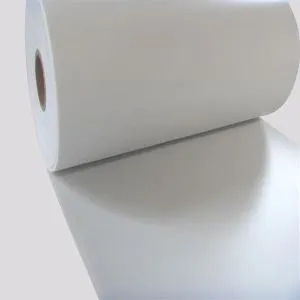
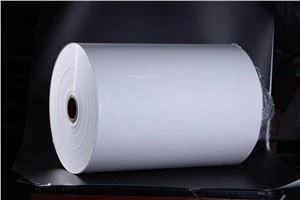
For example, when we're making Extruded Translucent White PP Sheet, we have to make sure that the antistatic agent is mixed evenly with the PP resin. This way, the sheet will have a consistent antistatic performance across its entire surface.
3. Environmental Factors
The environment where the PP Natural Antistatic products are used and stored can have a big impact on their antistatic performance. Humidity is one of the most important factors. Static electricity is more likely to build up in dry environments. So, if you're using PP Natural Antistatic products in a place with low humidity, you might need to take extra steps to maintain their antistatic properties.
One way to do this is by using a humidifier in the storage or working area. Another option is to choose an antistatic agent that is more effective in low - humidity conditions. Some antistatic agents are designed to work well even when the relative humidity is as low as 20%.
Temperature is another environmental factor. Extreme temperatures can also affect the performance of the antistatic agent. High temperatures can cause the agent to evaporate or degrade, while low temperatures can slow down its migration to the surface of the plastic. So, it's important to store and use PP Natural Antistatic products within a reasonable temperature range.
4. Surface Treatment and Maintenance
Proper surface treatment and maintenance can also help extend the long - term antistatic performance of PP Natural Antistatic products. For example, you can clean the surface of the plastic regularly to remove any dust or contaminants that might interfere with the antistatic effect.
But be careful when choosing a cleaning agent. Some harsh chemicals can damage the antistatic layer on the surface of the plastic. It's best to use a mild, non - abrasive cleaner. And make sure to dry the surface thoroughly after cleaning, as moisture can also affect the antistatic performance.
If you're using PP 5 Plastic for your products, you might also consider applying a protective coating. This can help prevent the antistatic layer from being damaged by scratches or abrasions.
5. Quality Control
Last but not least, quality control is essential. We need to test the antistatic performance of our PP Natural Antistatic products regularly. There are several ways to do this, such as using a surface resistance meter to measure the electrical resistance of the plastic surface.
We also need to test the products under different environmental conditions to make sure they can maintain their antistatic performance in real - world scenarios. By doing so, we can identify any potential issues early on and take corrective actions.
So, there you have it, folks! These are some of the key ways to ensure the long - term antistatic performance of PP Natural Antistatic products. Whether you're using PP Sheet For Blister Trays or other PP Natural Antistatic products, following these tips can help you get the most out of them.
If you're in the market for high - quality PP Natural Antistatic products, don't hesitate to reach out for a chat. We can talk about your specific needs and find the best solutions for you. Let's work together to make sure your products are protected from static electricity!
References
- Plastics Additives Handbook, 6th Edition, Hans Zweifel
- Polypropylene: Structure, Blends and Composites, Volumes 1 - 3, S. K. De and M. K. Misra