Bending PP conductive plastic sheets without causing damage requires a delicate balance of techniques and knowledge. As a supplier of high - quality PP conductive plastic sheets, I've had extensive experience in this area. In this blog, I'll share some valuable insights on how to achieve successful bends in these sheets.
Understanding PP Conductive Plastic Sheets
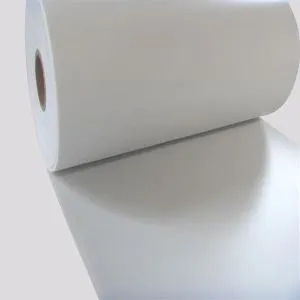
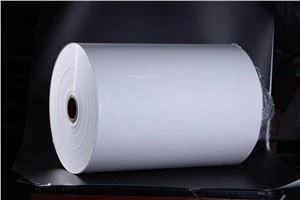
PP conductive plastic sheets are made from polypropylene (PP) with added conductive fillers. These fillers can be carbon black, carbon fibers, or other conductive materials. The resulting sheets have excellent electrical conductivity, which makes them suitable for applications in electronics, automotive, and packaging industries where static electricity dissipation is crucial.
The unique properties of PP conductive plastic sheets, such as their flexibility, chemical resistance, and lightweight nature, also present some challenges when it comes to bending. Unlike traditional plastics, the conductive fillers can affect the material's overall behavior during the bending process.
Pre - bending Preparation
1. Material Inspection
Before you start the bending process, it's essential to inspect the PP conductive plastic sheet. Look for any visible defects, such as scratches, cracks, or uneven surfaces. Defects can weaken the sheet and increase the risk of damage during bending. A smooth and defect - free surface ensures a more consistent bend.
2. Temperature Consideration
PP conductive plastic sheets are thermoplastic, which means their properties change with temperature. For most PP conductive plastic sheets, a slightly elevated temperature can make the material more pliable and easier to bend. However, it's important not to overheat the sheet, as this can cause the conductive fillers to degrade or the sheet to warp.
The ideal temperature for bending PP conductive plastic sheets typically ranges from 140°C to 160°C (284°F to 320°F). You can use a heat gun or an oven to heat the sheet evenly. If using a heat gun, keep it moving at a consistent speed to avoid overheating any one area. When using an oven, place the sheet on a flat surface and set the temperature according to the manufacturer's recommendations.
3. Tool Selection
The right tools are crucial for successful bending. A bending jig or a form can help you achieve a precise and uniform bend. The jig should be made of a material that can withstand the heat and pressure of the bending process. Aluminum or steel jigs are commonly used.
Additionally, you'll need a measuring tool, such as a ruler or a caliper, to ensure accurate measurements. A sharp utility knife can be used to make any necessary cuts or score lines on the sheet before bending.
Bending Techniques
1. Score and Bend Method
The score and bend method is a popular technique for bending PP conductive plastic sheets. First, use a sharp utility knife to make a shallow score line on the non - visible side of the sheet. The score line should be about one - third to one - half of the sheet's thickness.
Next, place the scored sheet on the bending jig. Apply gentle pressure along the score line while slowly bending the sheet to the desired angle. The score line acts as a guide, making it easier to achieve a clean and precise bend.
2. Hot Bending
Hot bending involves heating the entire sheet or the area to be bent to a specific temperature. Once the sheet reaches the appropriate temperature, carefully place it on the bending jig. Use a clamping mechanism to hold the sheet in place while it cools.
As the sheet cools, it will retain the bent shape. This method is suitable for more complex bends and larger sheets. However, it requires careful temperature control to prevent damage to the conductive properties of the sheet.
3. Cold Bending
Cold bending can be used for small - scale bends or when the sheet has a low thickness. In cold bending, you simply apply pressure to the sheet to bend it to the desired angle. However, this method is more likely to cause stress marks or cracks in the sheet, especially if the bend radius is too small.
To minimize the risk of damage during cold bending, you can pre - stretch the sheet slightly before bending. This can help relieve some of the internal stresses in the material.
Post - bending Finishing
1. Cooling
After bending, allow the sheet to cool slowly. Rapid cooling can cause internal stresses in the sheet, leading to warping or cracking. You can let the sheet cool naturally at room temperature or use a controlled cooling process, such as placing it in a cooling chamber.
2. Surface Treatment
Once the sheet has cooled, you may need to perform some surface treatment. Sanding the edges of the bend can smooth out any rough areas and improve the overall appearance of the sheet. You can also apply a protective coating to the bent area to enhance its durability and conductivity.
Troubleshooting
1. Cracking
If you notice cracks in the bent area, it could be due to several factors. Over - bending, insufficient heating, or a pre - existing defect in the sheet can all cause cracking. To fix this issue, you may need to start over with a new sheet. Make sure to adjust the bending process parameters, such as temperature and bend radius, to prevent future cracking.
2. Warping
Warping occurs when the sheet doesn't cool evenly or when it's overheated. To correct warping, you can try reheating the sheet slightly and then flattening it on a flat surface. Applying pressure while the sheet cools can also help to straighten it out.
3. Loss of Conductivity
If the conductivity of the bent area is reduced, it could be due to the displacement of conductive fillers during the bending process. In some cases, you may be able to restore the conductivity by applying a conductive coating to the bent area. However, it's best to prevent this issue by using proper bending techniques and maintaining the appropriate temperature.
Conclusion
Bending PP conductive plastic sheets without damage requires a combination of proper preparation, the right techniques, and careful post - bending finishing. By following the steps outlined in this blog, you can achieve high - quality bends in your PP conductive plastic sheets.
As a supplier of PP conductive plastic sheets, I offer a wide range of products, including PP Disspative Plastic Sheet, PP Sheet For Blister Trays, and PP Flame Retardant Plastic Sheet. Our sheets are made with high - quality materials and advanced manufacturing processes to ensure excellent conductivity and durability.
If you're interested in purchasing PP conductive plastic sheets or have any questions about the bending process, I encourage you to contact us for further discussion. We're here to help you find the best solutions for your specific needs.


References
- "Plastic Materials and Processing" by Donald R. Paul and Charles A. Han
- "Thermoplastics: Properties and Applications" by John Scheirs and T. E. Long