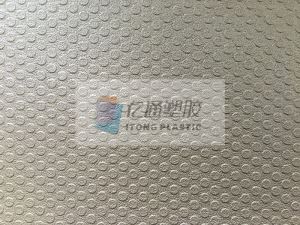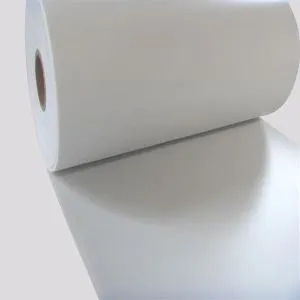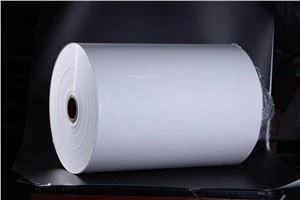
As a supplier of PP White Antistatic products, I've encountered numerous inquiries regarding the adjustment of the antistatic level of PP White Antistatic materials. In this blog post, I'll share some professional insights and practical methods to help you understand and adjust the antistatic level of these materials effectively.
Understanding the Basics of PP White Antistatic
PP, or polypropylene, is a widely used thermoplastic polymer known for its excellent chemical resistance, mechanical properties, and processability. The white antistatic version of PP is specifically formulated to reduce the build - up of static electricity on its surface. Static electricity can cause a variety of problems, such as attracting dust and debris, interfering with electronic components, and even causing sparks in certain environments.
The antistatic property of PP White Antistatic is typically achieved through the addition of antistatic agents. These agents work by either migrating to the surface of the material to form a conductive layer or by creating a conductive network within the polymer matrix. The level of antistatic protection depends on several factors, including the type and concentration of the antistatic agent, the processing conditions, and the environmental factors.
Factors Affecting the Antistatic Level
Type of Antistatic Agent
There are two main types of antistatic agents: internal and external. Internal antistatic agents are incorporated into the polymer during the compounding process. They are usually non - ionic or ionic surfactants. Non - ionic antistatic agents are less effective in high - humidity environments but are more stable in terms of long - term performance. Ionic antistatic agents, on the other hand, are more effective in low - humidity conditions but may be more sensitive to environmental changes.
External antistatic agents are applied to the surface of the finished product. They provide a quick and effective solution for short - term antistatic protection. However, they may wear off over time, especially with friction or cleaning.
Concentration of Antistatic Agent
The concentration of the antistatic agent in the PP matrix has a direct impact on the antistatic level. Generally, a higher concentration of the antistatic agent will result in a lower surface resistivity and better antistatic performance. However, excessive use of the antistatic agent can also lead to some negative effects, such as reduced mechanical properties, surface blooming, and increased cost.
Processing Conditions
The processing conditions during the manufacturing of PP White Antistatic products can also affect the antistatic level. For example, the temperature, shear rate, and cooling rate during extrusion or injection molding can influence the distribution and migration of the antistatic agent. High processing temperatures may cause the antistatic agent to decompose or volatilize, reducing its effectiveness.
Environmental Factors
Environmental factors such as humidity, temperature, and air flow can significantly affect the antistatic performance of PP White Antistatic materials. In general, higher humidity levels can improve the antistatic performance because water molecules can help to dissipate static charges. On the other hand, low humidity levels can make it more difficult for the antistatic agent to function effectively.
Methods to Adjust the Antistatic Level
Adjusting the Concentration of Antistatic Agent
One of the most straightforward methods to adjust the antistatic level is to change the concentration of the antistatic agent in the PP compound. If the antistatic performance is not sufficient, increasing the concentration of the antistatic agent can be considered. However, it is important to conduct small - scale trials first to evaluate the impact on the mechanical properties and other performance characteristics of the material.
Selecting the Right Antistatic Agent
Choosing the appropriate type of antistatic agent based on the specific application requirements and environmental conditions is crucial. For applications in high - humidity environments, non - ionic antistatic agents may be a better choice. For applications in low - humidity environments, ionic antistatic agents may provide better performance.
Optimizing Processing Conditions
Optimizing the processing conditions can also help to improve the antistatic performance. For example, adjusting the processing temperature to a suitable range can prevent the decomposition or volatilization of the antistatic agent. Controlling the shear rate during extrusion or injection molding can ensure a uniform distribution of the antistatic agent in the polymer matrix.
Surface Treatment
Surface treatment can be used to enhance the antistatic performance of PP White Antistatic products. For example, applying an external antistatic coating can provide an additional layer of protection. This method is particularly useful for products that require short - term or immediate antistatic protection.


Applications of PP White Antistatic Materials
PP White Antistatic materials are widely used in various industries due to their excellent antistatic properties and other advantages. Some common applications include:
- Electronics Packaging: PP White Antistatic materials are used to package electronic components such as integrated circuits, printed circuit boards, and hard drives. The antistatic property helps to prevent electrostatic discharge (ESD) damage to these sensitive components. You can find suitable products like PP Transparent Plastic Sheet Rolls for this application.
- Medical Packaging: In the medical industry, PP White Antistatic materials are used for packaging medical devices and pharmaceutical products. The antistatic property ensures that the products are protected from dust and other contaminants during storage and transportation. Extruded Translucent White PP Sheet is a good option for medical packaging.
- Food Packaging: PP White Antistatic materials are also used in food packaging. The antistatic property helps to prevent the attraction of dust and other particles to the food products, ensuring their hygiene and quality. PP Sheet For Blister Packaging is commonly used in this field.
Conclusion
Adjusting the antistatic level of PP White Antistatic materials requires a comprehensive understanding of the factors affecting antistatic performance and the appropriate adjustment methods. By carefully selecting the antistatic agent, controlling the concentration, optimizing the processing conditions, and considering surface treatment, you can achieve the desired antistatic level for your specific applications.
If you are interested in our PP White Antistatic products or have any questions about adjusting the antistatic level, please feel free to contact us for further discussion and potential procurement opportunities. We are committed to providing high - quality products and professional technical support to meet your needs.
References
- "Polypropylene: Structure, Blends and Composites" by Jose Alexandre Covas
- "Handbook of Antistatic Polymers and Polymer Composites" by Sabu Thomas and Sabu George