As a supplier of PP Insulating Plastic Sheets, one of the most frequently asked questions I encounter is, "Does PP Insulating Plastic Sheet emit harmful substances?" This is a valid concern, especially considering the increasing awareness of environmental and health issues. In this blog post, I will delve into this topic and provide a comprehensive answer based on scientific evidence.
Understanding PP Insulating Plastic Sheets
PP, or polypropylene, is a thermoplastic polymer that is widely used in various industries, including packaging, automotive, and construction. PP Insulating Plastic Sheets are made from this material and are known for their excellent insulating properties, high chemical resistance, and low cost. They are commonly used in applications where insulation and protection are required, such as in buildings, electrical appliances, and industrial equipment.
Chemical Composition and Safety
PP is a relatively stable polymer, and under normal conditions, it does not emit harmful substances. It is composed of carbon and hydrogen atoms, and its chemical structure is quite simple. Unlike some other plastics, such as PVC (polyvinyl chloride), which contains chlorine and can release toxic chemicals when heated or burned, PP is considered to be a safer option.
According to the U.S. Food and Drug Administration (FDA), PP is safe for food contact applications. This means that it can be used to manufacture food packaging, containers, and utensils without posing a significant risk to human health. The FDA has set strict regulations regarding the use of plastics in food contact, and PP has been approved for use under these regulations.
Potential for Harmful Emissions
While PP is generally considered to be safe, there are some situations where it may emit harmful substances. One of the main concerns is when PP is exposed to high temperatures. When PP is heated above its melting point (which is around 160 - 170°C for most grades), it can start to decompose and release small amounts of volatile organic compounds (VOCs). These VOCs can include hydrocarbons, aldehydes, and ketones, which can have adverse effects on human health if inhaled in large quantities.
However, it's important to note that in most normal applications, PP Insulating Plastic Sheets are not exposed to such high temperatures. For example, in building insulation, the operating temperature is typically well below the melting point of PP. Even in some industrial applications where higher temperatures may be encountered, proper ventilation and safety measures can be taken to minimize the risk of exposure to VOCs.
Another potential source of harmful emissions is the presence of additives in the PP material. Some manufacturers may add additives to improve the properties of the PP, such as flame retardants, UV stabilizers, and antioxidants. While these additives are generally considered to be safe when used in the recommended amounts, in some cases, they may release harmful substances under certain conditions. For example, some flame retardants may contain brominated compounds, which can be toxic and persistent in the environment.
As a responsible supplier, we ensure that the PP Insulating Plastic Sheets we provide meet strict quality and safety standards. We use high-quality raw materials and carefully select additives to minimize the risk of harmful emissions. Our products have been tested by independent third-party laboratories to ensure that they comply with relevant international standards, such as ISO 14001 for environmental management and ISO 9001 for quality management.
Applications and Safety
Let's take a look at some common applications of PP Insulating Plastic Sheets and the associated safety considerations:


Building Insulation
In building insulation, PP Insulating Plastic Sheets are used to reduce heat transfer and improve energy efficiency. They are typically installed in walls, roofs, and floors. As mentioned earlier, the operating temperature in buildings is usually well below the melting point of PP, so the risk of harmful emissions is very low. Additionally, modern building codes and standards require proper ventilation systems to be installed, which helps to remove any potential pollutants from the indoor environment.
Electrical Appliances
PP Insulating Plastic Sheets are also used in electrical appliances to provide insulation and protection. In this application, the sheets are again not typically exposed to high temperatures. However, it's important to ensure that the appliances are designed and manufactured to meet safety standards to prevent overheating and potential decomposition of the PP material.
Industrial Equipment
In industrial settings, PP Insulating Plastic Sheets may be used in various equipment where insulation is required. Depending on the specific application, there may be a higher risk of exposure to elevated temperatures. In such cases, it's crucial to follow the manufacturer's guidelines and take appropriate safety measures, such as providing proper ventilation and using protective equipment.
Conclusion
In conclusion, PP Insulating Plastic Sheets are generally considered to be a safe and reliable option for insulation applications. Under normal conditions, they do not emit harmful substances. However, it's important to be aware of the potential risks associated with high temperatures and the presence of additives. By choosing high-quality products from a reputable supplier and following proper safety guidelines, the risk of exposure to harmful substances can be minimized.
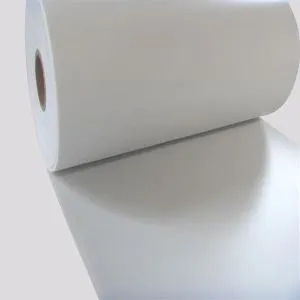
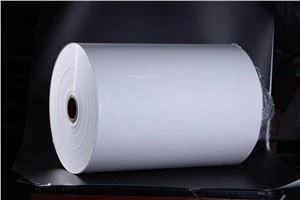
At our company, we are committed to providing our customers with the highest quality PP Insulating Plastic Sheets that meet the strictest safety and environmental standards. We offer a wide range of products, including PP Transparent Plastic Sheet Rolls, PP Transparent Plastic Sheet, and PP Plastic Sheet For Thermoforming.
If you are interested in learning more about our products or have any questions regarding the safety of PP Insulating Plastic Sheets, please feel free to contact us for a detailed discussion and potential procurement. We look forward to working with you to meet your insulation needs.
References
- U.S. Food and Drug Administration (FDA). "Food Contact Substances: Lists." Available at relevant FDA official publications.
- ISO 14001:2015 Environmental management systems - Requirements with guidance for use.
- ISO 9001:2015 Quality management systems - Requirements.