Hey there! As a supplier of PS White Conductive Sheet, I often get asked whether our product can be laminated with other materials. Today, I'm gonna dig deep into this topic and share some insights based on my experience in the industry.
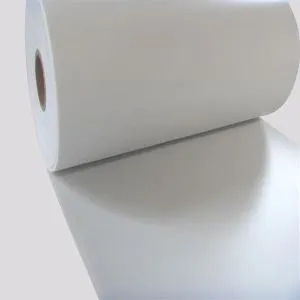
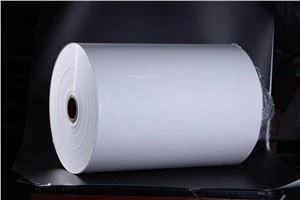
First off, let's understand what PS White Conductive Sheet is. It's a type of plastic sheet with conductive properties, which is commonly used in various industries like electronics, packaging, and automotive. The white color gives it a clean and professional look, making it suitable for applications where aesthetics matter.
Now, the big question: Can it be laminated with other materials? The short answer is yes, but it depends on a few factors.
Compatibility of Materials
One of the most crucial factors is the compatibility of the PS White Conductive Sheet with the other material you want to laminate it with. Different materials have different chemical compositions, melting points, and surface properties. For example, if you try to laminate it with a material that has a significantly different melting point, the lamination process might not work well. During the lamination process, heat is often applied to bond the materials together. If the melting point of one material is much lower than the other, the lower - melting - point material might start to deform or even burn before the proper bonding can occur.
Let's take a look at some common materials that are often considered for lamination with PS White Conductive Sheet.
ABS Thermoplastic Sheet For ESD Tray
ABS (Acrylonitrile Butadiene Styrene) is a popular thermoplastic known for its strength, toughness, and good chemical resistance. The ABS Thermoplastic Sheet For ESD Tray is specifically designed for electrostatic discharge (ESD) protection in trays. When it comes to laminating PS White Conductive Sheet with ABS, it can be a good match. Both materials are plastics, and they have relatively similar processing temperatures. This means that during the lamination process, they can be heated to a suitable temperature where they can bond together effectively. The resulting laminate can combine the conductive properties of the PS sheet with the strength and ESD - protection features of the ABS sheet, making it ideal for applications where both conductivity and durability are required, such as in electronic component packaging.
Multi - layer PS Conductive Sheet
The Multi - layer PS Conductive Sheet is another option for lamination. Since it's also made of PS (polystyrene), it has excellent compatibility with our PS White Conductive Sheet. Laminating these two sheets can create a more robust and multi - functional conductive structure. For example, the multi - layer PS sheet might have different conductive layers or additives that can enhance the overall performance of the laminate. It can be used in applications where a higher level of conductivity or a more complex conductive pattern is needed.
HIPS Anti - Static Plastic Sheet
HIPS (High - Impact Polystyrene) is a type of polystyrene with improved impact resistance. The HIPS Anti - Static Plastic Sheet is designed to prevent static electricity build - up. When laminated with our PS White Conductive Sheet, it can provide a combination of anti - static and conductive properties. The HIPS sheet can add impact resistance to the laminate, while the PS White Conductive Sheet contributes the conductivity. This laminate can be used in environments where there is a risk of static damage to sensitive electronic components and where the product needs to withstand some physical impact.
Lamination Methods
Apart from material compatibility, the lamination method also plays a vital role in determining whether the PS White Conductive Sheet can be successfully laminated with other materials. There are several lamination methods available, each with its own advantages and disadvantages.
Adhesive Lamination
Adhesive lamination involves using an adhesive to bond the PS White Conductive Sheet with the other material. This method is relatively simple and can be used for a wide range of materials. However, choosing the right adhesive is crucial. The adhesive should have good adhesion to both the PS sheet and the other material. It should also be compatible with the conductive properties of the PS sheet. Some adhesives might contain substances that could interfere with the conductivity of the sheet. For example, if the adhesive contains a high amount of insulating materials, it might reduce the overall conductivity of the laminate.
Heat Lamination
Heat lamination is another common method. In this process, heat and pressure are applied to the materials to melt and bond them together. As mentioned earlier, the melting points of the materials need to be considered. If the materials are compatible in terms of melting points, heat lamination can create a strong and durable bond. However, too much heat can damage the conductive properties of the PS White Conductive Sheet. The conductive additives in the sheet might break down or migrate under high - temperature conditions, leading to a decrease in conductivity.
Applications of Laminated PS White Conductive Sheet
The laminated PS White Conductive Sheet has a wide range of applications. In the electronics industry, it can be used for making circuit boards, ESD - protected enclosures, and shielding materials. The combination of conductivity and the properties of the other laminated material can provide better performance and protection for electronic components.
In the packaging industry, it can be used for making anti - static and conductive packaging materials. For example, laminated sheets can be used to make trays for transporting sensitive electronic parts, protecting them from static electricity and physical damage.
Quality Control
When laminating PS White Conductive Sheet with other materials, quality control is essential. After the lamination process, the laminate should be tested for various properties such as conductivity, adhesion strength, and mechanical properties. Conductivity tests can ensure that the laminate still has the required level of conductivity. Adhesion strength tests can determine whether the two materials are properly bonded together. And mechanical property tests, such as tensile strength and impact resistance tests, can assess the overall durability of the laminate.
Conclusion
So, to sum it up, PS White Conductive Sheet can be laminated with other materials, but it's important to consider material compatibility, choose the right lamination method, and perform proper quality control. Different materials like ABS Thermoplastic Sheet For ESD Tray, Multi - layer PS Conductive Sheet, and HIPS Anti - Static Plastic Sheet can be good candidates for lamination, depending on the specific application requirements.
If you're interested in our PS White Conductive Sheet and want to explore the possibilities of lamination with other materials, feel free to reach out. We can work together to find the best solution for your needs. Whether you're in the electronics, packaging, or any other industry, we're here to help you make the most of our products.
References


- Plastics Technology Handbook, Third Edition by Myers, Daniel R.
- Handbook of Thermoplastics by O. Olabisi