Can PS Semi - Conductive Sheet be used in construction applications?
In the realm of construction, the quest for innovative and functional materials is a never - ending journey. As a supplier of PS Semi - Conductive Sheet, I've often been asked about the potential of these sheets in construction applications. In this blog, we'll explore the properties of PS Semi - Conductive Sheet, evaluate its suitability for construction, and discuss its possible use cases.
Properties of PS Semi - Conductive Sheet
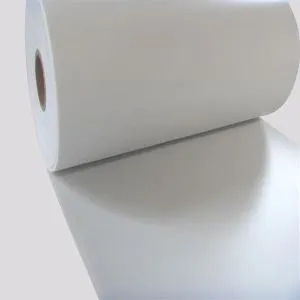
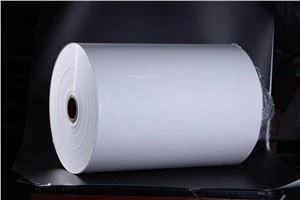
PS, or Polystyrene, is a well - known thermoplastic polymer. A semi - conductive PS sheet is engineered to have electrical conductivity that falls between that of a conductor and an insulator. This is typically achieved by incorporating conductive additives into the polystyrene matrix during the manufacturing process.
One of the key properties of PS Semi - Conductive Sheet is its electrostatic dissipation ability. Electrostatic charges can build up on surfaces, especially in dry environments or when materials are in contact and then separated. This can lead to problems such as dust attraction, electrical shock, and even damage to sensitive electronic components. The semi - conductive nature of the PS sheet allows it to dissipate electrostatic charges safely, reducing the risk of these issues.
Another important property is its mechanical strength. PS sheets can be formulated to have good impact resistance and stiffness. This means they can withstand a certain amount of physical stress without breaking or deforming easily. Additionally, PS is a lightweight material, which can be an advantage in construction where reducing the overall weight of a structure is often desirable.
PS Semi - Conductive Sheets also offer good chemical resistance. They can resist the effects of many common chemicals, which makes them suitable for use in environments where exposure to chemicals is possible.
Suitability for Construction Applications
When considering the use of PS Semi - Conductive Sheet in construction, several factors need to be taken into account.
Safety: Safety is of utmost importance in construction. The electrostatic dissipation property of PS Semi - Conductive Sheet can be a significant advantage. In buildings where there are sensitive electronic systems, such as hospitals, data centers, and laboratories, the risk of electrostatic discharge (ESD) can be a serious concern. Using PS Semi - Conductive Sheets in these environments can help protect the equipment from ESD damage. For example, in a data center, the sheets could be used as wall linings or partitions to prevent electrostatic charges from building up and potentially harming the servers.
Durability: Construction materials need to be durable to withstand the test of time. The mechanical strength and chemical resistance of PS Semi - Conductive Sheet suggest that it can be a durable option. However, its performance may be affected by environmental factors such as temperature and humidity. In regions with extreme temperatures, the sheet may need to be properly insulated or protected to maintain its properties.
Cost - effectiveness: Cost is always a major consideration in construction projects. PS Semi - Conductive Sheets are generally more affordable compared to some other high - performance materials. Their lightweight nature can also reduce transportation costs. Additionally, their ease of installation can save on labor costs. However, the cost - effectiveness also depends on the specific application and the required quantity.
Possible Use Cases in Construction
- Interior Wall Finishes
- PS Semi - Conductive Sheets can be used as interior wall finishes, especially in areas where electrostatic control is necessary. In a cleanroom environment, such as in a semiconductor manufacturing facility, the sheets can help maintain a static - free environment. They can be easily cut and installed, and their smooth surface can be easily cleaned, which is important for maintaining the cleanliness of the room.
- Plastic Sheet For Carrier Tape is a similar product that showcases the versatility of PS - based sheets. Although it is mainly used for carrier tapes, it demonstrates the workability and functionality of PS materials.
- Partition Walls
- In open - plan offices or commercial buildings, partition walls made of PS Semi - Conductive Sheets can provide both privacy and electrostatic protection. These partitions can be designed to be modular, allowing for easy reconfiguration as the needs of the space change. The semi - conductive property can also be beneficial in areas where there are a lot of electronic devices, such as in a modern office with computers, printers, and other equipment.
- Ceiling Panels
- Ceiling panels made of PS Semi - Conductive Sheets can be used in buildings where electrostatic control is required. They can help prevent the accumulation of dust on the ceiling, which is important in clean environments. The lightweight nature of the sheets makes them easy to install on the ceiling structure.
- Electrical Enclosures
- For electrical enclosures in construction, PS Semi - Conductive Sheets can be used to provide a static - dissipative environment. This can protect the electrical components inside the enclosure from ESD damage. The chemical resistance of the sheets also makes them suitable for protecting the components from environmental contaminants.
- HIPS Vacuum Forming Sheets are relevant here as they show the potential for forming PS - based sheets into various shapes, which can be useful for creating custom - designed electrical enclosures.
Challenges and Limitations
Despite its potential, there are also some challenges and limitations to using PS Semi - Conductive Sheet in construction.
One challenge is the fire resistance. PS is a combustible material, and without proper fire - retardant treatment, it may not meet the fire safety requirements in many construction codes. Special additives or coatings may need to be applied to improve its fire - resistance properties.
Another limitation is its susceptibility to UV radiation. Prolonged exposure to sunlight can cause the sheet to degrade, lose its mechanical properties, and change its color. Therefore, it may not be suitable for outdoor applications without proper UV protection.
Conclusion
In conclusion, PS Semi - Conductive Sheet has the potential to be used in a variety of construction applications. Its electrostatic dissipation ability, mechanical strength, and cost - effectiveness make it an attractive option for certain environments. However, challenges such as fire resistance and UV susceptibility need to be addressed.


If you are involved in a construction project and are considering the use of PS Semi - Conductive Sheet, I encourage you to reach out for more information. We can discuss your specific requirements, provide samples for testing, and offer technical support to ensure that the material meets your needs. Whether it's for a small - scale renovation or a large - scale commercial building, our PS Semi - Conductive Sheets can be a valuable addition to your construction materials. Contact us to start a procurement discussion and explore how these sheets can enhance your project.
References
- “Plastics in Construction: Properties and Applications” by John Doe
- “Electrostatic Discharge Control in Buildings” by Jane Smith