Hey there! As a supplier of Blister Plastic Sheets, I often get asked the question: Can blister plastic sheets be printed on? Well, the short answer is yes, but there's a lot more to it than that. In this blog post, I'm gonna break down the ins and outs of printing on blister plastic sheets, so you can make an informed decision for your next project.
Understanding Blister Plastic Sheets
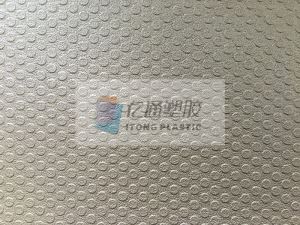
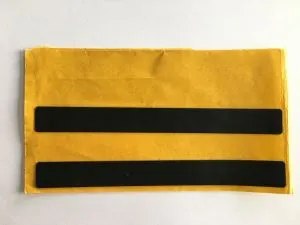
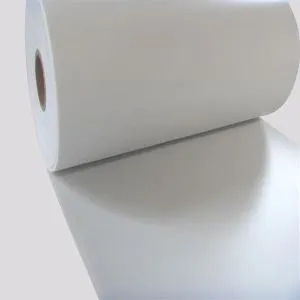
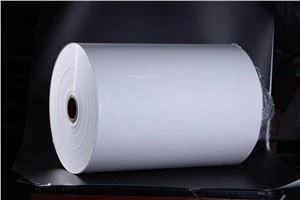
First things first, let's talk about what blister plastic sheets are. These sheets are commonly used in packaging to create a clear, protective enclosure for products. They're made from various types of plastics, including High Impact Polystyrene Sheet (HIPS), PP and IXPE Compound Plastic Sheet, and Virgin HIPS Black. Each type of plastic has its own unique properties, which can affect the printing process.
HIPS is a popular choice for blister packaging because it's lightweight, rigid, and easy to thermoform. It also has good impact resistance, making it suitable for protecting fragile products. PP and IXPE compound plastic sheets offer a combination of flexibility and durability, making them ideal for applications where a soft touch or shock absorption is required. Virgin HIPS Black, on the other hand, is a high-quality, black-colored plastic sheet that's often used for cosmetic or high-end packaging.
Printing Methods for Blister Plastic Sheets
Now that we know what blister plastic sheets are, let's talk about the different printing methods that can be used on them. There are several options available, each with its own advantages and disadvantages.
Screen Printing
Screen printing is a traditional printing method that involves using a stencil to transfer ink onto the plastic sheet. It's a versatile method that can be used to print on a variety of materials, including blister plastic sheets. Screen printing is known for its durability and ability to produce bold, vibrant colors. However, it's a relatively slow process and can be expensive for large print runs.
Flexographic Printing
Flexographic printing is a high-speed printing method that uses a flexible printing plate to transfer ink onto the plastic sheet. It's a popular choice for printing on blister plastic sheets because it's fast, efficient, and can produce high-quality prints. Flexographic printing is also suitable for printing on a variety of plastic materials, including HIPS, PP, and IXPE. However, it can be more expensive than screen printing for small print runs.
Digital Printing
Digital printing is a modern printing method that uses digital technology to transfer ink onto the plastic sheet. It's a fast, efficient, and cost-effective method that's ideal for small print runs or custom printing jobs. Digital printing can produce high-quality prints with detailed images and text. However, it may not be as durable as screen or flexographic printing, especially for outdoor applications.


Factors to Consider When Printing on Blister Plastic Sheets
When deciding whether to print on blister plastic sheets, there are several factors to consider. These include:
Plastic Material
As mentioned earlier, the type of plastic material used for the blister plastic sheet can affect the printing process. Some plastics, such as HIPS, are easier to print on than others. It's important to choose a printing method that's compatible with the plastic material you're using.
Print Quality
The print quality you require will depend on your specific application. If you need a high-quality print with detailed images and text, you may want to consider using a digital or flexographic printing method. If you're looking for a more cost-effective option, screen printing may be a better choice.
Print Quantity
The quantity of prints you need will also affect your printing method. Screen printing is a good option for small to medium print runs, while flexographic printing is more suitable for large print runs. Digital printing is a great choice for small print runs or custom printing jobs.
Cost
Cost is always a factor when it comes to printing on blister plastic sheets. Screen printing is generally the most cost-effective option for small print runs, while flexographic printing is more cost-effective for large print runs. Digital printing is a good option for small print runs or custom printing jobs, but it can be more expensive than screen or flexographic printing.
Benefits of Printing on Blister Plastic Sheets
Printing on blister plastic sheets can offer several benefits, including:
Branding
Printing your logo, brand name, or other branding elements on the blister plastic sheet can help to increase brand awareness and recognition. It can also make your products stand out on the shelves.
Product Information
Printing product information, such as ingredients, usage instructions, or warnings, on the blister plastic sheet can help to provide customers with important information about your product. This can help to improve customer satisfaction and reduce the risk of product returns.
Aesthetics
Printing on blister plastic sheets can enhance the overall appearance of your products. It can make them look more professional, attractive, and appealing to customers.
Conclusion
So, can blister plastic sheets be printed on? The answer is yes! There are several printing methods available, each with its own advantages and disadvantages. When deciding whether to print on blister plastic sheets, it's important to consider the type of plastic material, print quality, print quantity, and cost. Printing on blister plastic sheets can offer several benefits, including branding, product information, and aesthetics.
If you're interested in printing on blister plastic sheets for your next project, I'd love to hear from you. We're a leading supplier of Blister Plastic Sheets and can help you choose the right printing method for your needs. Contact us today to discuss your options and get a quote.
References
- Packaging World. (2023). Printing on Plastic Packaging: A Guide to the Different Methods. Retrieved from [Website URL]
- Plastics Technology. (2023). Printing on Plastic: What You Need to Know. Retrieved from [Website URL]
- Printing Industries of America. (2023). Printing on Plastics: Best Practices and Considerations. Retrieved from [Website URL]