Hey there! As a supplier of ESD HIPS Black Sheet, I often get asked if there are different grades of this product. Well, the short answer is yes, and in this blog, I'm gonna break it down for you.
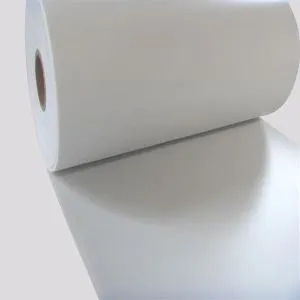
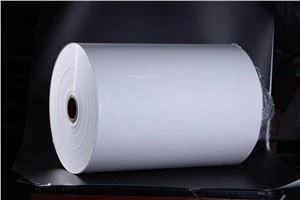
First off, let's quickly go over what ESD HIPS Black Sheet is. ESD stands for Electrostatic Discharge. In simple terms, this type of sheet is designed to prevent the build - up and sudden release of static electricity. HIPS, or High Impact Polystyrene, is a tough and durable plastic material, and the black color can be useful in many applications where light - blocking or a specific aesthetic is needed. You can find more details about ESD HIPS Black Sheet.
Different Grades of ESD HIPS Black Sheet
The grades of ESD HIPS Black Sheet mainly differ based on their electrical properties, physical characteristics, and intended applications.

Electrical Property Grades
One of the most important factors when it comes to ESD materials is their electrical conductivity. We can generally divide ESD HIPS Black Sheet into three main electrical grades: conductive, static - dissipative, and antistatic.
- Conductive Grade: Sheets in this grade have very low electrical resistance. They can quickly transfer static charges to the ground, making them ideal for applications where a rapid discharge of static electricity is required. For example, in the electronics manufacturing industry, when handling sensitive electronic components, conductive ESD HIPS Black Sheet can protect these components from electrostatic damage. If you touch a conductive ESD HIPS Black Sheet, the static charge on your body will be quickly drained away, just like touching a metal object.
- Static - Dissipative Grade: Static - dissipative ESD HIPS Black Sheet has a higher resistance than the conductive grade. Instead of a rapid discharge, it allows static charges to dissipate slowly. This is useful in situations where a sudden discharge could damage the product but a certain level of static control is still necessary. Many cleanrooms use static - dissipative ESD HIPS Black Sheet for work surfaces to prevent the build - up of static without causing any sudden electrical shocks. You can check out HIPS Disspative Plastic Sheet for more info on this type.
- Antistatic Grade: Antistatic ESD HIPS Black Sheet has the highest resistance among these three grades. It mainly reduces the generation of static charges on the surface of the sheet. For example, in the packaging industry, antistatic ESD HIPS Black Sheet can be used to make boxes for consumer electronics. This helps prevent dust and debris from sticking to the packaging due to static electricity, keeping the products clean and presentable. You might also be interested in PS Natural Anitstatic which has similar antistatic properties.
Physical Characteristic Grades
Apart from electrical properties, the physical characteristics of ESD HIPS Black Sheet can also vary, leading to different grades.
- Thickness Grade: ESD HIPS Black Sheet comes in different thicknesses. Thicker sheets are generally more durable and can withstand more physical stress. For heavy - duty applications, like in industrial machinery where the sheet might be subject to impacts or abrasions, a thicker grade of ESD HIPS Black Sheet is preferred. On the other hand, thinner sheets are more flexible and can be used in applications where flexibility is required, such as in some custom - shaped packaging.
- Strength Grade: The strength of ESD HIPS Black Sheet can vary based on the manufacturing process and additives used. High - strength grades are designed to resist breakage and deformation. If you're using the sheet in an environment where it will be bent, folded, or stretched, a high - strength grade is a must. For example, in the automotive industry, where parts need to withstand vibrations and mechanical forces, high - strength ESD HIPS Black Sheet can be used.
Applications Based on Grades
The choice of grade depends on the specific application.
Electronics Industry
In the electronics industry, conductive and static - dissipative grades are the most commonly used. When manufacturing printed circuit boards (PCBs), conductive ESD HIPS Black Sheet can be used as a work surface to ensure that any static charges on the workers' hands or tools are quickly removed. Static - dissipative sheets are often used in storage containers for electronic components. These containers slowly dissipate static charges, protecting the delicate components from damage.
Packaging Industry
The packaging industry uses a variety of ESD HIPS Black Sheet grades. Antistatic and static - dissipative grades are popular for packaging consumer electronics, as mentioned earlier. The antistatic grade can prevent dust from sticking to the packaging, while the static - dissipative grade can protect the product inside from electrostatic damage during transportation and storage.
Medical Industry
In the medical industry, ESD HIPS Black Sheet is used in some medical device manufacturing and packaging. Static - dissipative grades are often preferred as they can prevent static - related issues without interfering with the sensitive electronic or mechanical components of medical devices.
How to Choose the Right Grade
Choosing the right grade of ESD HIPS Black Sheet can be a bit tricky, but here are some tips to help you out.
Assess Your Application Requirements
First, think about what your application needs. If you're in an environment where sensitive electronic components are handled, you'll probably need a conductive or static - dissipative grade. If it's mainly for preventing dust on the surface, an antistatic grade might be sufficient.
Consider Physical Conditions
Look at the physical environment where the ESD HIPS Black Sheet will be used. If it will be exposed to high temperatures, you need to choose a grade that can withstand those temperatures without losing its ESD properties. Similarly, if it will be subject to mechanical stress, a high - strength grade is necessary.
Budget Constraints
Of course, your budget also plays a role. Conductive grades are usually more expensive than antistatic grades due to their better electrical performance. You need to find a balance between the required properties and your budget.
Conclusion
So, as you can see, there are definitely different grades of ESD HIPS Black Sheet, each with its own unique properties and applications. Whether you're in the electronics, packaging, medical, or any other industry that requires ESD protection, choosing the right grade is crucial to ensure the safety and quality of your products.
If you're interested in purchasing ESD HIPS Black Sheet and need help in choosing the right grade for your application, feel free to reach out to us. We're here to assist you in making the best decision for your business. Contact us to start a procurement discussion and find the perfect ESD HIPS Black Sheet for your needs.
References
- "Plastic Materials Handbook" by John Murphy
- Industry standards and guidelines for ESD materials from relevant trade organizations.