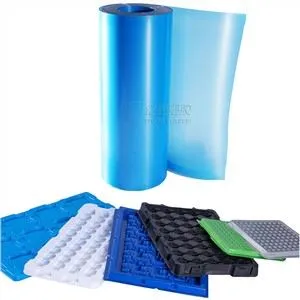
When it comes to the electronics packaging industry, PS carrier tape material is a popular choice due to its excellent formability, clarity, and cost - effectiveness. As a leading PS carrier tape material supplier, we understand the importance of ensuring compatibility when combining PS carrier tape material with other materials. This blog will explore strategies and best practices to achieve seamless material compatibility.
Understanding PS Carrier Tape Material
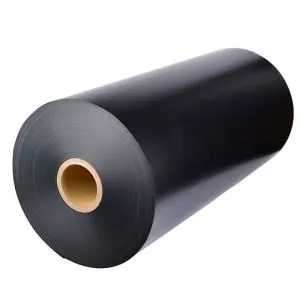
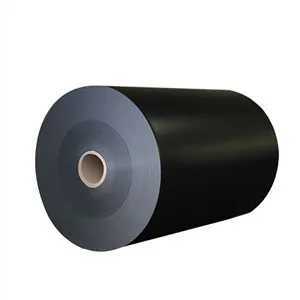
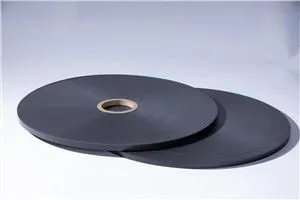
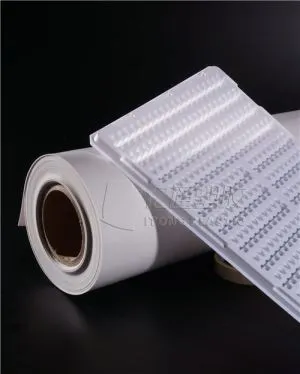
PS (Polystyrene) carrier tape material is widely used in the packaging of electronic components. There are different types of PS carrier tape materials available, such as Conductive PS Carrier Tape Material, Anti - Static Carrier Tape Material, and PS Transparent Carrier Tape Material. Each type has unique properties that make it suitable for specific applications.
Conductive PS carrier tape material is designed to prevent electrostatic discharge (ESD), which can damage sensitive electronic components. Anti - static carrier tape material reduces the build - up of static electricity, protecting components during handling and transportation. PS transparent carrier tape material offers high clarity, allowing for easy visual inspection of the packaged components.
Factors Affecting Compatibility
Physical Properties
Temperature Resistance: Different materials have different temperature resistance capabilities. For example, if you combine PS carrier tape material with a heat - sensitive adhesive cover tape, the PS needs to withstand the temperature during the sealing process without deforming. If the temperature is too high, the PS carrier tape may warp, affecting the integrity of the package.
Mechanical Strength: The mechanical strength of the materials is also crucial. When the carrier tape is subjected to stress during the pick - and - place process of electronic components, both the PS carrier tape and the combined material should have sufficient strength to avoid breakage or delamination.
Chemical Properties
Chemical Inertness: PS carrier tape material is generally chemically inert. However, when combined with other materials, there is a risk of chemical reactions. For instance, if the cover tape contains chemicals that can dissolve or react with PS, it can lead to degradation of the carrier tape and potential damage to the packaged components.
Surface Energy: The surface energy of the materials affects their adhesion. PS has a relatively low surface energy, which may result in poor adhesion to some materials. To improve adhesion, surface treatments may be required.
Strategies for Ensuring Compatibility
Material Selection
Similar Material Families: It is often a good idea to choose materials from the same or similar polymer families. For example, combining PS carrier tape with other styrenic polymers may result in better compatibility due to their similar chemical structures. These polymers have comparable physical and chemical properties, reducing the risk of incompatibility issues.
Compatibility Testing: Before mass - production, conduct comprehensive compatibility tests. This includes testing for adhesion strength, chemical reactions, and performance under different environmental conditions. We, as a PS carrier tape material supplier, can provide samples for customers to conduct these tests. By simulating real - world scenarios, such as high - temperature storage, humidity exposure, and mechanical stress, you can identify potential compatibility problems early.
Surface Treatment
Corona Treatment: Corona treatment is a common method to increase the surface energy of PS carrier tape material. By exposing the surface of the PS to a high - voltage corona discharge, the surface chemistry is modified, making it more receptive to adhesives. This can significantly improve the adhesion between the PS carrier tape and other materials, such as cover tapes.


Primer Coating: Applying a primer coating to the surface of the PS carrier tape can also enhance compatibility. The primer acts as an intermediate layer between the PS and the second material, promoting better adhesion and reducing the risk of chemical reactions.
Process Optimization
Sealing Parameters: When sealing the PS carrier tape with a cover tape, it is essential to optimize the sealing parameters, such as temperature, pressure, and sealing time. Incorrect sealing parameters can lead to poor adhesion, leakage, or damage to the PS carrier tape. By conducting experiments and adjusting these parameters, you can ensure a reliable and secure seal.
Assembly Conditions: The environmental conditions during the assembly process can also affect compatibility. For example, working in a cleanroom environment with controlled temperature and humidity can minimize the impact of dust, moisture, and other contaminants on the materials. This helps to maintain the integrity of the combined materials and ensures the quality of the final product.
Case Studies
Case 1: Conductive PS Carrier Tape with Holographic Cover Tape
A customer was using our Conductive PS Carrier Tape Material to package electronic connectors and wanted to use a holographic cover tape for marketing purposes. The initial test showed poor adhesion between the two materials. After conducting surface treatment on the PS carrier tape using corona treatment and optimizing the sealing parameters, the adhesion was significantly improved, and the package met the customer's requirements.
Case 2: Anti - Static Carrier Tape with a Heat - Sealable Adhesive Cover
In another case, a customer needed to combine our Anti - Static Carrier Tape Material with a heat - sealable adhesive cover for packaging sensitive microchips. Compatibility testing revealed that the high - temperature sealing process was causing the anti - static properties of the carrier tape to degrade. By adjusting the temperature and sealing time and using a primer coating on the carrier tape, the issue was resolved, and the package maintained its anti - static performance.
Conclusion and Call to Action
Ensuring compatibility when combining PS carrier tape material with other materials is a complex but achievable task. By understanding the physical and chemical properties of the materials, using proper material selection techniques, applying surface treatments, and optimizing the process parameters, you can achieve high - quality and reliable packaging solutions.
As a professional PS carrier tape material supplier, we are committed to providing high - quality products and technical support. If you are interested in our PS carrier tape materials or have any questions about material compatibility, please contact us for purchase negotiation. We look forward to working with you to meet your electronic packaging needs.
References
- Sperling, L. H. (2006). Introduction to Physical Polymer Science. Wiley.
- Rothon, R. N. (Ed.). (2003). Polymer Surfaces and Interfaces II. Wiley.
- Gaylord, N. G., & Rosenzweig, A. (Eds.). (1988). Polystyrene: Science and Technology. Wiley.